

Operation Process and Working Principle of Clay Ash Pneumatic Conveying
Clay ash, as a byproduct from industrial processes such as power generation and manufacturing, requires efficient handling and transportation. Pneumatic conveying systems offer a reliable solution for moving clay ash from its source to processing or disposal sites. Understanding the operation process and working principle of clay ash pneumatic conveying is crucial for optimizing material handling efficiency and ensuring operational safety.
Company Introduction
HeadPowder, a leading provider in the field, specializes in engineering solutions for material handling. With a strong presence in Shandong, China, the company has built a reputation for delivering high-quality pneumatic conveying systems tailored to the needs of industrial clients. The company's expertise lies in designing and implementing systems that enhance productivity while maintaining compliance with industry standards.
Overview of Clay Ash Pneumatic Conveying
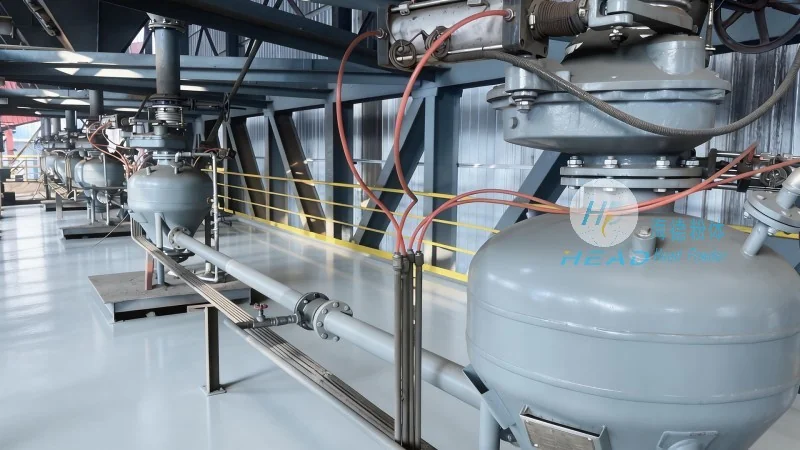
Pneumatic conveying of clay ash involves the use of air to transport the material through a pipeline system. This method eliminates the need for mechanical components like belts or buckets, reducing maintenance requirements and operational costs. The process typically includes several key components: a material feeder, a blower or air compressor, a pipeline network, and a discharge unit. Each component plays a vital role in ensuring the smooth and efficient movement of clay ash.
Operation Process of Clay Ash Pneumatic Conveying
The operation process of clay ash pneumatic conveying begins with the feeding of clay ash into the system. A feeder, such as a rotary valve or a screw feeder, controls the flow rate of the material into the pipeline. Simultaneously, the blower generates a high-pressure air stream that propels the clay ash particles through the pipeline. The air and material mixture travels through the pipeline network, which may include bends, elbows, and expansion joints designed to handle the material's characteristics. At the discharge end, the air and material are separated, with the clay ash collected in a hopper or storage container. The air is then filtered and released back into the environment, ensuring compliance with air quality regulations.
Working Principle of Clay Ash Pneumatic Conveying
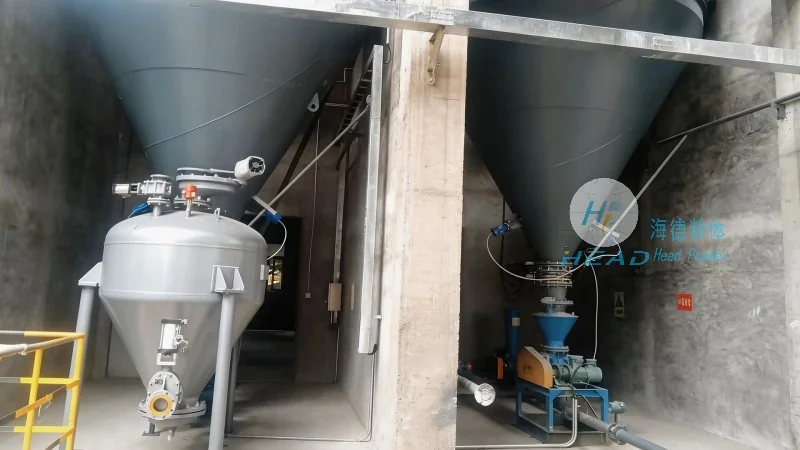
The working principle of clay ash pneumatic conveying is based on the principles of fluid dynamics and particle transport. The system relies on the momentum of the air stream to carry the clay ash particles. The air velocity must be sufficient to overcome the gravitational force and any frictional resistance within the pipeline. The design of the system, including the size of the pipeline, the type of blower, and the feeding mechanism, is critical to achieving optimal conveying efficiency. Factors such as the particle size, density, and moisture content of the clay ash also influence the system's performance, requiring careful consideration during the design phase.
Key Components and Their Functions
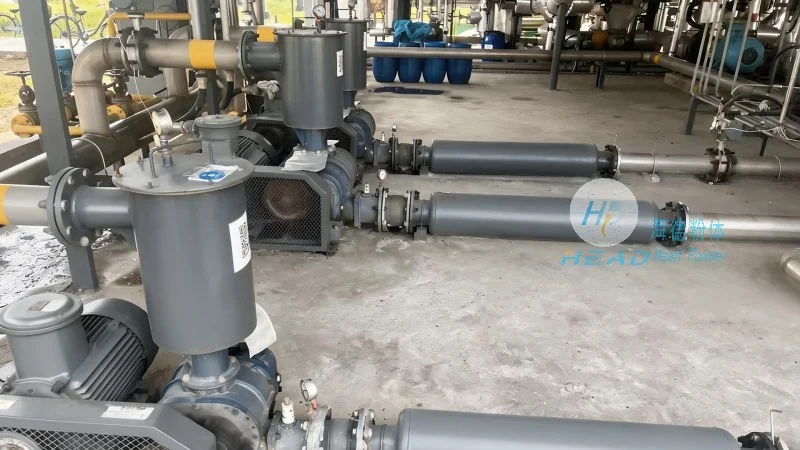
Several key components are integral to the clay ash pneumatic conveying system. The material feeder, often a rotary valve or a screw feeder, ensures a consistent and controlled flow of clay ash into the pipeline. The feeder prevents blockages and maintains the desired flow rate, which is essential for stable operation. The blower or air compressor provides the necessary air pressure and volume to move the material. Different types of blowers, such as rotary lobe or centrifugal blowers, are used depending on the system's requirements and the material's characteristics. The pipeline network connects the feeder to the discharge point and may include various fittings to direct the flow. The discharge unit, typically a cyclone separator or a filter, separates the clay ash from the air stream, allowing the material to be collected and the air to be cleaned before release.
Advantages of Pneumatic Conveying for Clay Ash
Pneumatic conveying offers several advantages over traditional mechanical methods for handling clay ash. One of the primary benefits is the elimination of mechanical wear and tear, as there are no moving parts in direct contact with the material. This reduces maintenance costs and extends the system's lifespan. Additionally, pneumatic systems can handle a wide range of particle sizes and moisture contents, making them versatile for various industrial applications. The enclosed pipeline system also minimizes dust emissions, improving workplace safety and environmental compliance. Furthermore, the system's flexibility allows for easy integration with existing industrial processes, enabling seamless material transfer without significant modifications to the facility.
Challenges and Mitigation Strategies
While pneumatic conveying is an efficient method, it also presents certain challenges that need to be addressed. One common issue is the buildup of material in the pipeline, which can lead to blockages and system downtime. This can be mitigated by using appropriate feeding mechanisms and maintaining the air velocity at optimal levels. Another challenge is the wear and tear on the pipeline and fittings due to abrasive clay ash particles. Using high-quality materials, such as stainless steel or special coatings, can help reduce wear and extend the system's lifespan. Additionally, ensuring proper air filtration is crucial to prevent dust accumulation and maintain air quality standards. Regular maintenance and monitoring of the system's performance are essential to identify and address any issues before they escalate.
Application Examples in Industrial Settings
Clay ash pneumatic conveying systems are widely used in various industrial settings, including power plants, cement factories, and manufacturing facilities. In power plants, the system is used to transport fly ash from the boiler to storage silos or disposal sites. The high-volume and high-speed nature of the process requires robust and reliable equipment to handle the large quantities of ash. In cement factories, the system is used to convey raw materials and finished products, improving the overall efficiency of the production line. The versatility of the system allows it to be adapted to different applications, making it a valuable asset in industrial material handling.
Conclusion
Clay ash pneumatic conveying is a highly effective method for handling and transporting clay ash, offering numerous advantages over traditional mechanical systems. The operation process involves a series of coordinated steps, from material feeding to air separation, ensuring efficient and safe material transfer. The working principle relies on the principles of fluid dynamics and particle transport, requiring careful design and optimization to achieve the best results. With the expertise of companies like Shandong HeadPowder Engineering Co., Ltd., industrial clients can benefit from reliable and efficient pneumatic conveying systems that enhance productivity and compliance with industry standards. As industrial processes continue to evolve, the importance of efficient material handling solutions like pneumatic conveying will only grow, making it a critical component in modern industrial operations.