Coconut shell powder, a widely used material in various industrial applications, often requires efficient and reliable transport methods to ensure smooth production processes. Pneumatic conveying, as a key technology in material handling, offers an effective solution for transporting coconut shell powder from one location to another. This article delves into the operation process and working principle of pneumatic conveying systems specifically designed for coconut shell powder, highlighting the technical aspects and practical applications.
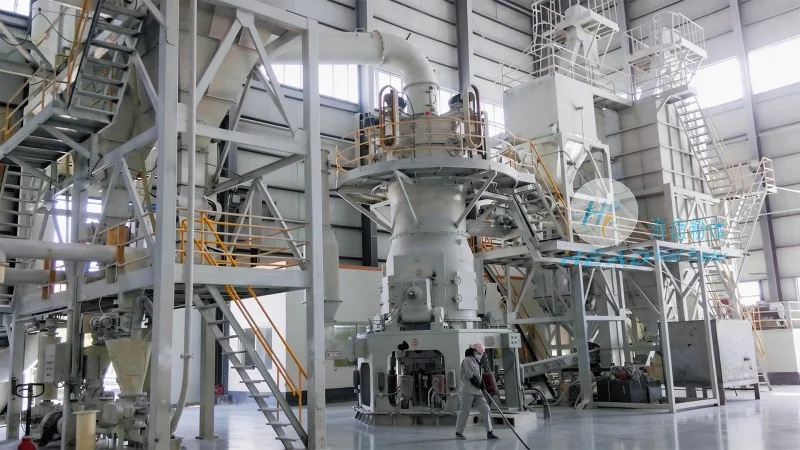
Understanding Pneumatic Conveying Systems for Coconut Shell Powder
Pneumatic conveying systems utilize air or gas to transport bulk materials like coconut shell powder through a pipeline network. These systems are particularly advantageous for handling fine powders, as they minimize product degradation and contamination compared to traditional mechanical conveying methods. The core components of a typical pneumatic conveying system include a material hopper, a feeder, a conveying line, a dust collector, and a discharge point. Each component plays a crucial role in the overall operation, ensuring efficient and safe material transport.
The Working Principle of Pneumatic Conveying for Coconut Shell Powder
The fundamental principle behind pneumatic conveying is the creation of a pressure differential within the conveying line. By generating a high-pressure air stream, the system can lift and move the coconut shell powder particles through the pipeline. The process typically involves two main modes: dilute-phase and dense-phase conveying. Dilute-phase conveying uses low air velocities to transport the powder in a dispersed state, while dense-phase conveying employs higher air velocities to move the powder in a more compacted form, reducing the risk of product degradation and blockages.
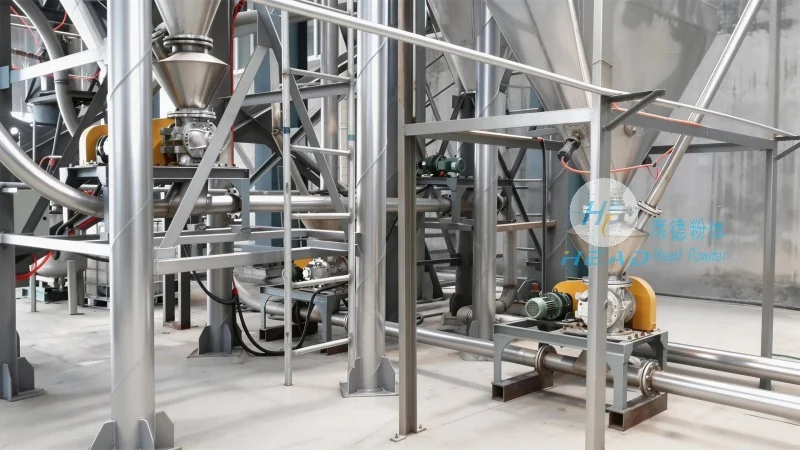
Key Components and Their Functions in the System
The material hopper serves as the storage and feeding unit, holding the coconut shell powder and regulating the flow rate into the system. The feeder, often a rotary valve or a screw feeder, controls the amount of powder released into the conveying line, ensuring a consistent and controlled feed. The conveying line, made of materials resistant to abrasion and corrosion, transports the powder and air mixture. The dust collector, equipped with filtration systems, captures any airborne particles, maintaining air quality and preventing environmental contamination. The discharge point, where the powder is released from the system, is designed to handle the material safely and efficiently.
The Operation Process of a Coconut Shell Powder Pneumatic Conveying System
The operation process begins with the loading of coconut shell powder into the material hopper. The feeder then regulates the powder flow into the conveying line, where it is mixed with high-pressure air. The air stream lifts the powder particles and propels them through the pipeline to the discharge point. The dust collector continuously removes any fine particles from the air stream, ensuring clean air is released back into the environment. Throughout the process, the system maintains a stable pressure and flow rate, optimizing the transport efficiency and minimizing energy consumption.
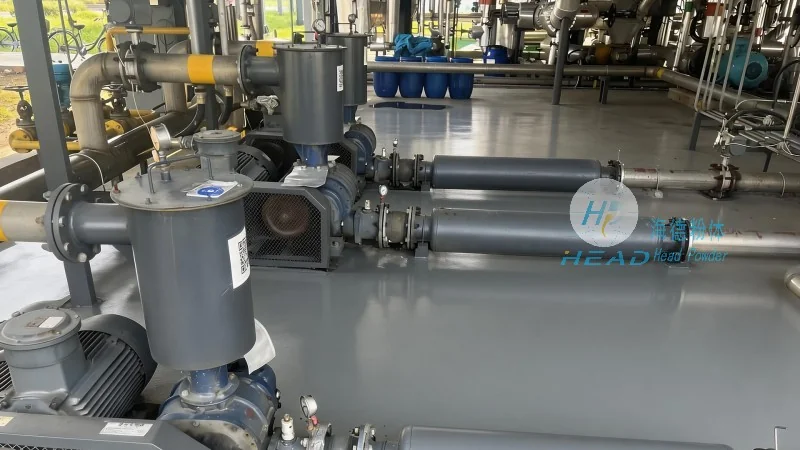
Advantages of Pneumatic Conveying for Coconut Shell Powder Handling
Pneumatic conveying systems offer several advantages when handling coconut shell powder. These include reduced product contamination, as the material is enclosed within the pipeline, preventing exposure to external elements. The system also minimizes material degradation due to the gentle handling of the powder particles. Additionally, pneumatic conveying allows for flexible and compact system layouts, as the pipeline can be arranged in various configurations to suit the production facility's layout. The technology also provides better control over the material flow rate, ensuring consistent production processes.
Applications and Industries Using Coconut Shell Powder Pneumatic Conveying
Coconut shell powder is utilized in various industries, including cosmetics, food processing, and animal feed. Pneumatic conveying systems are essential in these industries for transporting the powder efficiently and safely. For example, in the cosmetics industry, the powder is used in skincare products, and the conveying system ensures that the powder is handled without contamination, maintaining product quality. In the food processing industry, the powder is used as an ingredient in various food products, and the system ensures that the powder is transported hygienically, meeting food safety standards. In the animal feed industry, the powder is used as a nutritional supplement, and the conveying system ensures that the powder is delivered to the feed production line without any loss or contamination.
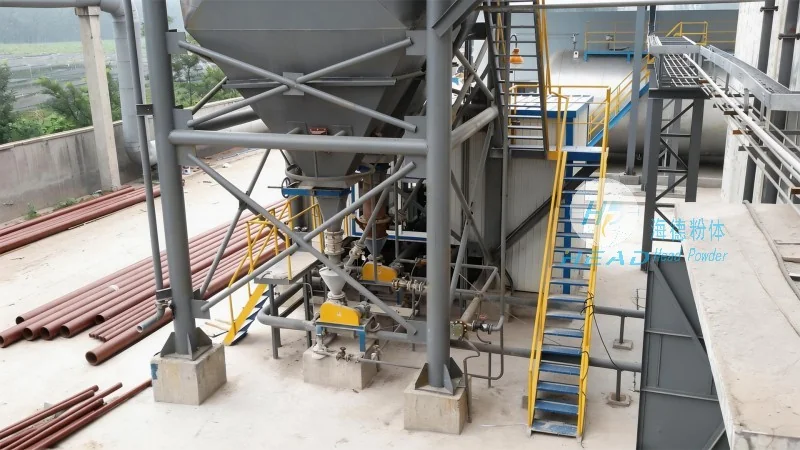
Maintenance and Troubleshooting for Pneumatic Conveying Systems
To ensure the efficient operation of a pneumatic conveying system for coconut shell powder, regular maintenance is crucial. This includes cleaning the conveying line and dust collector to prevent clogging and ensure optimal performance. The feeder and hopper should also be inspected regularly to ensure they are functioning correctly and not causing any blockages. Troubleshooting common issues such as air leaks, pressure drops, or material buildup is essential to maintain the system's efficiency. By addressing these issues promptly, the system can continue to operate effectively, minimizing downtime and maximizing productivity.
Conclusion: The Importance of Efficient Pneumatic Conveying for Coconut Shell Powder
Pneumatic conveying systems are a critical technology for handling coconut shell powder in various industrial applications. The operation process and working principle of these systems ensure efficient and safe transport of the material, minimizing product degradation and contamination. The advantages of pneumatic conveying, including reduced contamination and flexible system layouts, make it an ideal solution for industries relying on coconut shell powder. By understanding the key components and operation process, industries can optimize their material handling processes, improving overall productivity and product quality. As a leading provider of engineering solutions, Shandong HeadPowder Engineering Co., Ltd. specializes in designing and manufacturing pneumatic conveying systems tailored to the specific needs of coconut shell powder handling, ensuring reliable and efficient material transport for its clients.




