

Operation Process and Working Principle of Potato Starch Pneumatic Conveying
At Shandong HeadPowder Engineering Co., Ltd., we specialize in the design and implementation of advanced pneumatic conveying systems tailored for the handling of potato starch. This article delves into the operational process and underlying principles of such systems, providing a comprehensive understanding of how they efficiently transport potato starch from one location to another.
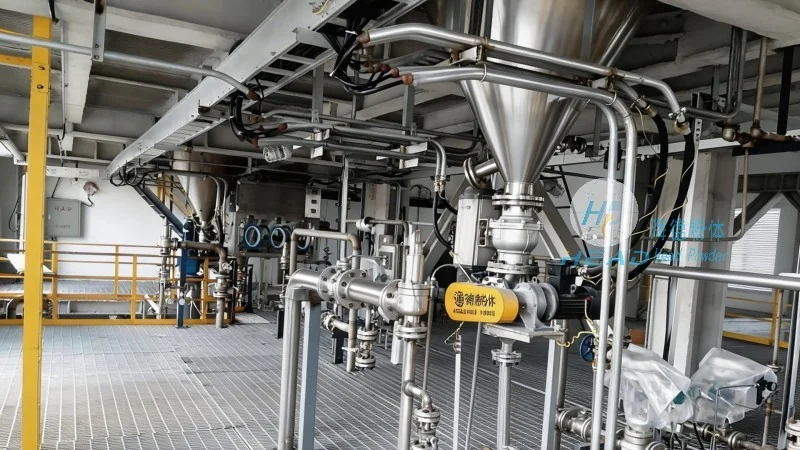
Working Principle of Pneumatic Conveying for Potato Starch
The core mechanism of a pneumatic conveying system involves the use of compressed air to move bulk materials like potato starch through a pipeline. The process typically begins with the material being fed into a hopper or feeder, where it is then introduced into the conveying line. Compressed air, generated by a blower or compressor, is introduced at one end of the pipeline, creating a pressure differential that propels the starch particles forward. The design of the system, including the type of air flow (e.g., dilute phase or dense phase), determines the efficiency and capacity of the conveying operation. For potato starch, which is a fine powder, dilute phase conveying is often preferred due to its ability to handle high material volumes with minimal pressure drop and reduced risk of blockages.
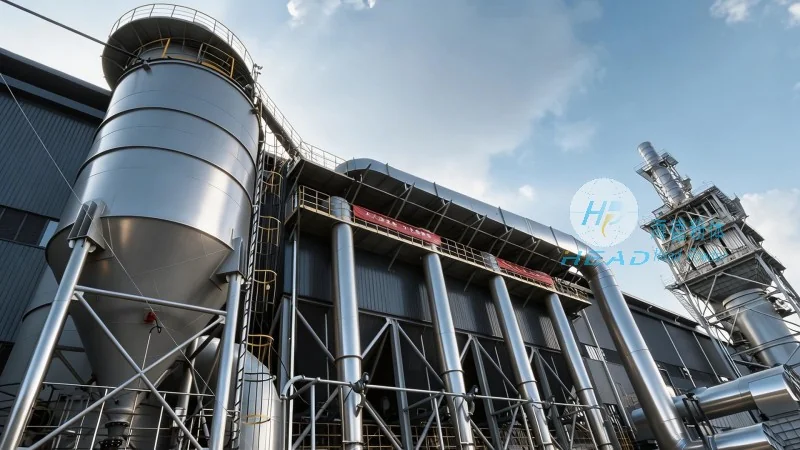
Step-by-Step Operation Process of Potato Starch Pneumatic Conveying
The operational process of a potato starch pneumatic conveying system can be broken down into several key stages, each critical to ensuring smooth and efficient material transport. The first stage involves material preparation, where raw potato starch is stored in a silo or storage bin. From there, the starch is transferred to the feeding hopper via a screw conveyor or other bulk material handling equipment. The feeding hopper is equipped with a metering device, such as a rotary valve or a variable speed feeder, which controls the flow rate of the starch into the conveying line. This controlled feeding is essential to maintain a consistent pressure and flow within the system, preventing overloading or underloading of the pipeline.
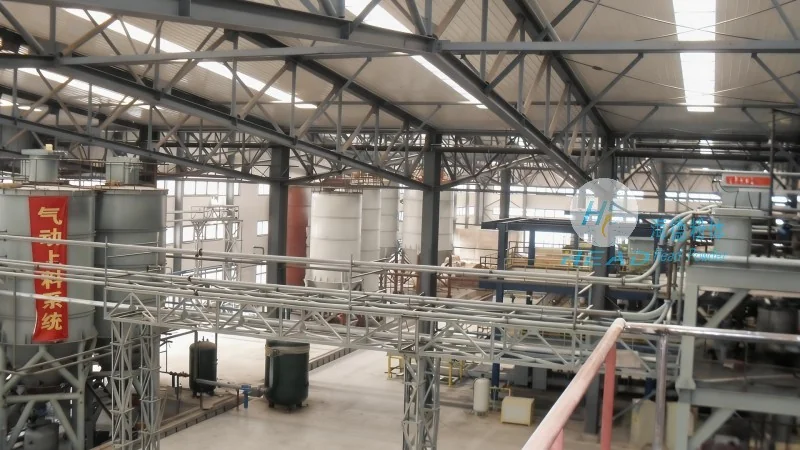
Once the starch enters the conveying line, the compressed air is introduced at the inlet. The air and starch particles mix and travel through the pipeline, with the air velocity maintained above the minimum required to keep the particles suspended. The pipeline is typically designed with appropriate bends and fittings to minimize pressure loss and ensure the material reaches the destination without clogging. At the receiving end, the starch is deposited into a storage tank or processing unit. The system may also include a dust collection system to capture any airborne particles and ensure environmental compliance.
Key Components and Their Roles in the System
Several key components work in tandem to ensure the efficient operation of a potato starch pneumatic conveying system. The blower or compressor provides the necessary compressed air, with the choice of equipment depending on the system's capacity and the material's properties. The feeding hopper and metering device regulate the material flow, ensuring a consistent feed rate. The conveying pipeline, often made of stainless steel or other corrosion-resistant materials, is designed to handle the abrasive nature of potato starch and prevent material buildup. Additionally, the system may include a filter or cyclone to separate any fine particles from the air stream, maintaining air quality and preventing contamination.
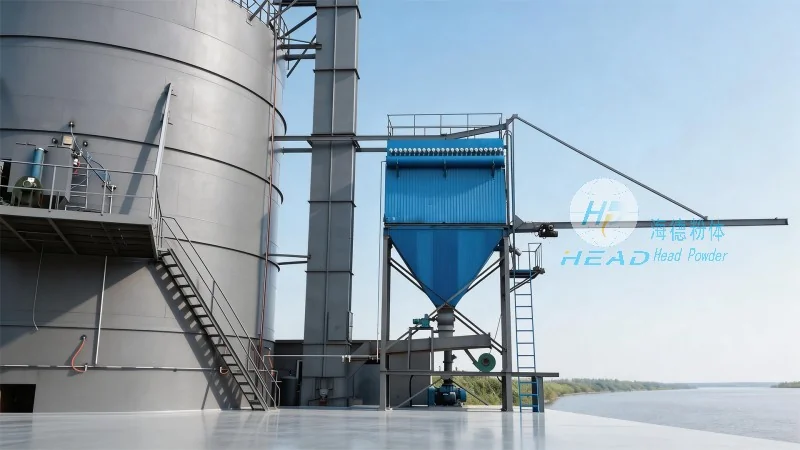
Advantages of Pneumatic Conveying for Potato Starch Handling
Pneumatic conveying systems offer several advantages over traditional mechanical conveying methods for potato starch. These include reduced labor costs due to automated material handling, improved safety by minimizing manual handling of powders, and enhanced hygiene by keeping the material contained within the system. The ability to transport potato starch over long distances without the need for intermediate storage or transfer points also contributes to operational efficiency. Furthermore, the system's flexibility allows for easy integration with other processing equipment, such as drying or packaging units, streamlining the overall production process.