

[CMPARISON OF COMMON STYRENE TRANSPORT METHODS: ADVANTAGES AND DISADVANTAGES]
Styrene, a vital chemical intermediate widely utilized in the production of polystyrene and other polymers, necessitates efficient and secure transportation methods to meet industrial demands. The selection of a transport method significantly impacts operational efficiency, cost, and safety. This article provides a detailed comparison of common styrene transport methods, highlighting their advantages and disadvantages, to assist industries in choosing the most suitable option for their operational requirements.
Overview of Styrene Transportation
Styrene is typically transported in bulk quantities, often as a liquid at ambient temperatures. The primary methods include pipeline transport, road tankers, and rail tank cars. Each method possesses unique characteristics that influence its applicability in different scenarios. Understanding these aspects is crucial for optimizing supply chain logistics and ensuring compliance with safety regulations.
Pipeline Transport: The Most Efficient Bulk Method
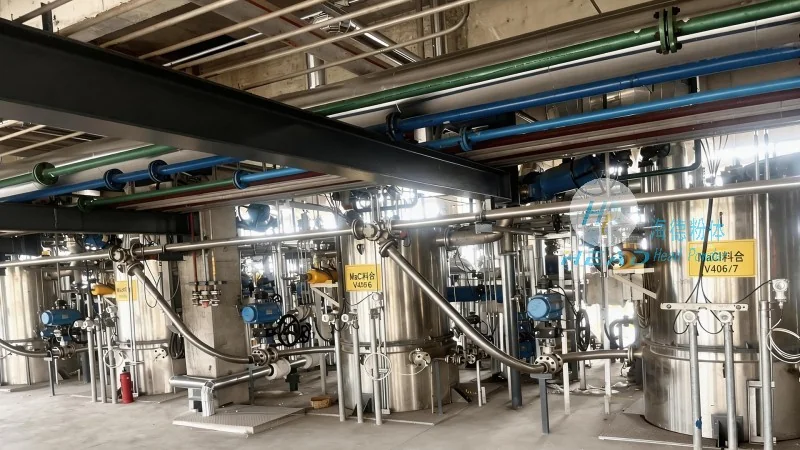
Pipeline transport is the most efficient and cost-effective method for large-scale, long-distance styrene movement. It involves pumping the liquid through an underground network of pipelines, which minimizes the need for intermediate storage and handling. This method offers several advantages, including continuous operation, reduced labor costs, and lower risk of product loss or contamination compared to road or rail transport. However, pipeline infrastructure requires substantial upfront investment and is limited to areas with existing pipeline networks. Additionally, maintenance and repair of pipelines can be challenging and costly, especially in remote or difficult-to-access locations.
Road Tanker Transport: Flexibility and Accessibility
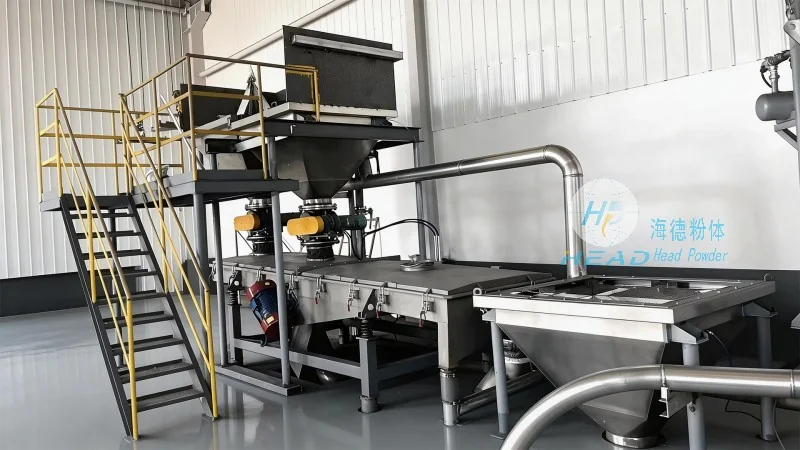
Road tanker transport is a flexible and widely used method for transporting styrene over medium to short distances. It involves using specialized tank trucks equipped with pressure relief systems and temperature control features to ensure safe handling of the liquid. This method offers advantages such as easy access to various locations, including remote or industrial sites, and the ability to adjust delivery schedules based on customer needs. Road transport is particularly suitable for smaller volumes or when pipeline infrastructure is unavailable. However, it has limitations, including higher fuel costs, potential traffic delays, and stricter regulations regarding driver hours and vehicle maintenance. Additionally, road transport may be less cost-effective for very large volumes compared to pipelines.
Rail Tank Car Transport: Cost-Effective for Long Distances
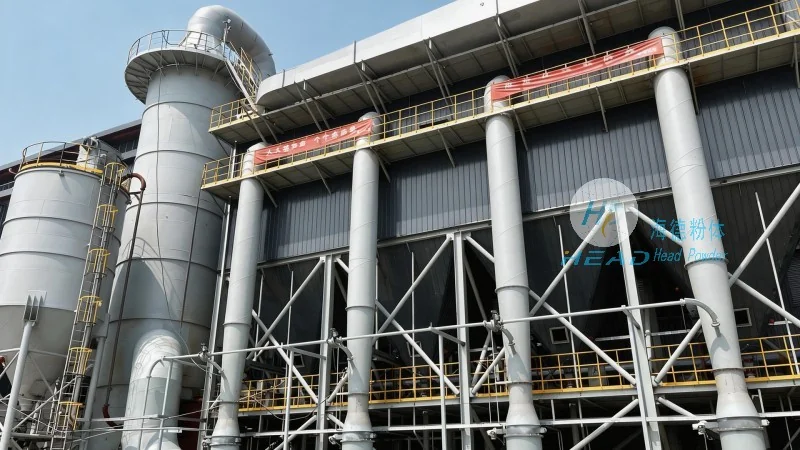
Rail tank car transport is a cost-effective solution for transporting styrene over long distances, especially when pipeline infrastructure is not feasible or economically viable. It involves loading styrene into specialized rail tank cars designed to withstand the pressures and temperatures of liquid transport. This method offers advantages such as lower fuel costs per mile compared to road transport, reduced driver fatigue, and the ability to transport large volumes in a single trip. Rail transport is particularly suitable for bulk shipments between major industrial centers or ports. However, it has limitations, including the need for rail siding access, potential delays due to rail traffic, and higher initial investment for rail loading facilities. Additionally, rail transport may be less flexible in terms of delivery timing compared to road transport.
Comparative Analysis of Transport Methods
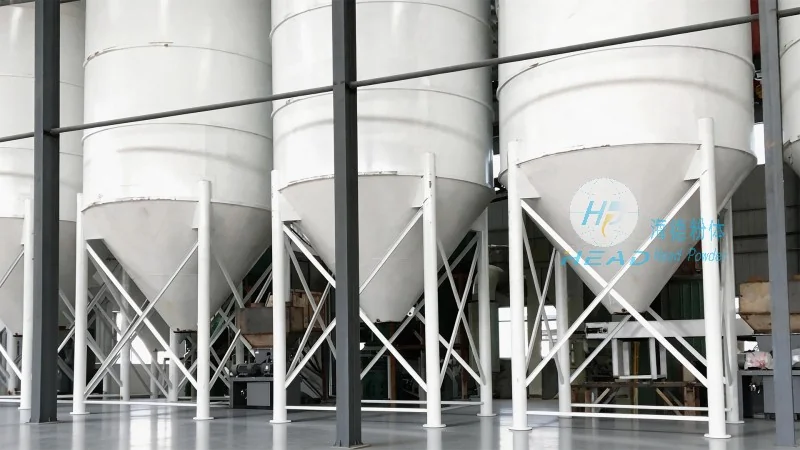
When evaluating styrene transport methods, several factors must be considered, including volume, distance, cost, and regulatory requirements. Pipeline transport is ideal for large-scale, long-distance operations, offering the highest efficiency and lowest operating costs. Road tanker transport provides flexibility and accessibility, making it suitable for smaller volumes or remote locations. Rail tank car transport offers a balance between cost and efficiency for long-distance bulk shipments. The choice of method should be based on a comprehensive analysis of these factors to ensure optimal performance and compliance with safety standards.
Conclusion
Effective styrene transportation is critical to the smooth operation of industries relying on this chemical. By understanding the advantages and disadvantages of different transport methods, companies can make informed decisions to optimize their supply chain logistics. Whether using pipelines, road tankers, or rail tank cars, selecting the appropriate method ensures safe, efficient, and cost-effective movement of styrene. Shandong HeadPowder Engineering Co., Ltd., a leading provider of engineering solutions, offers expertise in designing and implementing transport systems tailored to specific industrial needs, ensuring compliance with industry standards and enhancing operational efficiency.