When it comes to efficiently handling rice husk, selecting the right conveying method is crucial for optimizing processing efficiency and operational costs. This article provides a detailed comparison of common rice husk conveying methods, examining their advantages and disadvantages to help industrial operators make informed decisions. The discussion is presented by Shandong HeadPowder Engineering Co., Ltd., a leading manufacturer in the field, with a focus on practical applications and performance characteristics.
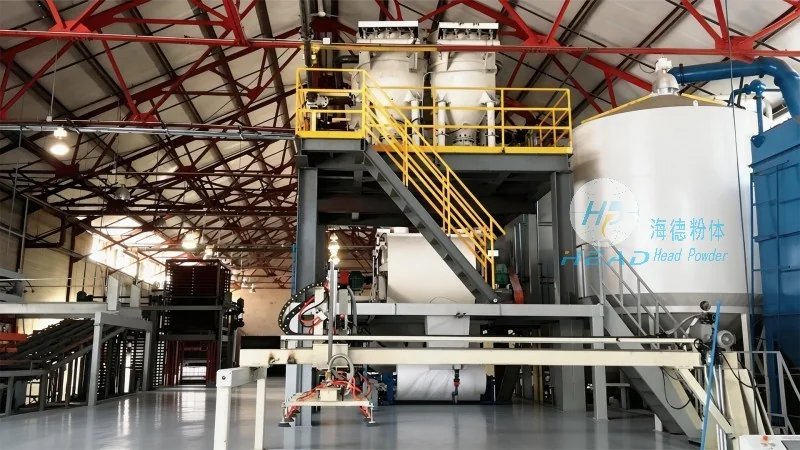
Overview of Rice Husk Conveying Systems
Rice husk, a byproduct of rice milling, is widely used as a fuel source in power plants and as a raw material in various industrial processes. Effective conveying of this lightweight, abrasive material requires specialized equipment that can handle its unique properties, such as low bulk density and high dust generation. Common conveying methods include screw conveyors, pneumatic conveyors, belt conveyors, and bucket elevators. Each method has distinct characteristics that make it suitable for different operational scenarios.
Screw Conveyors: Advantages and Limitations
Screw conveyors, also known as auger conveyors, are among the most common solutions for transporting rice husk. These systems consist of a rotating helical screw inside a U-shaped or tubular housing. The screw pushes the material forward through the conveyor, making them ideal for horizontal or slightly inclined applications. A key advantage of screw conveyors is their simplicity and low maintenance requirements. They are relatively inexpensive to install and operate, and can handle a wide range of materials, including abrasive rice husk. However, screw conveyors have several limitations. They are not suitable for long-distance transport due to the high friction and wear on the screw and housing. Additionally, they can be prone to clogging, especially with fibrous or sticky materials like rice husk, which may require regular cleaning and maintenance. The low capacity compared to other methods is another drawback, as they are best suited for short to medium-distance conveying tasks.
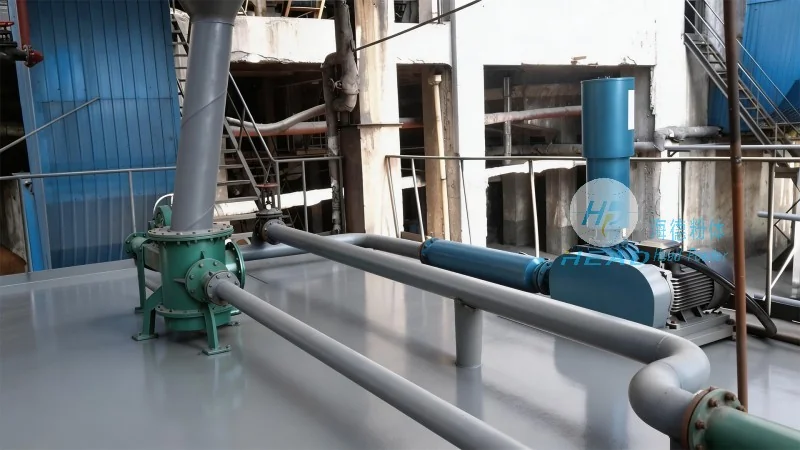
Pneumatic Conveyors: High-Efficiency but Costly
Pneumatic conveying systems use air or gas to transport rice husk through a pipeline. These systems are available in two main types: pressure and vacuum. Pressure systems push the material with compressed air, while vacuum systems pull it using a vacuum pump. Pneumatic conveyors offer several advantages, including the ability to transport materials over long distances (up to several hundred meters) and the flexibility to move materials between different levels or locations. They are also capable of handling fine powders and can be integrated with other processing equipment, such as classifiers or cyclones. However, pneumatic conveyors come with significant drawbacks. They are generally more expensive to install and operate compared to other methods, primarily due to the high energy consumption required to move the material through the pipeline. The system also requires careful design to prevent material degradation or loss, as high air velocities can cause wear on the pipeline and components. Additionally, the risk of dust explosions in pressure systems necessitates proper explosion-proof measures, adding to the overall cost and complexity.
Belt Conveyors: Versatile for Bulk Handling
Belt conveyors are widely used in bulk material handling, including rice husk, due to their high capacity and ability to transport materials over long distances. These systems consist of a continuous belt that moves over rollers or idlers, with the material placed on the belt and carried to the destination. Belt conveyors are particularly suitable for horizontal or gently inclined transport, making them ideal for conveying rice husk from storage silos to processing units. A major advantage of belt conveyors is their high throughput capacity, which can handle large volumes of material efficiently. They are also relatively simple to operate and maintain, with minimal moving parts compared to other systems. However, belt conveyors have limitations when dealing with lightweight, dusty materials like rice husk. The low bulk density of rice husk can lead to poor load distribution on the belt, resulting in reduced efficiency and increased wear on the belt and rollers. Additionally, the need for regular cleaning and maintenance to prevent material buildup on the belt is a common challenge. The system also requires a larger footprint compared to other methods, which may be a constraint in space-limited facilities.
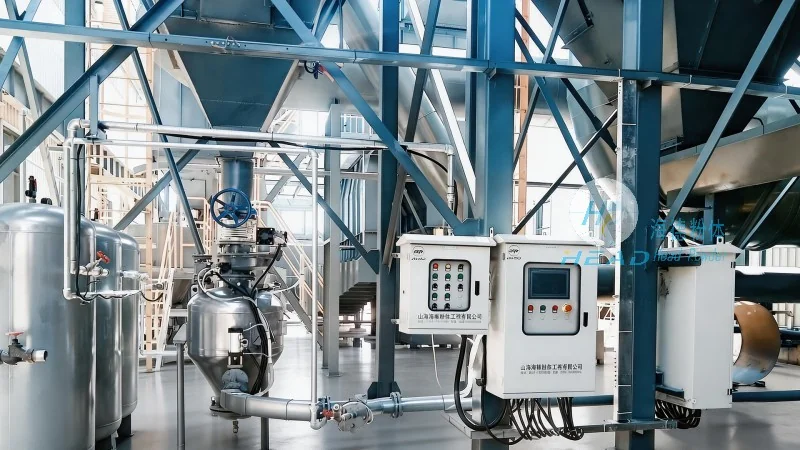
Bucket Elevators: Vertical Transport Solutions
Bucket elevators are specialized conveyors designed for vertical transport of materials, including rice husk. These systems consist of a continuous chain or belt with attached buckets that move vertically, lifting the material from a lower to a higher level. Bucket elevators are ideal for vertical conveying tasks, such as moving rice husk from a storage hopper to a processing plant at a higher elevation. A key advantage of bucket elevators is their high vertical lifting capacity, which can handle materials over significant heights without the need for multiple stages. They are also capable of handling abrasive materials like rice husk, as the buckets are typically made of durable materials such as steel or rubber. However, bucket elevators have limitations in terms of horizontal transport. They are primarily designed for vertical movement and are not suitable for horizontal or inclined transport. The system also requires careful alignment and maintenance to prevent bucket slippage or material spillage, which can lead to operational issues. Additionally, the high speed of the buckets can cause material degradation, especially for delicate or fibrous materials.
Choosing the Right Conveying Method for Rice Husk
The selection of an appropriate rice husk conveying method depends on several factors, including the distance of transport, the required capacity, the operational environment, and the specific properties of the material. For short to medium horizontal distances with moderate capacity, screw conveyors are often the most cost-effective solution. For long-distance or multi-level transport, pneumatic conveyors or belt conveyors may be more suitable. Bucket elevators are ideal for vertical transport tasks where space is limited vertically but available horizontally. It is essential to consider the maintenance requirements, energy consumption, and overall cost of each system to ensure the chosen method aligns with the operational goals and budget constraints. Shandong HeadPowder Engineering Co., Ltd. offers a range of conveying solutions tailored to these needs, providing customized equipment that maximizes efficiency and minimizes downtime.




