For industrial applications involving the handling of bamboo powder, efficient and reliable material conveying systems are essential. This article explores the working principle and key features of bamboo powder material conveying lines, highlighting how they enhance operational efficiency and ensure consistent material flow in processing environments. The discussion is based on the expertise of Shandong HeadPowder Engineering Co., Ltd., a leading provider of specialized material handling solutions based in Shandong, China.
Understanding the Working Principle of Bamboo Powder Conveying Lines
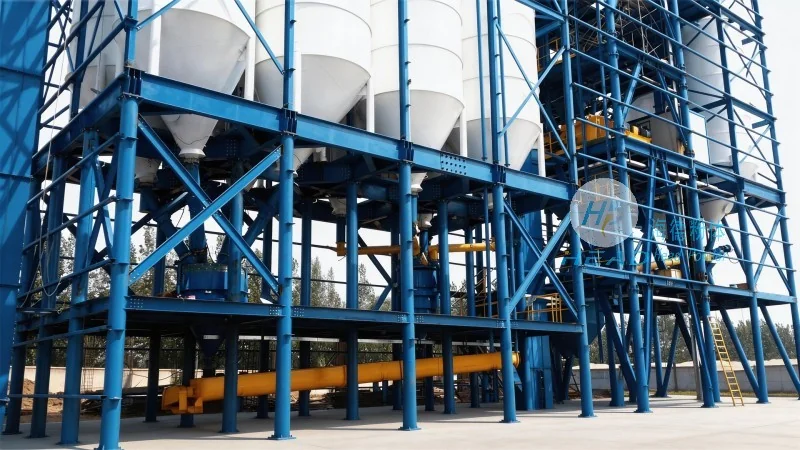
Bamboo powder material conveying lines typically operate on the principle of mechanical transport, utilizing various components to move bulk materials from one location to another within a production facility. The core components of such systems generally include a feeding mechanism, a conveyor system (such as screw conveyors, belt conveyors, or pneumatic conveyors), and control systems to regulate the flow of material. The feeding mechanism is responsible for introducing bamboo powder into the conveying line, often using hoppers or feeders that ensure a steady and controlled input of material. This initial step is critical to prevent blockages and maintain consistent flow rates.
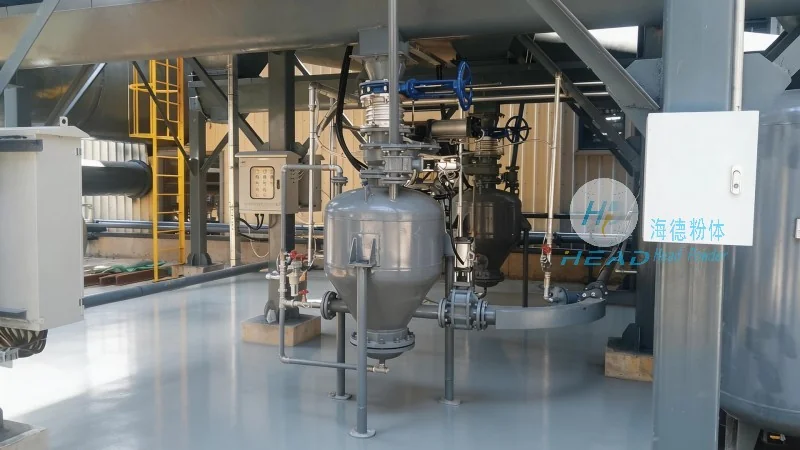
The conveyor system then transports the bamboo powder through the line. Screw conveyors, for instance, use rotating screws to push material forward, making them suitable for handling dry, free-flowing powders like bamboo powder. Belt conveyors, on the other hand, rely on a continuous belt to move material, which can be advantageous for transporting larger quantities or materials with varying moisture content. Pneumatic conveyors utilize air pressure to move the powder through a pipeline, offering advantages in terms of flexibility and the ability to transport materials over longer distances without the need for multiple components. The choice of conveyor type depends on factors such as the properties of the bamboo powder (e.g., particle size, moisture content, and bulk density) and the specific requirements of the processing application.
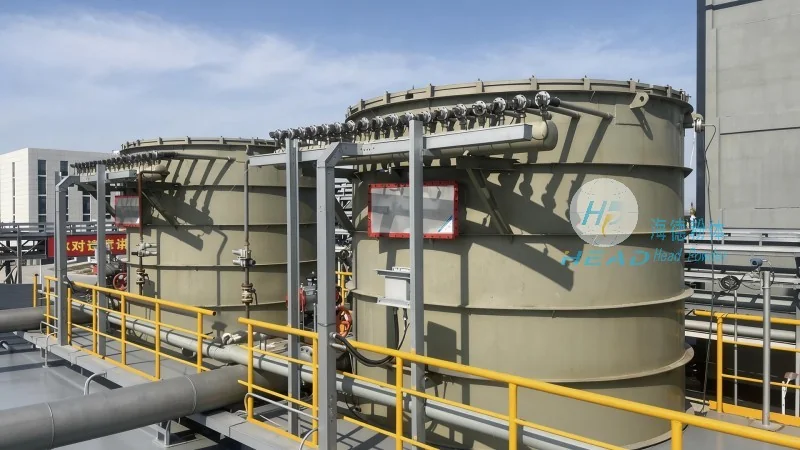
Control systems are integral to the operation of bamboo powder conveying lines, as they monitor and adjust the flow of material to maintain optimal performance. Sensors and indicators are often integrated into the system to detect levels of material in hoppers, detect blockages, and adjust conveyor speeds as needed. This automation ensures that the conveying process remains efficient and minimizes downtime, which is crucial for maintaining production schedules and reducing operational costs.
Key Features of Bamboo Powder Material Conveying Lines
Effective bamboo powder conveying lines are characterized by several key features that enhance their performance and reliability. One of the primary features is the ability to handle dry, fine powders without causing dust accumulation or material degradation. This is achieved through the use of sealed systems and appropriate materials for the conveyor components, which prevent contamination and maintain the quality of the bamboo powder. The systems are also designed to minimize material loss and ensure complete transfer from the source to the destination, which is vital for maintaining product consistency and reducing waste.
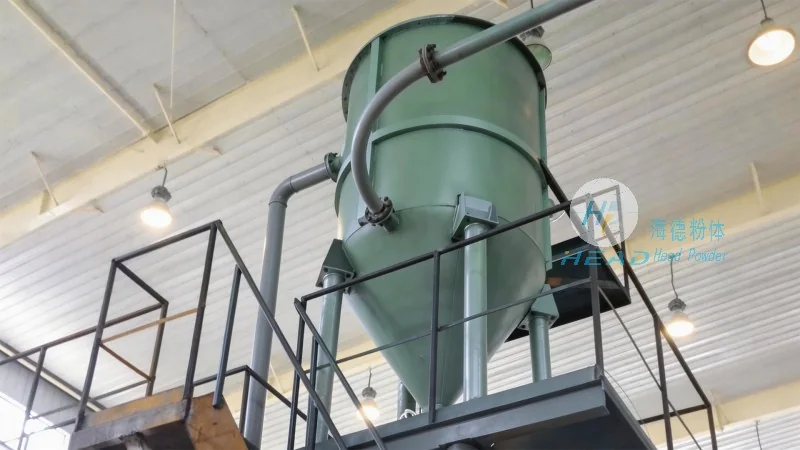
Another important feature is the adaptability of the conveying line to different processing requirements. Many systems are modular, allowing for easy adjustments or expansions to accommodate changes in production volume or material specifications. This flexibility is particularly valuable in industries where product lines may change or where production scales up or down over time. Additionally, the systems are often equipped with cleaning mechanisms to remove residual powder from the conveyor components, ensuring that the equipment remains in good working condition and that no cross-contamination occurs between batches of bamboo powder.
Energy efficiency is also a notable feature of modern bamboo powder conveying lines. Advanced designs incorporate energy-saving components, such as variable speed drives, which adjust the conveyor speed based on the actual material load. This not only reduces energy consumption but also extends the lifespan of the equipment by minimizing wear and tear. Furthermore, the use of durable materials for the conveyor components, such as stainless steel or corrosion-resistant alloys, ensures that the system can withstand the abrasive nature of bamboo powder and operate reliably over extended periods.
Conclusion and Company Overview
Bamboo powder material conveying lines are sophisticated systems that combine mechanical transport with advanced control technologies to ensure efficient and reliable handling of bamboo powder in industrial settings. The working principle, which typically involves feeding, conveying, and controlling mechanisms, is designed to address the unique challenges of handling fine, dry powders. Key features such as dust control, adaptability, energy efficiency, and durability make these systems essential for maintaining high production standards and minimizing operational costs. Shandong HeadPowder Engineering Co., Ltd., based in Shandong, China, specializes in the design and manufacturing of such material handling solutions, leveraging years of experience to deliver customized systems that meet the specific needs of their clients. By understanding the working principle and features of bamboo powder conveying lines, industries can optimize their material handling processes and enhance overall operational efficiency.




