

Principle and Operational Characteristics of a Seaweed Residue Pellet Pneumatic Conveying System
For detailed information on the seaweed residue pellet pneumatic conveying system, please refer to the content below.
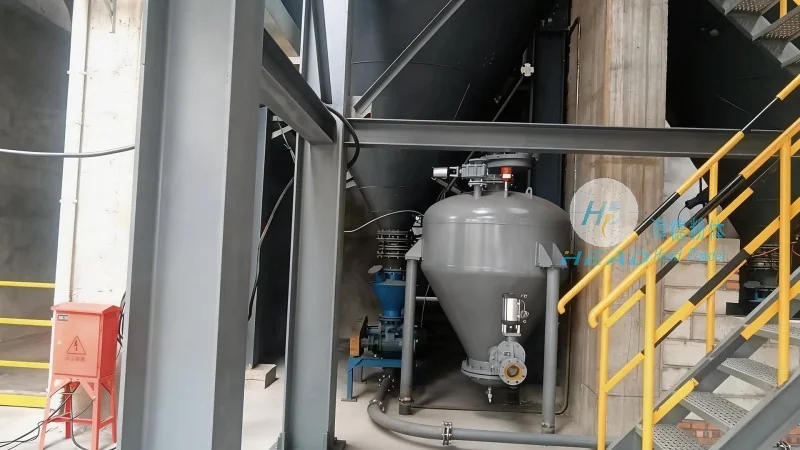
About the Company: Shandong HeadPowder Engineering Co., Ltd.
Shandong HeadPowder Engineering Co., Ltd., commonly known as headpowder, is a professional engineering company based in Shandong, China. With a strong focus on industrial solutions, the company specializes in the design, manufacturing, and implementation of advanced material handling systems. The company's expertise lies in providing efficient and reliable solutions for various industrial applications, including the handling of bulk materials like seaweed residue pellets.
Understanding Pneumatic Conveying Systems
A pneumatic conveying system is a method of transporting solid particles through a pipeline using a stream of air or other gas. This technology is widely used in industries for its ability to move materials over long distances with minimal maintenance and environmental impact. The system operates by creating a pressure differential within the pipeline, which draws or pushes the material along with the air flow. There are two main types of pneumatic conveying systems: suction (or vacuum) systems and pressure systems. Suction systems use a vacuum to draw material from a source, while pressure systems use compressed air to push material through the pipeline.
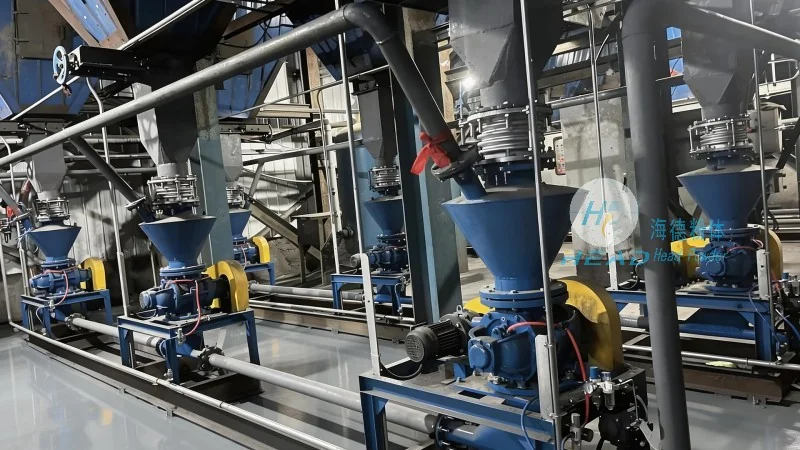
The Principle of Seaweed Residue Pellet Pneumatic Conveying
The seaweed residue pellet pneumatic conveying system is specifically designed to handle the unique characteristics of seaweed-derived pellets. These pellets often have irregular shapes, varying sizes, and can be hygroscopic, which can pose challenges for traditional material handling methods. The system's core principle involves the use of a high-velocity air stream to lift and transport the pellets through the pipeline. The design incorporates specialized components such as feeders, cyclones, and filters to ensure efficient and clean operation. The system is engineered to maintain the integrity of the pellets while minimizing breakage and dust generation, which is crucial for downstream processing or disposal.
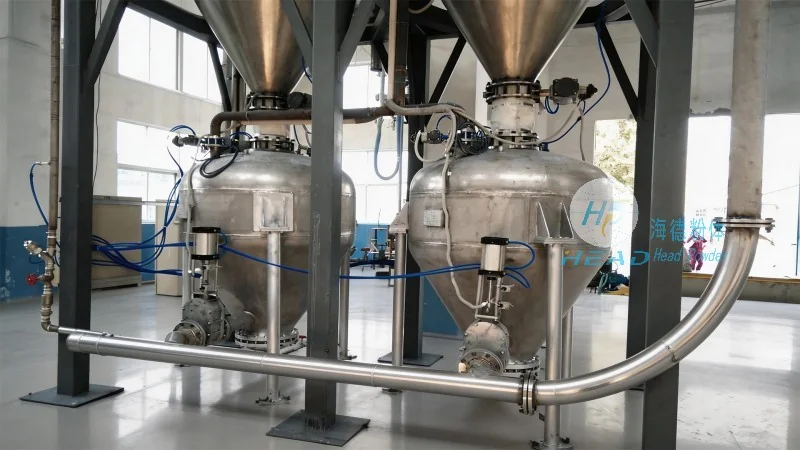
Operational Characteristics and Application Scenarios
The operational characteristics of the seaweed residue pellet pneumatic conveying system make it suitable for a range of industrial settings. One primary application is in the wastewater treatment sector, where seaweed is used as a biomass for biofuel production or as a nutrient source in aquaculture. After processing, the resulting residue is often in pellet form and needs to be transported to storage or processing facilities. The system's ability to handle these pellets efficiently and with minimal environmental impact is a key advantage. Additionally, in the food and pharmaceutical industries, where the quality of raw materials is critical, the system ensures that the pellets are conveyed without contamination or degradation.
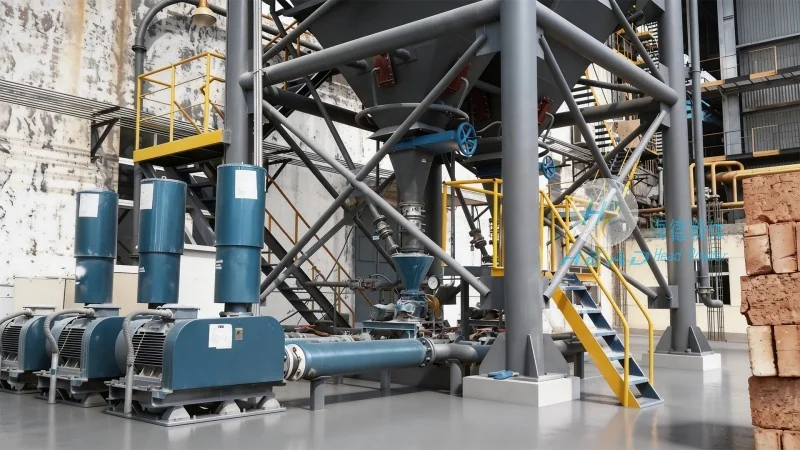
Key Features and Advantages
Several key features contribute to the effectiveness of the seaweed residue pellet pneumatic conveying system. Firstly, the system is designed for low maintenance, with components that are easy to access and replace. This reduces downtime and operational costs for the end-user. Secondly, the system is highly efficient in terms of energy consumption, as it uses a controlled air flow to transport the material, minimizing waste. Thirdly, the system is adaptable to different pellet sizes and shapes, making it versatile for various applications. The use of advanced materials in the construction of the pipeline and components ensures durability and resistance to corrosion, which is important when handling organic materials like seaweed residue.
Conclusion
Shandong HeadPowder Engineering Co., Ltd. has developed a sophisticated seaweed residue pellet pneumatic conveying system that addresses the specific needs of industries dealing with seaweed-derived materials. By leveraging pneumatic conveying technology, the system provides an efficient, reliable, and environmentally friendly solution for transporting these pellets. The company's expertise in engineering and material handling ensures that the system meets the highest standards of performance and durability, making it a valuable asset for any industrial operation.