

Principles and Working Scene Characteristics of Textile Fiber Pneumatic Conveying Systems
For companies in the textile industry, efficient material handling is a critical factor in maintaining production efficiency and product quality. Pneumatic conveying systems have emerged as a highly effective solution for transporting textile fibers, offering advantages such as low maintenance, high reliability, and the ability to handle a wide range of fiber types. This article explores the fundamental principles of textile fiber pneumatic conveying systems and highlights the key characteristics of their working environments.
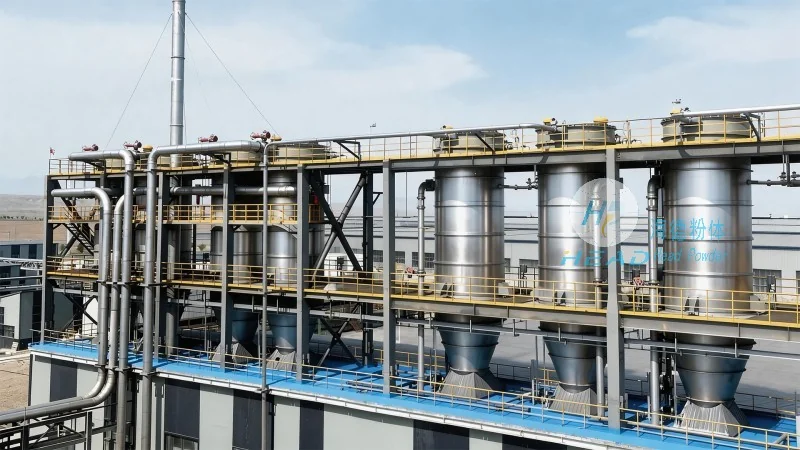
Understanding the Core Principles of Pneumatic Conveying for Textile Fibers
The primary principle behind pneumatic conveying is the use of air or gas to transport solid materials through a pipeline. In the context of textile fibers, this process involves creating a flow of air that carries the fibers from a source point to a destination point. The system typically consists of several key components, including a material hopper, a conveying line, a separator, and a discharge outlet. The material hopper holds the textile fibers, while the conveying line transports them via air pressure or vacuum. The separator then separates the fibers from the air stream, ensuring that the fibers are delivered to the intended location without loss or contamination.
There are two main types of pneumatic conveying systems used for textile fibers: pressure and vacuum systems. Pressure systems use compressed air to push the fibers through the pipeline, making them suitable for short to medium distances and high-volume applications. Vacuum systems, on the other hand, use a vacuum to draw the fibers into the pipeline, which is ideal for longer distances and applications where the material needs to be collected from multiple points. The choice between these systems depends on factors such as the distance between the source and destination, the volume of material to be conveyed, and the specific characteristics of the textile fibers being handled.
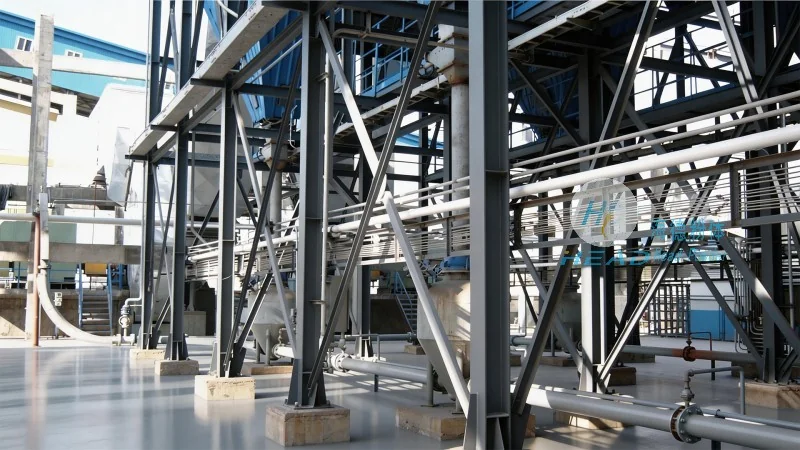
Key Working Scene Characteristics of Textile Fiber Pneumatic Conveying Systems
The working environment of a textile fiber pneumatic conveying system is characterized by several important aspects that influence its performance and effectiveness. First, the system must be designed to handle the specific properties of textile fibers, such as their fine particle size, irregular shapes, and potential for static electricity. These characteristics can affect the flow of the fibers and the efficiency of the conveying process, requiring specialized equipment and controls to ensure optimal performance.
Second, the system operates in a clean and controlled environment to maintain the quality of the textile fibers. Pneumatic conveying systems are often used in settings where the fibers are sensitive to contamination or moisture, making it essential to use materials and components that are resistant to these factors. The system's design also includes features such as filters and separators to prevent dust and other particles from entering the pipeline, which could compromise the quality of the fibers.
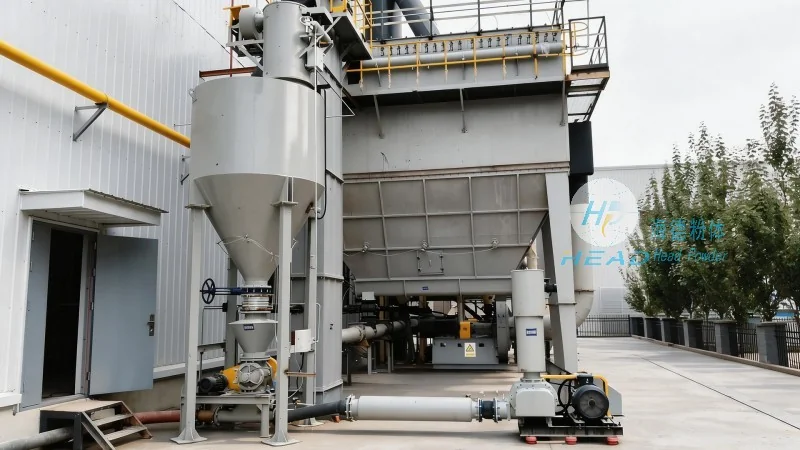
Third, the working scene is typically integrated into the overall production line of a textile manufacturing facility. The system is often connected to other equipment, such as blending machines, carding machines, and spinning machines, to ensure a seamless flow of materials from one stage of production to the next. This integration allows for efficient material handling and reduces the need for manual labor, which can improve overall productivity and reduce the risk of errors.
Applications and Benefits in Real-World Textile Production
Textile fiber pneumatic conveying systems are widely used in various stages of textile production, from raw material handling to finished product processing. In the raw material stage, the system is used to transport cotton, wool, and synthetic fibers from storage to the processing equipment. This helps to streamline the production process and reduce the time and labor required to move materials between different areas of the facility.
During the processing stage, the system is used to convey fibers from one machine to another, such as from a carding machine to a spinning machine or from a blending machine to a dyeing machine. This ensures that the fibers are handled gently and efficiently, minimizing the risk of damage or loss. The system's ability to handle different types of fibers and its low maintenance requirements make it a popular choice for textile manufacturers.
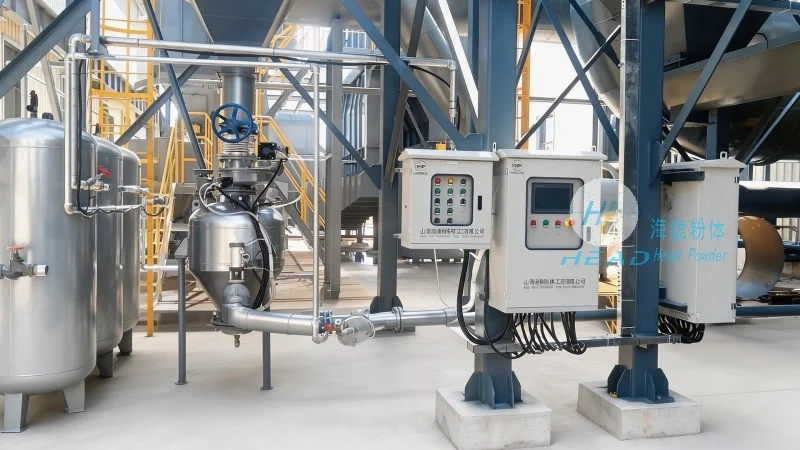
In the finishing stage, the system is used to transport finished textiles from the production line to storage or packaging areas. This helps to maintain the quality of the finished products and ensures that they are handled in a way that preserves their quality and appearance. The system's efficiency and reliability make it an essential component of modern textile production facilities.
Conclusion and Company Overview
Pneumatic conveying systems for textile fibers offer significant advantages in terms of efficiency, reliability, and material handling. By understanding the core principles of these systems and the characteristics of their working environments, textile manufacturers can optimize their production processes and improve overall productivity. Shandong HeadPowder Engineering Co., Ltd., a leading provider of pneumatic conveying solutions, specializes in designing and manufacturing customized systems tailored to the specific needs of the textile industry. With a focus on quality, innovation, and customer satisfaction, HeadPowder has become a trusted partner for textile manufacturers worldwide, helping them to achieve their production goals and maintain a competitive edge in the market.