

Operation Process and Working Principle of Brown Sugar Pneumatic Conveying
Understanding the operation process and working principle of brown sugar pneumatic conveying systems is crucial for optimizing industrial efficiency in sugar processing facilities. This article, provided by Shandong HeadPowder Engineering Co., Ltd. (headpowder), offers a detailed overview of how these systems function, emphasizing the technical aspects and operational steps involved in transporting brown sugar efficiently and safely. Located in Shandong, China, headpowder specializes in designing and manufacturing advanced pneumatic conveying systems tailored to the unique needs of the sugar industry.
Introduction to Brown Sugar Pneumatic Conveying
Brown sugar, a key product in the sugar industry, often requires specialized handling due to its granular nature and moisture content. Pneumatic conveying systems offer an effective solution for transporting brown sugar from storage silos to processing units or packaging areas. These systems utilize air pressure to move the material, eliminating the need for mechanical components like belts or buckets that may cause contamination or material degradation.
Key Components of a Brown Sugar Pneumatic Conveying System
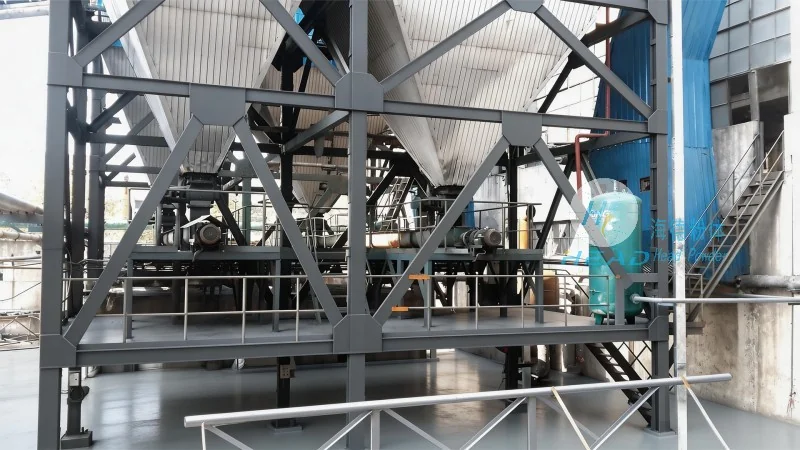
A typical brown sugar pneumatic conveying system consists of several critical components that work in tandem to ensure smooth material transport. These include the material hopper, which stores the brown sugar; the air compressor or blower that generates the necessary air pressure; the conveying line, which transports the material; and the receiving hopper or silo where the material is deposited. Each component plays a vital role in maintaining the system's efficiency and reliability.
The Operation Process of Brown Sugar Pneumatic Conveying
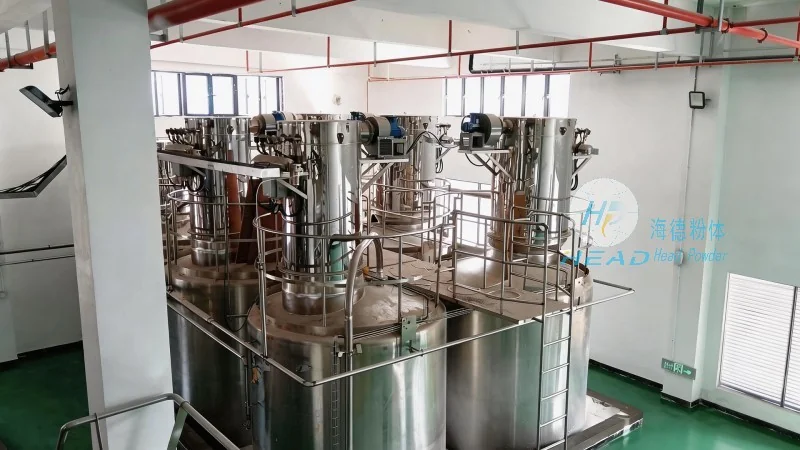
The operation process of a brown sugar pneumatic conveying system begins with the loading of brown sugar into the material hopper. The hopper is equipped with a feeding mechanism, such as a rotary valve or a screw feeder, which controls the flow of material into the conveying line. Simultaneously, the air compressor starts operating, generating a steady stream of air that flows through the conveying line. As the air moves through the line, it creates a negative pressure that draws the brown sugar particles into the air stream. The mixture of air and brown sugar travels through the pipeline to the receiving hopper, where the air is separated from the material, typically using a cyclone separator or a filter. The separated brown sugar is then collected in the receiving hopper, ready for further processing or packaging.
Working Principle of Brown Sugar Pneumatic Conveying
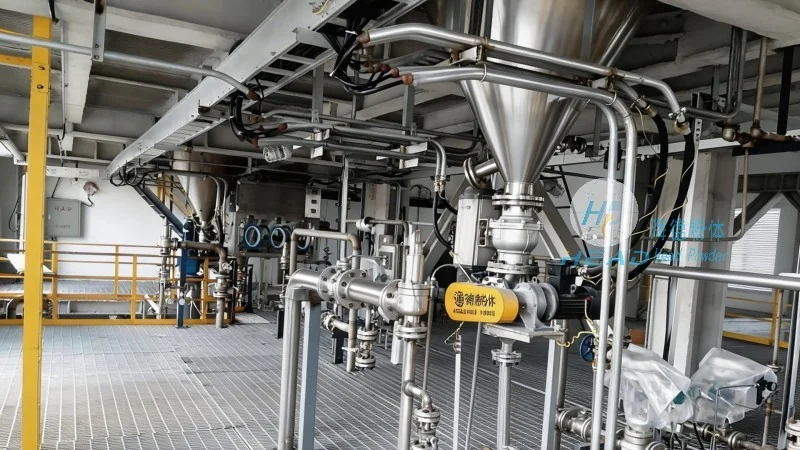
The working principle of brown sugar pneumatic conveying is based on the principle of fluidization and air suspension. When air is introduced into the conveying line at a sufficient velocity, it lifts the brown sugar particles and keeps them suspended in the air stream. This process, known as pneumatic transport, allows the material to be moved through the pipeline without direct contact with the pipe walls, reducing friction and wear. The key to efficient operation is maintaining the correct air velocity and pressure to ensure that the brown sugar particles remain suspended and do not settle or clog the pipeline. The system's design, including the size and shape of the conveying line, the angle of the line, and the placement of components, all contribute to the overall efficiency and effectiveness of the conveying process.
Advantages of Using Brown Sugar Pneumatic Conveying Systems
Implementing a brown sugar pneumatic conveying system offers several advantages over traditional mechanical conveying methods. These include reduced labor costs, as the system automates the material transport process; improved hygiene, as the material is handled in a closed system, minimizing contamination risks; and increased efficiency, as the system can transport large quantities of brown sugar quickly and reliably. Additionally, pneumatic conveying systems are flexible and can be easily integrated with existing processing lines, making them a cost-effective solution for sugar processing facilities.
Applications in Sugar Processing Facilities
Brown sugar pneumatic conveying systems are widely used in various stages of sugar processing. They are commonly employed to transport brown sugar from storage silos to refining units, where it is further processed into white sugar or other sugar products. The systems are also used to move brown sugar from processing lines to packaging areas, ensuring that the material is handled with minimal exposure to the environment. In addition, these systems can be used in quality control processes, where the brown sugar is sampled and tested for moisture content, purity, and other quality parameters.
Maintenance and Troubleshooting for Brown Sugar Pneumatic Conveying Systems
To ensure the long-term performance and reliability of brown sugar pneumatic conveying systems, regular maintenance is essential. This includes checking the air compressor for proper operation, inspecting the conveying line for blockages or wear, and cleaning the cyclone separator or filter to prevent clogging. Common issues that may arise in these systems include air leaks, which can reduce the system's efficiency, and material buildup, which can cause clogs and damage to the equipment. Proper maintenance and timely troubleshooting can help prevent these issues and ensure the system operates at optimal levels.
Conclusion
Brown sugar pneumatic conveying systems are an essential component of modern sugar processing facilities, providing an efficient and reliable method for transporting brown sugar. By understanding the operation process and working principle of these systems, sugar processing companies can optimize their operations, reduce costs, and improve product quality. As technology advances, these systems continue to evolve, offering even greater efficiency and flexibility for the sugar industry.