HeadPowder, a leading manufacturer based in Shandong, China, specializes in the design and implementation of efficient pneumatic conveying systems for powder handling applications. The powder bin pneumatic conveying system is a critical component in many industrial processes, enabling the safe and reliable transport of bulk powders from storage bins to processing units. This article provides a detailed overview of the operation process and working principles of such systems, highlighting the key components, operational steps, and technical aspects that ensure optimal performance.
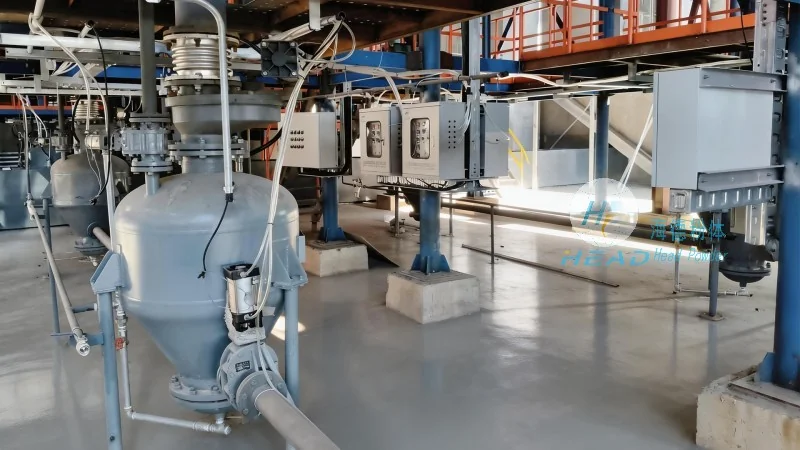
Key Components of the Powder Bin Pneumatic Conveying System
The powder bin pneumatic conveying system consists of several essential components that work in tandem to facilitate the transport of powders. These components include the powder bin (or hopper), a conveying line (typically a flexible or rigid pipe), a blower or air compressor, a control system, and a receiver or discharge unit. Each component plays a crucial role in the overall operation of the system. The powder bin is where the bulk powder is stored, and it is equipped with a discharge valve or feeder to regulate the flow of material. The conveying line transports the powder from the bin to the processing area, while the blower generates the necessary air pressure to move the material. The control system manages the operation of the blower, feeder, and other components, ensuring smooth and continuous operation. The receiver is where the conveyed powder is deposited, completing the transport process.
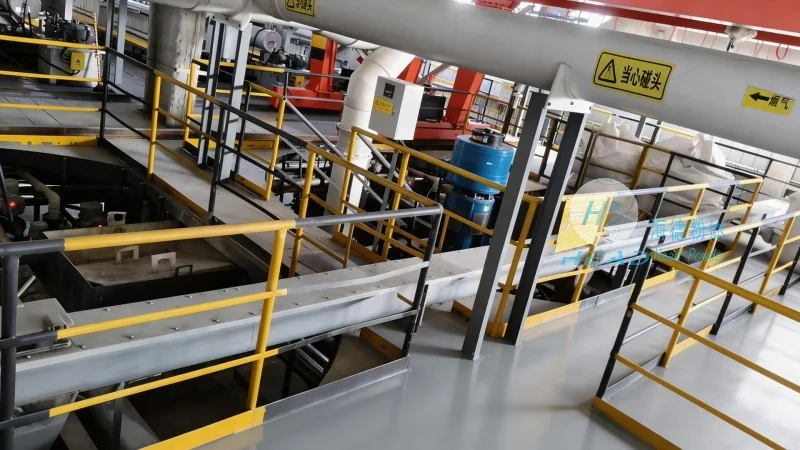
Operation Process of the Powder Bin Pneumatic Conveying System
The operation of the powder bin pneumatic conveying system follows a systematic sequence of steps to ensure efficient and safe material transport. The process begins with the loading of the powder bin, where bulk powders are fed into the storage hopper. Once the bin is filled, the discharge valve or feeder is activated to control the flow rate of the material. Simultaneously, the blower is started, generating a flow of air through the conveying line. The air flow creates a pressure differential that draws the powder particles into the pipe, where they are carried by the air stream to the receiver. The control system monitors the pressure and flow rates, adjusting the blower speed or feeder settings as needed to maintain optimal conveying conditions. The material is then discharged from the receiver into the processing unit, completing the cycle. The system operates continuously, with the control system ensuring that the flow of powder and air is maintained at the desired rate, preventing blockages or overloading of the components.
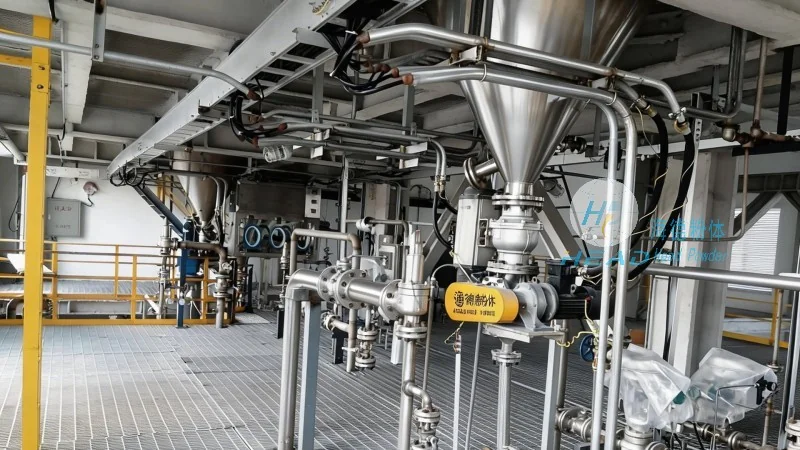
Working Principle of the Powder Bin Pneumatic Conveying System
The working principle of the powder bin pneumatic conveying system is based on the principles of fluidization and pneumatic transport. When air is introduced into the conveying line at a sufficient velocity, it creates a low-pressure zone that draws the powder particles into the pipe. The air flow overcomes the gravitational force acting on the powder particles, allowing them to be suspended and transported through the system. The key to efficient conveying is maintaining the correct air velocity and pressure, which depends on factors such as the particle size, density, and moisture content of the powder, as well as the length and diameter of the conveying line. The system uses positive pressure or negative pressure (or a combination of both) to move the material, with positive pressure systems being more common for long-distance or high-capacity applications. The blower provides the necessary air pressure, and the control system ensures that the pressure is maintained at the optimal level to prevent material degradation or system inefficiencies.
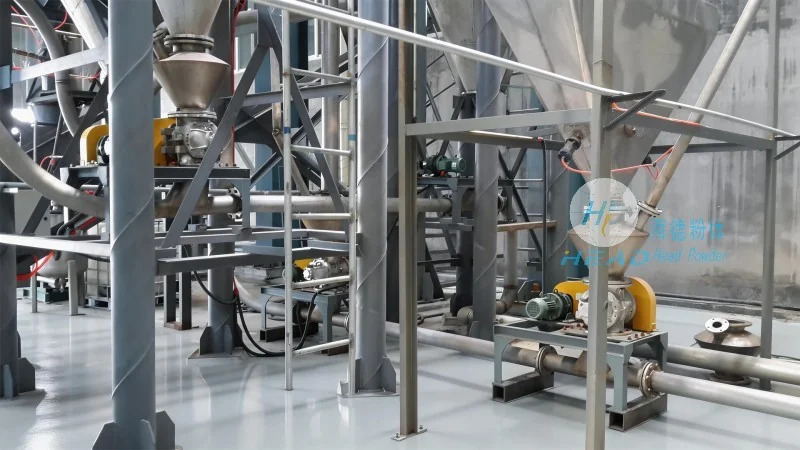
Advantages and Considerations for Powder Bin Pneumatic Conveying
Powder bin pneumatic conveying systems offer several advantages over traditional mechanical conveying methods, including reduced material handling costs, improved safety, and increased flexibility. The system eliminates the need for moving parts in the conveying line, reducing maintenance requirements and the risk of material contamination. Additionally, the system can handle a wide range of powder types, from fine powders to bulk materials, with minimal degradation. However, there are also considerations to keep in mind when implementing such a system. The design of the system must account for the specific properties of the powder, including its flowability, moisture content, and particle size distribution, to ensure optimal performance. The system must also be properly sized to handle the required material flow rate and conveying distance, avoiding under- or over-pressurization that could lead to system inefficiencies or damage. Proper maintenance and regular inspection of the components are also essential to ensure the long-term reliability and efficiency of the system.




