

Operation Process and Working Principle of Pelletized Material Pneumatic Conveying
Pneumatic conveying systems have become integral to material handling in various industrial sectors, offering efficient and flexible solutions for transporting bulk materials like pelletized products. The technology involves using air or gas to move materials through a pipeline, eliminating the need for mechanical components such as belts or buckets in many cases. For industries dealing with pelletized materials, such as those used in construction, agriculture, or chemical processing, pneumatic conveying provides a reliable method to transfer these materials from one location to another with minimal disruption to the production process.
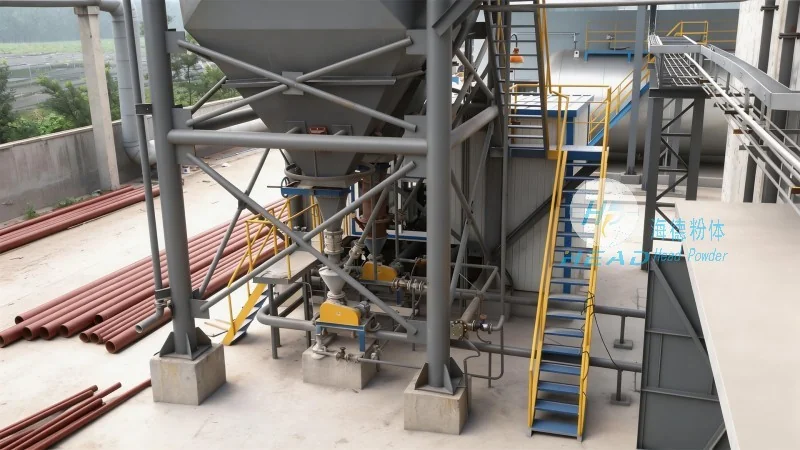
Key Components and Working Principle of Pneumatic Conveying
The core of a pneumatic conveying system consists of several key components, each playing a critical role in the overall operation. The system typically includes a material feed hopper, a conveying line (often made of metal or plastic pipes), a blower or air compressor to generate the necessary airflow, and a discharge device at the receiving end. The working principle revolves around the creation of a pressure differential: when the blower operates, it draws air into the system and forces it through the conveying line, carrying the pelletized material along with it. The velocity and pressure of the air determine the efficiency of material transport, ensuring that the pellets move smoothly without clogging or degradation.
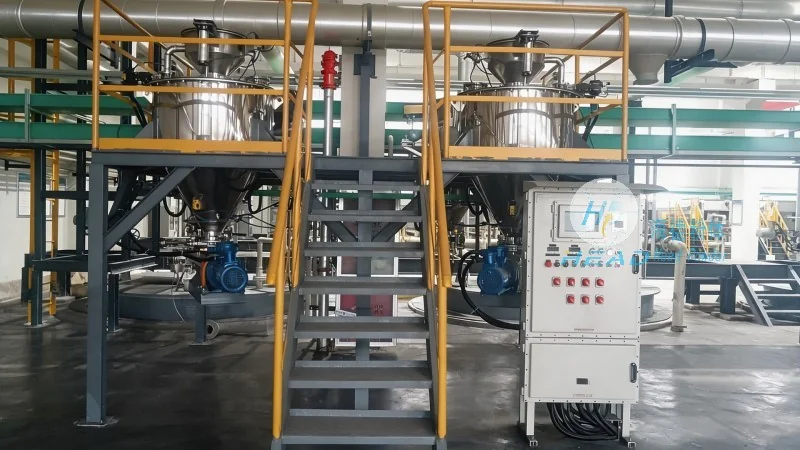
Operation Process of Pelletized Material Pneumatic Conveying
The operation process of pneumatic conveying for pelletized materials involves several sequential steps that ensure consistent and reliable material transfer. First, the pelletized material is fed into the system through a hopper, which may include a feeder mechanism to control the flow rate. The material then enters the conveying line as the air is introduced, creating a slurry or suspension of pellets in the air stream. As the air moves through the pipeline, it transports the pellets to the discharge point, where the material is separated from the air using a cyclone or other separation equipment. The separated pellets are then collected in a receiving bin, while the air is either filtered and recirculated or vented to the atmosphere. This process is continuous and can be adjusted to handle varying material volumes and pipeline lengths, making it adaptable to different industrial applications.
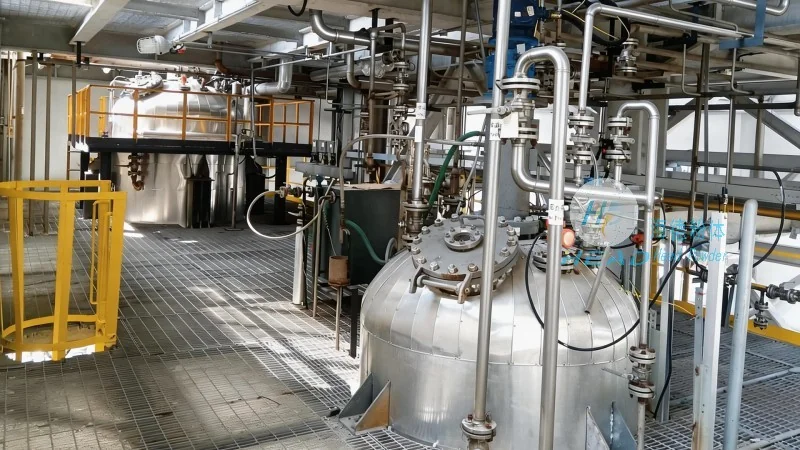
Advantages of Using Pneumatic Conveying for Pelletized Materials
Implementing pneumatic conveying for pelletized materials offers several advantages that enhance operational efficiency and product quality. One of the primary benefits is the ability to transport materials in a closed system, which minimizes dust exposure and contamination, crucial for maintaining product purity in industries like food processing or pharmaceuticals. Additionally, pneumatic conveying systems are generally more flexible than traditional mechanical systems, allowing for changes in pipeline layout or material flow without major modifications. The technology also reduces the risk of material degradation due to friction or impact, as the pellets are carried by air rather than mechanical components. Furthermore, these systems can be integrated with other processing equipment, such as mixers or classifiers, to create a seamless production line, improving overall productivity.
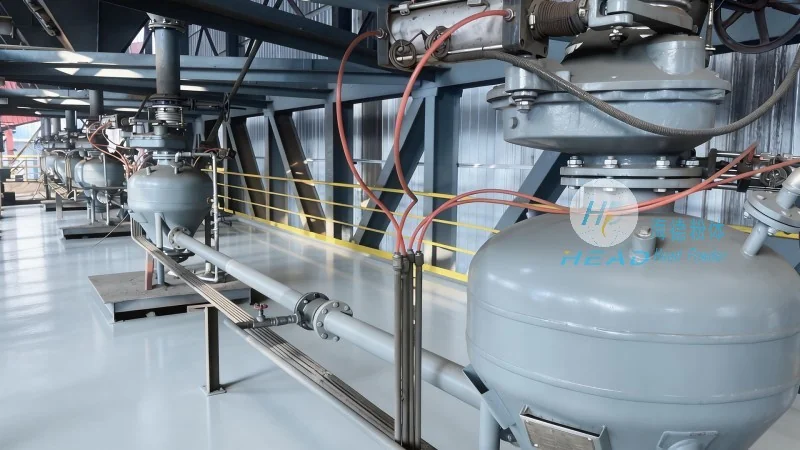
About Shandong HeadPowder Engineering Co., Ltd.
Shandong HeadPowder Engineering Co., Ltd., operating under the brand name headpowder, is a leading provider of pneumatic conveying solutions tailored for pelletized materials. With a focus on innovation and customer-centric design, the company specializes in developing customized systems that meet the specific needs of industrial clients. HeadPowder's expertise lies in understanding the unique characteristics of different pelletized materials, such as their size, density, and flow properties, and designing conveying systems that optimize performance and reliability. The company's facilities are located in Shandong, China, where it leverages advanced manufacturing capabilities and technical expertise to deliver high-quality equipment and services. By combining engineering excellence with practical application knowledge, headpowder aims to support industries in achieving efficient material handling and maintaining product integrity throughout the supply chain.