

Principle and Working Scene Characteristics of Lithium Carbonate Pneumatic Conveying System Equipmen
HeadPowder, a leading provider in the field, specializes in the design, manufacturing, and implementation of advanced pneumatic conveying systems tailored for lithium carbonate applications. This article delves into the fundamental principles behind these systems and highlights the key characteristics of their operational environments.
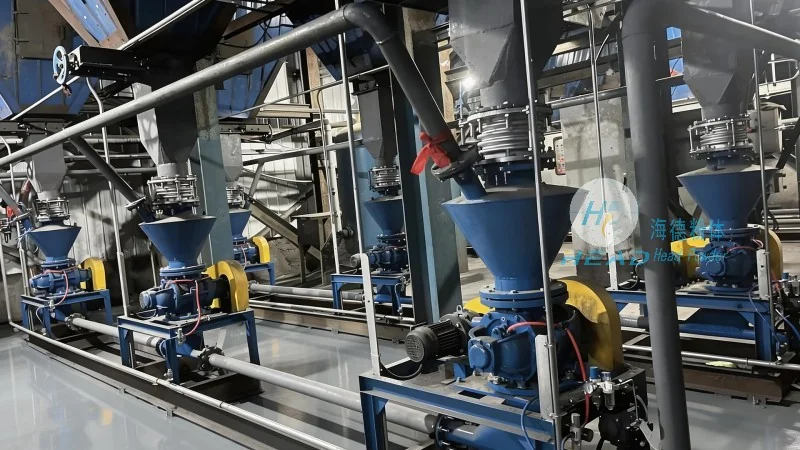
Overview of Lithium Carbonate Pneumatic Conveying Systems
Lithium carbonate is a critical raw material in the production of lithium-ion batteries, which are integral to modern electronics and renewable energy storage solutions. The efficient and safe transportation of this material from storage to processing units is essential for maintaining production efficiency and ensuring product quality. Pneumatic conveying systems offer a reliable method for handling lithium carbonate, leveraging air pressure to move the material through a network of pipes and components.
The Core Principle of Pneumatic Conveying
The fundamental principle of pneumatic conveying involves the use of compressed air to transport bulk materials like lithium carbonate. The system typically consists of a blower or compressor that generates the necessary air pressure, a hopper or feeder to introduce the material, and a series of pipes that guide the material to its destination. The material is suspended in the air stream, allowing it to be moved through the system with minimal friction and contamination. This method is particularly effective for handling fine powders, as it prevents dust accumulation and reduces the risk of material degradation.
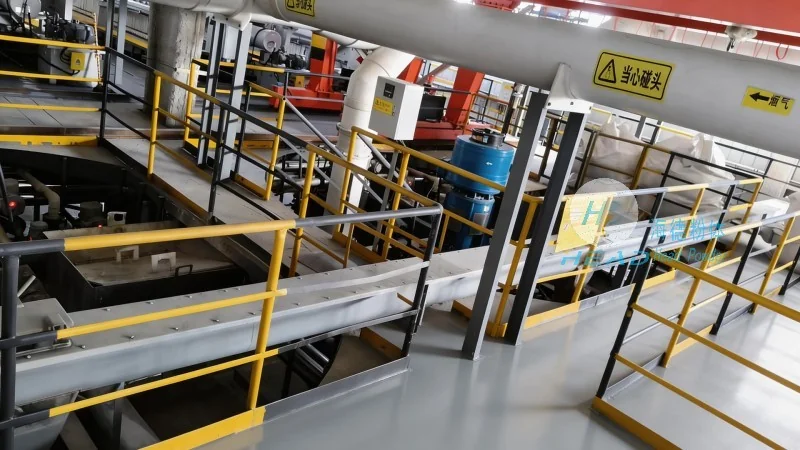
Key Components and Their Functions
Several critical components work in tandem to ensure the smooth operation of a lithium carbonate pneumatic conveying system. The blower or compressor serves as the power source, providing the air pressure required to move the material. The feeder or hopper is responsible for controlling the flow rate of the lithium carbonate, ensuring a consistent and controlled feed into the system. The pipeline network, often made of stainless steel or other corrosion-resistant materials, transports the material from the source to the processing unit. Additionally, components such as cyclones, filters, and silos are used to separate the material from the air stream and store it in a clean, dry state. These components are designed to minimize material loss and maintain the purity of the lithium carbonate, which is crucial for downstream applications.
Working Scene Characteristics and Applications
The operational environment of lithium carbonate pneumatic conveying systems is characterized by several key factors that influence their design and performance. These systems are commonly used in industrial settings, such as battery manufacturing plants, where the material needs to be transported between storage, mixing, and processing units. The working scene typically involves high-volume material handling, with the system capable of transporting large quantities of lithium carbonate over significant distances without the need for manual labor or mechanical conveyors.
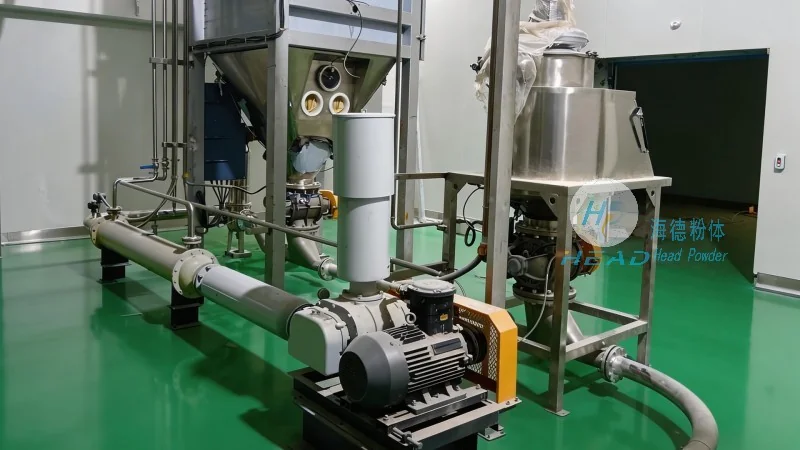
One of the primary advantages of pneumatic conveying systems in this context is their ability to handle fine powders without causing dust explosions or material segregation. The enclosed system design ensures that the material remains contained, reducing the risk of environmental contamination and improving workplace safety. Additionally, these systems can be integrated with other processing equipment, such as mixers and reactors, to create a seamless production line. The flexibility of pneumatic conveying allows for easy adjustment of the system's capacity and flow rate, making it suitable for various production scales and operational needs.
Advantages and Considerations in Operational Environments
When operating a lithium carbonate pneumatic conveying system, several advantages and considerations must be taken into account. The system offers a high degree of automation, reducing the need for manual handling and minimizing the risk of human error. This not only improves efficiency but also enhances safety in the workplace. The enclosed nature of the system also helps maintain the quality of the lithium carbonate by preventing exposure to moisture, air, or contaminants, which could affect its performance in battery manufacturing.
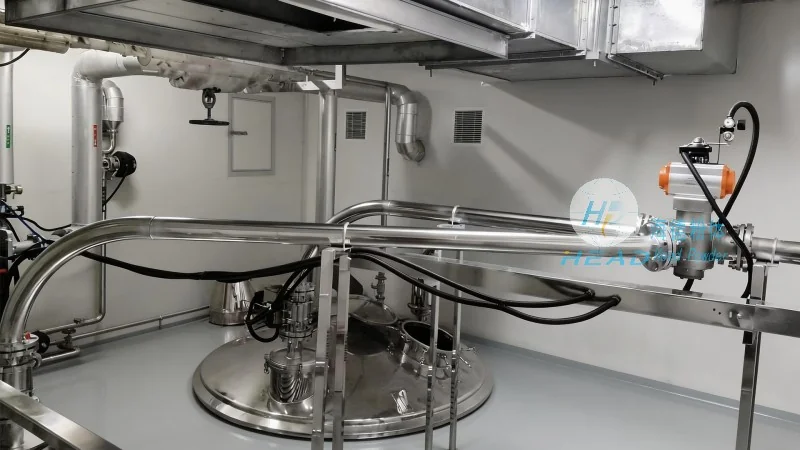
However, the operational environment also presents challenges that need to be addressed. For instance, the system must be designed to handle the specific properties of lithium carbonate, such as its fine particle size and potential for static electricity. Proper grounding and anti-static measures are essential to prevent material buildup and ensure safe operation. Additionally, the system's components must be constructed from materials that are resistant to corrosion and wear, as the continuous movement of the material can cause abrasion over time. Regular maintenance and monitoring are also crucial to ensure the system operates efficiently and reliably, minimizing downtime and maximizing production output.
Conclusion
HeadPowder's expertise in designing and implementing lithium carbonate pneumatic conveying systems ensures that clients receive tailored solutions that meet their specific operational needs. By understanding the fundamental principles of pneumatic conveying and the characteristics of the working environment, these systems can be optimized for maximum efficiency, safety, and product quality. As the demand for lithium-ion batteries continues to grow, the importance of reliable and efficient material handling systems like these cannot be overstated, making them a critical component in the battery manufacturing process.