

Principle and Working Scene Characteristics of Edible Salt Pneumatic Conveying System Equipment
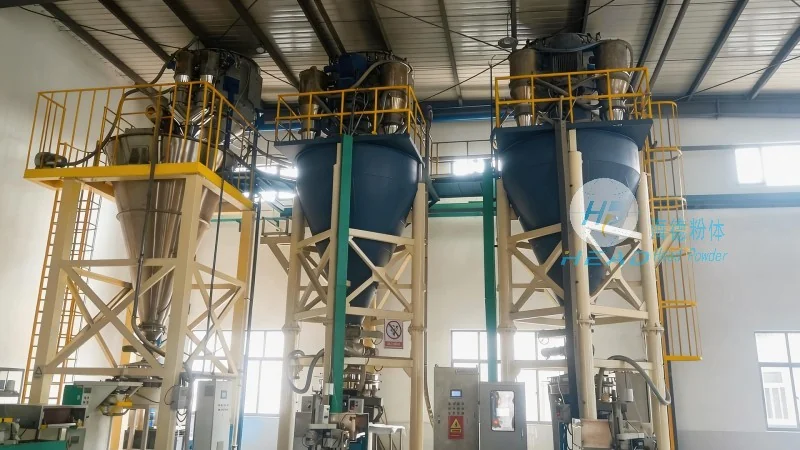
Edible salt, a fundamental ingredient in food processing and preservation, requires efficient and reliable handling systems to ensure quality and safety throughout its lifecycle. The pneumatic conveying system for edible salt represents a sophisticated solution that addresses the unique challenges of transporting this granular material while maintaining its purity and integrity. This article explores the underlying principles of such systems and highlights the key characteristics of their operational environments.
Introduction to Edible Salt Pneumatic Conveying Systems
Edible salt, commonly known as table salt or industrial salt, is a critical component in various industries, including food manufacturing, pharmaceuticals, and chemical processing. Traditional methods of transporting salt, such as belt conveyors or bucket elevators, often face limitations like material degradation, contamination risks, and operational inefficiencies. Pneumatic conveying systems offer a more advanced approach by utilizing air pressure to move salt particles through a pipeline network. This technology not only enhances the safety and hygiene standards but also improves the overall efficiency of salt handling processes.
Company Profile: Shandong HeadPowder Engineering Co., Ltd.
HeadPowder, a leading manufacturer in the field of powder and bulk material handling solutions, specializes in designing and supplying customized pneumatic conveying systems tailored to the needs of the edible salt industry. With a strong presence in China, particularly in Shandong province, the company leverages decades of expertise to deliver high-quality equipment that meets stringent industry standards. The company’s commitment to innovation and customer satisfaction has established it as a trusted partner for businesses seeking reliable salt handling solutions.
Principle of Pneumatic Conveying for Edible Salt
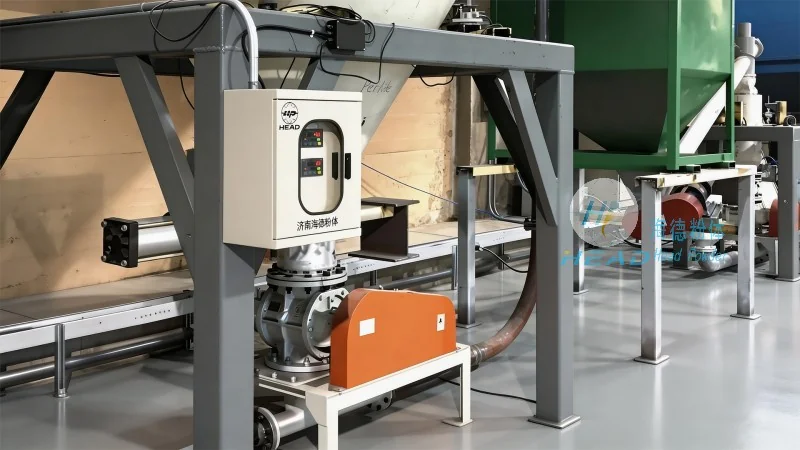
The core principle of pneumatic conveying involves the use of compressed air to transport salt particles through a sealed pipeline. There are two primary modes of pneumatic conveying: dilute-phase and dense-phase. Dilute-phase systems use low air velocity to move salt particles in a suspended state, while dense-phase systems employ higher air velocity and pressure to push the material in a more compact form. For edible salt, the choice of system depends on factors such as the required conveying distance, material characteristics, and the need to maintain product purity. The system typically includes components like a hopper, feeder, air compressor, pipeline, and receiver. The hopper stores the salt, and the feeder controls the flow rate. The air compressor generates the necessary pressure to move the salt through the pipeline. The receiver collects the conveyed salt at the destination. This process ensures that the salt remains in a dry, clean state, minimizing the risk of moisture absorption or contamination.
Working Scene Characteristics and Applications
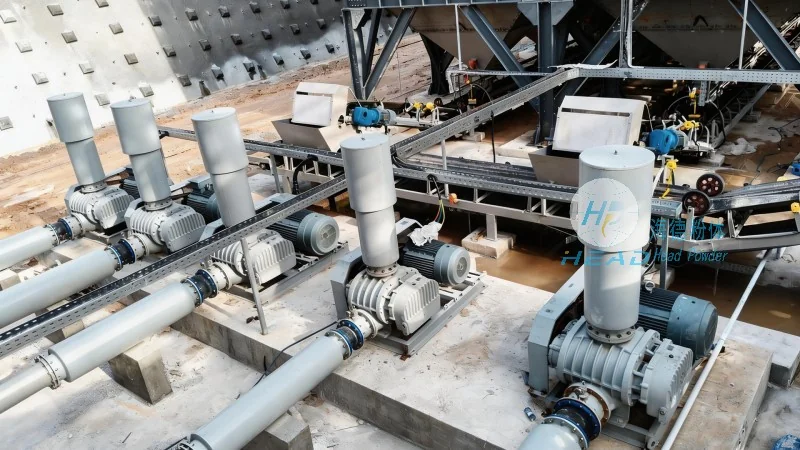
The operational environment of edible salt pneumatic conveying systems is characterized by several key factors that influence their design and performance. First, the material handling requirements vary based on the application. For example, in food processing plants, the system must adhere to strict hygiene standards, with components made from food-grade materials and easy-to-clean surfaces. In contrast, industrial salt handling may prioritize durability and efficiency over strict hygiene, though modern systems often incorporate both features. Second, the conveying distance and elevation changes affect the system's design. Longer distances or significant vertical lifts may require higher air pressure or additional booster units to maintain material flow. Third, the system's integration with other processing equipment is crucial. Edible salt is often used in conjunction with other ingredients, so the conveying system must be compatible with existing production lines, ensuring seamless material transfer. Applications of these systems include salt storage and distribution, blending with other food additives, and transportation to packaging lines. The ability to handle large volumes of salt efficiently and safely makes pneumatic conveying an ideal solution for modern food processing facilities.
Advantages of Using Pneumatic Conveying for Edible Salt
Compared to traditional conveying methods, pneumatic systems offer several advantages that make them preferable for edible salt handling. One of the most significant benefits is the reduction in material degradation. Since the salt is transported in a sealed system, it is protected from moisture, dust, and contaminants, preserving its quality and flavor. This is particularly important for food-grade salt, where any impurities can affect the final product. Another advantage is the improved hygiene and safety. The enclosed pipeline design minimizes human contact with the material, reducing the risk of cross-contamination and ensuring compliance with food safety regulations. Additionally, pneumatic systems are more energy-efficient than some traditional methods, especially for short to medium conveying distances. They also offer greater flexibility in terms of layout, as the pipeline can be arranged to follow the existing plant structure without the need for extensive ground-level infrastructure. The ability to handle different salt types, such as fine or coarse granules, without compromising performance is another key benefit. Overall, the advantages of pneumatic conveying systems make them a cost-effective and reliable choice for businesses in the edible salt industry.
Conclusion and Future Outlook
Edible salt pneumatic conveying systems, as exemplified by the solutions from Shandong HeadPowder Engineering Co., Ltd., represent a cutting-edge approach to material handling in the food industry. By leveraging the principles of pneumatic transport, these systems ensure the safe, efficient, and hygienic movement of salt, meeting the demands of modern food processing. The company's expertise in designing customized solutions, combined with its commitment to quality and innovation, positions it as a leader in the field. As the food industry continues to evolve, the demand for advanced material handling technologies will only increase, and pneumatic conveying systems will remain a vital component in maintaining the quality and safety of edible salt products. For businesses seeking reliable and efficient salt handling solutions, the pneumatic conveying system offers a proven and effective approach that aligns with industry standards and customer expectations.