

Principle and Working Scene Characteristics of Monosodium Glutamate Powder Pneumatic Conveying
Monosodium glutamate (MSG) powder, a widely used flavor enhancer in the food industry, often requires efficient and reliable material handling solutions during production, storage, and transportation. Pneumatic conveying technology has emerged as a key method for transporting MSG powder, offering advantages such as dust-free operation, hygienic conditions, and flexible system configurations. This article explores the fundamental principles of MSG powder pneumatic conveying and highlights the distinct characteristics of its application scenarios.
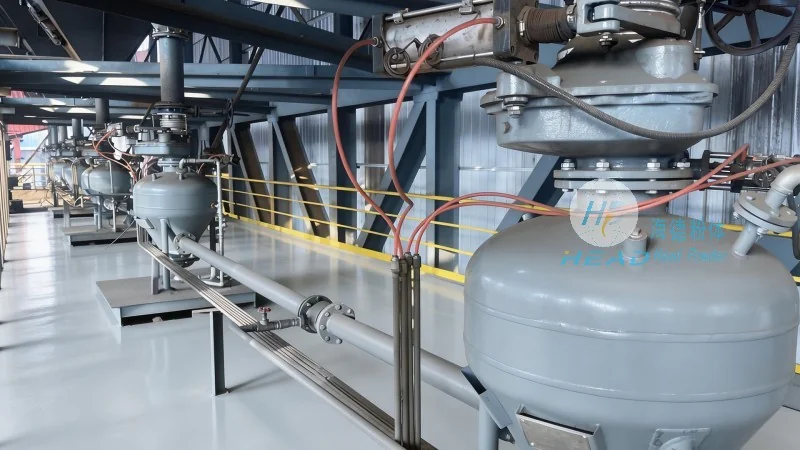
1. Basic Principles of Pneumatic Conveying for MSG Powder
Pneumatic conveying involves the transport of solid particles, like MSG powder, through a pipeline using a gas stream, typically air. The process can be categorized into two main types: pressure conveying and vacuum (or suction) conveying. In pressure conveying systems, a positive pressure is generated at the material inlet, pushing the powder through the pipeline. This method is suitable for short to medium-distance transport and is often used when the material needs to be moved from a storage silo to a processing unit. Vacuum conveying, on the other hand, uses a negative pressure to draw the powder from the source, making it ideal for longer distances or when the material is located at a higher elevation. Both systems rely on a series of components, including a feeder (to control the flow rate of the powder), a pipeline network, a separator (to separate the powder from the air), and a receiver (to collect the material at the destination). The selection of the conveying type and system design depends on factors such as the distance between the source and destination, the volume of material to be transported, and the required system efficiency.
2. Key Components and Their Functions in MSG Powder Pneumatic Conveying Systems
A well-designed pneumatic conveying system for MSG powder consists of several critical components, each playing a vital role in ensuring smooth operation and maintaining product quality. The feeder is the first component in the system, responsible for feeding the MSG powder into the pipeline at a consistent rate. For MSG powder, which is typically fine and can be prone to bridging or caking in silos, a rotary valve or a star feeder is commonly used to prevent blockages and ensure a steady flow. The pipeline network connects the feeder to the separator and the receiver, and its diameter and length are carefully selected to minimize pressure drop and energy consumption. The separator is a crucial component that separates the powder from the air stream. In pressure systems, a cyclone separator is often employed, while in vacuum systems, a filter or a baghouse is used. These separators must be designed to handle the fine particles of MSG powder without causing excessive pressure loss or product loss. The receiver is the final component, where the MSG powder is collected after being separated from the air. It is typically a storage silo or a processing hopper, and its design must ensure that the powder is discharged smoothly without re-entrainment of air or dust.
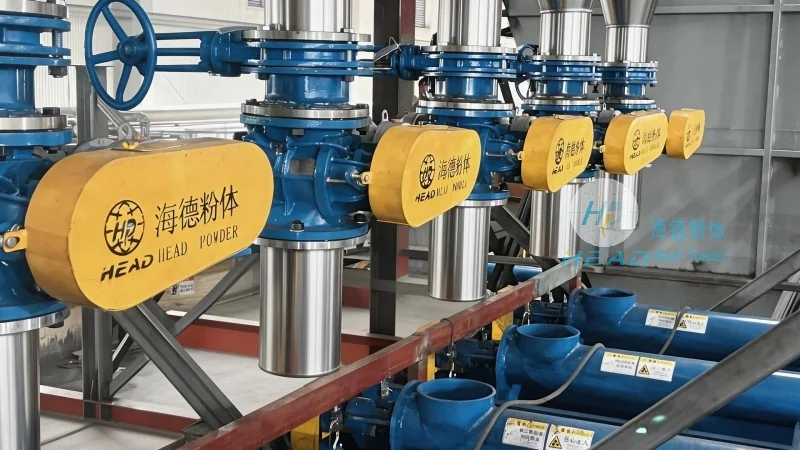
3. Working Scene Characteristics of MSG Powder Pneumatic Conveying
The application of pneumatic conveying for MSG powder varies across different industrial scenarios, each with its own unique requirements and benefits. In the context of MSG production facilities, the system is often used to transport the powder from bulk storage silos to the production lines, where it is mixed with other ingredients to create flavoring products. This scenario demands high efficiency and reliability, as any downtime in the conveying process can disrupt the entire production schedule. The closed system design of pneumatic conveying helps maintain the hygienic standards required for food-grade products, preventing contamination from external sources and minimizing dust exposure for operators. Another common application is the transport of MSG powder from processing units to packaging lines. Here, the system must handle varying flow rates and ensure that the powder is delivered to the packaging equipment without clogging or spillage. The flexibility of pneumatic conveying systems allows for easy integration with existing production lines, making it a preferred choice for many manufacturers.
4. Advantages and Considerations for MSG Powder Pneumatic Conveying
Compared to traditional mechanical conveying methods, such as screw conveyors or bucket elevators, pneumatic conveying offers several advantages for MSG powder handling. The most significant benefit is the dust-free operation, which is essential for maintaining a clean and safe working environment in food processing facilities. Additionally, the closed system design prevents product contamination and reduces the risk of cross-contamination between different batches of MSG powder. Another advantage is the ability to transport MSG powder over long distances without the need for multiple transfer points, which can improve overall system efficiency and reduce maintenance costs. However, pneumatic conveying also has some considerations that must be addressed. For instance, the system requires a significant amount of energy to operate, especially for vacuum conveying over long distances. Moreover, the fine nature of MSG powder can lead to high pressure drop in the pipeline, which may necessitate larger-diameter pipes or more powerful blowers. Proper system design and maintenance are crucial to mitigate these issues and ensure the long-term performance of the conveying system.
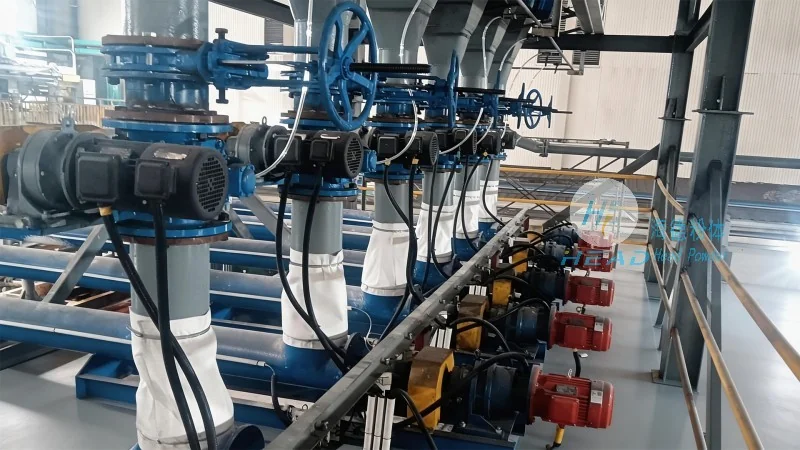
5. Case Study: Application of Pneumatic Conveying in a Shandong-Based MSG Production Facility
Shandong HeadPowder Engineering Co., Ltd. (headpowder), a leading provider of material handling solutions in China, has successfully implemented a pneumatic conveying system for an MSG production plant located in Shandong Province. The system was designed to transport 50 tons of MSG powder per hour from a storage silo to the production line, covering a distance of approximately 200 meters. The system utilized a pressure conveying approach with a rotary valve feeder and a cyclone separator. The results showed a significant improvement in production efficiency, with the conveying process taking less than 2 minutes per batch compared to the previous mechanical method, which required about 10 minutes. The closed system design also helped maintain the hygienic standards, as the plant achieved a dust-free environment in the conveying area, reducing the risk of product contamination. The success of this project highlights the effectiveness of pneumatic conveying in MSG powder handling and underscores the expertise of headpowder in designing and implementing such systems.
6. Conclusion: The Role of Pneumatic Conveying in Modern MSG Powder Handling
Pneumatic conveying has become an indispensable technology in the handling of MSG powder, offering a reliable and efficient solution for various industrial applications. By understanding the fundamental principles of the technology and the characteristics of different working scenarios, manufacturers can optimize their material handling processes and improve overall productivity. The closed and hygienic nature of pneumatic conveying systems is particularly important in the food industry, where product quality and safety are paramount. As the demand for MSG powder continues to grow, the adoption of advanced pneumatic conveying systems will likely increase, driven by the need for higher efficiency, lower maintenance costs, and improved product quality. For companies operating in the MSG industry, investing in a well-designed pneumatic conveying system can provide a competitive edge and ensure long-term success in the market.