

Principle and Working Scene Characteristics of Pelletized Material Pneumatic Conveying
For industrial applications involving the transport of pelletized materials, understanding the principles and operational characteristics of pneumatic conveying systems is crucial. This article explores the fundamental mechanisms behind pellet pneumatic conveying, alongside key working scene characteristics that define its effectiveness and suitability in various industrial settings.
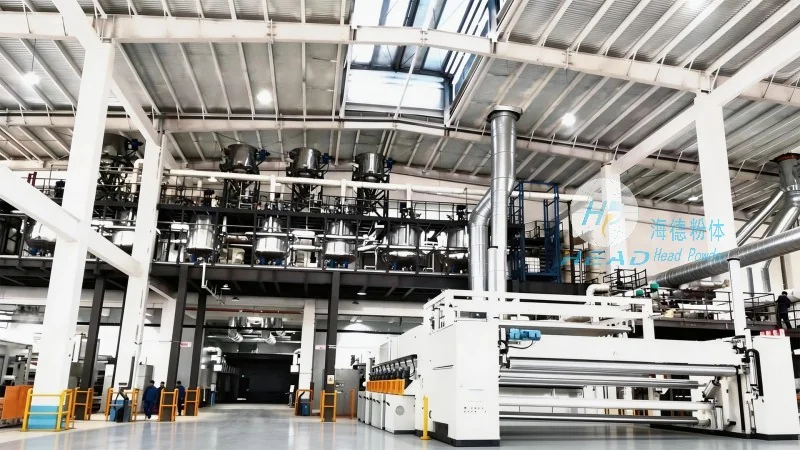
Introduction to Pellet Pneumatic Conveying
Pellet pneumatic conveying is a method used to transport bulk materials, such as pelletized powders or granules, through a pipeline using a stream of air or other gas. This technology offers a dust-free, efficient, and flexible solution for material handling, particularly in industries like construction, agriculture, and manufacturing where pelletized materials are commonly used.
Core Principles of Pellet Pneumatic Conveying
The operation of pellet pneumatic conveying systems is based on the principles of fluidization and drag. In a typical system, the pelletized material is introduced into a hopper or feeder, where it is then drawn into a pipeline by a vacuum or pressure source. The air or gas stream creates a flow that lifts and transports the pellets through the pipeline to the destination point. The key components of such a system include the hopper, feeder, pipeline, and receiver, each playing a critical role in ensuring efficient material transport.
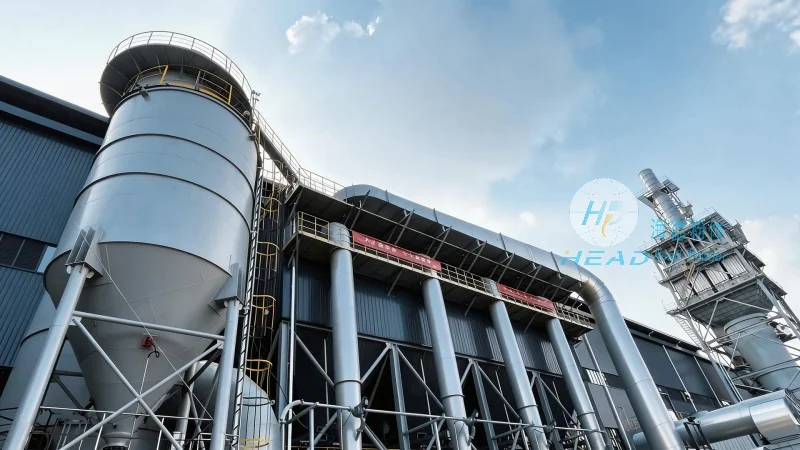
Working Scene Characteristics and Applications
The suitability of pellet pneumatic conveying for specific applications is determined by several working scene characteristics. These include the material's physical properties, such as particle size, density, and moisture content, as well as the required transport distance and flow rate. For example, in construction material handling, pellet pneumatic conveying is ideal for transporting lightweight aggregates like expanded clay or perlite, where dust control and low maintenance are essential. Similarly, in agricultural settings, it can be used to transport pelletized fertilizers or animal feed, ensuring hygienic and efficient distribution.
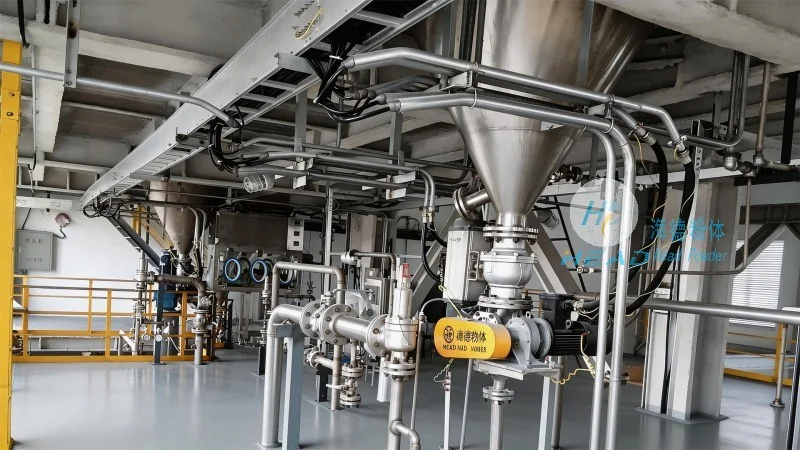
Advantages in Industrial Environments
One of the primary advantages of pellet pneumatic conveying is its ability to operate in a closed system, which significantly reduces dust emissions and improves workplace safety. This is particularly important in industries where material dust can pose health risks or interfere with other processes. Additionally, the system's flexibility allows for easy integration with existing production lines and can accommodate changes in material flow requirements without major modifications.
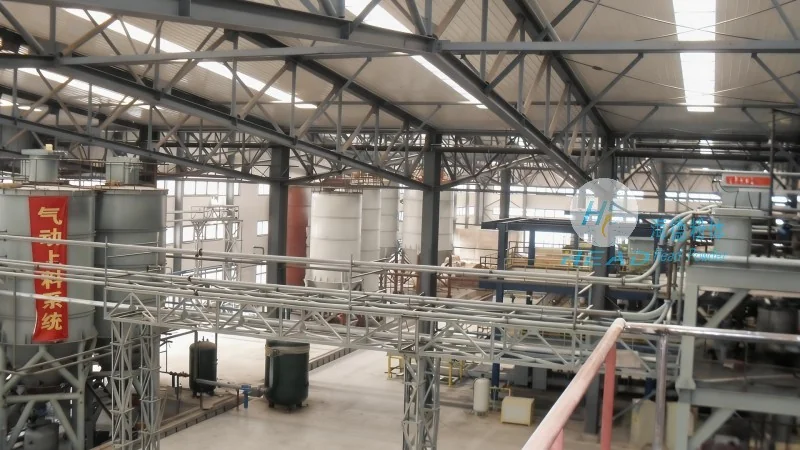
Company Profile: Shandong HeadPowder Engineering Co., Ltd.
As a leading provider of material handling solutions, Shandong HeadPowder Engineering Co., Ltd. specializes in designing and manufacturing advanced pneumatic conveying systems tailored to the needs of various industries. With a focus on innovation and customer satisfaction, the company has established itself as a trusted partner for businesses seeking reliable and efficient material transport solutions. HeadPowder's expertise in pellet pneumatic conveying ensures that clients receive systems that are optimized for their specific operational requirements, delivering long-term performance and cost savings.
Conclusion
Pellet pneumatic conveying represents a sophisticated and efficient method for handling pelletized materials in industrial applications. By understanding its core principles and working scene characteristics, businesses can leverage this technology to enhance operational efficiency, improve safety, and reduce environmental impact. With companies like Shandong HeadPowder Engineering Co., Ltd. offering specialized solutions, the implementation of pellet pneumatic conveying systems has become more accessible and effective for a wide range of industrial needs.