

Principle and Working Scene Characteristics of Pneumatic Rice Conveying
HeadPowder, a leading engineering company based in Shandong, China, specializes in the design and implementation of pneumatic conveying systems for rice handling. Pneumatic rice conveying is a method that uses air pressure to transport rice and other granular materials from one location to another, offering a efficient and hygienic solution for various industrial applications. This technology has become increasingly popular in the rice processing industry due to its ability to minimize product contamination, reduce labor costs, and enhance overall operational efficiency.
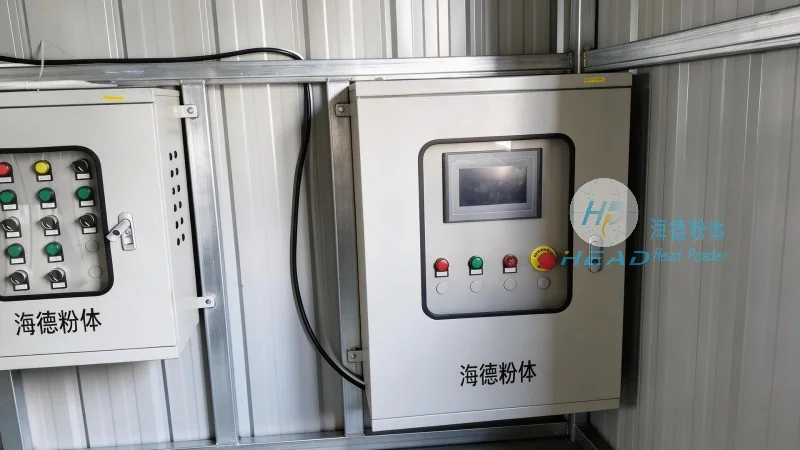
The Fundamental Principle of Pneumatic Rice Conveying
The core principle of pneumatic rice conveying involves the use of a pressure differential to move rice particles through a pipeline. The system typically consists of a blower or compressor that generates the necessary air pressure, a hopper or feeder to supply the rice, and a conveying line that transports the material. As rice enters the conveying line, it is suspended by the moving air and carried to the destination. The air flow can be either positive pressure (where air is pushed through the line) or negative pressure (where air is drawn through the line). For rice, positive pressure systems are more commonly used as they provide better control over the material flow and reduce the risk of dust accumulation.
Key Components and Their Functions in a Pneumatic Rice Conveying System
A typical pneumatic rice conveying system includes several critical components that work together to ensure smooth operation. The blower or compressor is responsible for generating the air pressure, which can range from low to high pressure depending on the distance and volume of rice to be transported. The hopper or feeder is designed to hold the rice and release it in a controlled manner, preventing blockages and ensuring a consistent flow. The conveying line, usually made of stainless steel or other corrosion-resistant materials, is where the rice travels through the air stream. The line may include bends, elbows, and other fittings that are carefully designed to minimize pressure loss and maintain the air flow. Additionally, a filter or cyclone separator is often used to remove any rice particles from the exhaust air, ensuring that the system remains clean and efficient.
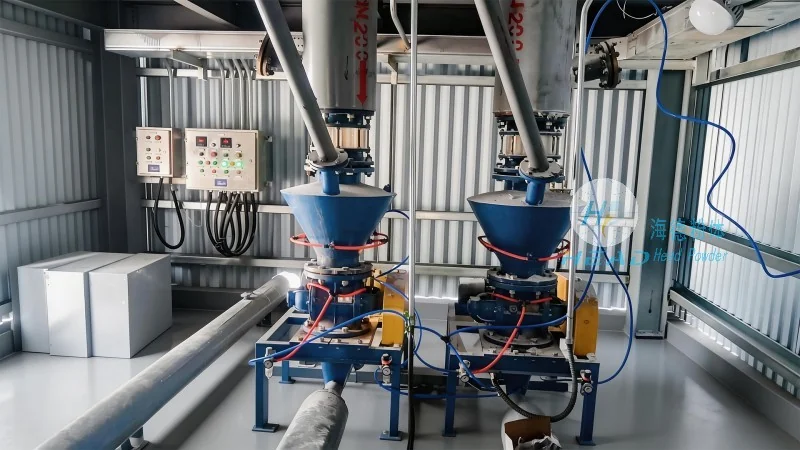
Working Scene Characteristics: Applications and Benefits
Pneumatic rice conveying is widely used in various working scenes within the rice processing industry. One common application is in rice mills, where the system is used to transport raw rice from storage silos to processing equipment such as cleaners, dehuskers, and polishers. The ability to move rice without direct contact with the material reduces the risk of contamination and improves the quality of the final product. Another application is in bulk handling facilities, where the system is used to transport rice from storage tanks to packaging lines or to different processing stages. The flexibility of pneumatic conveying allows for easy integration into existing production lines, making it a cost-effective solution for many rice processing operations.
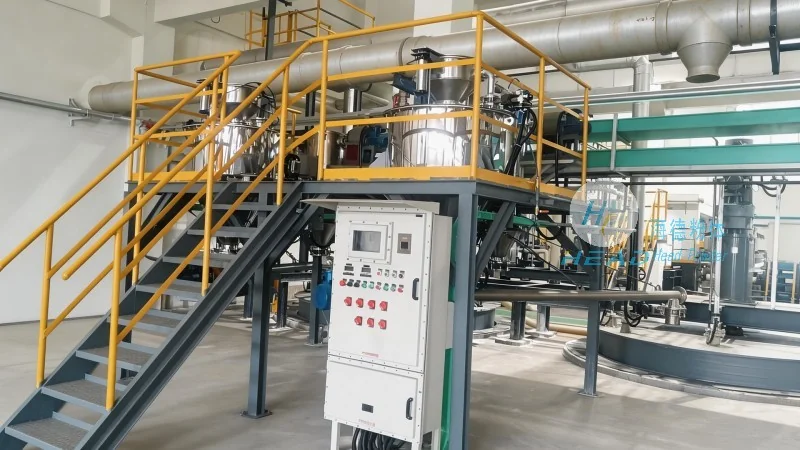
Advantages of Pneumatic Rice Conveying in Industrial Settings
There are several advantages that make pneumatic rice conveying an attractive option for rice handling. First, it provides a hygienic and clean method of transporting rice, as the material is not in direct contact with the conveying equipment. This reduces the risk of bacterial growth and contamination, which is crucial for food safety standards. Second, the system is highly efficient, as it can transport large volumes of rice over long distances with minimal labor. The use of air pressure allows for continuous operation, reducing downtime and increasing productivity. Third, pneumatic conveying systems are relatively easy to install and maintain, with most components being accessible for routine checks and repairs. The modular design of these systems also allows for easy expansion or modification as production needs change.
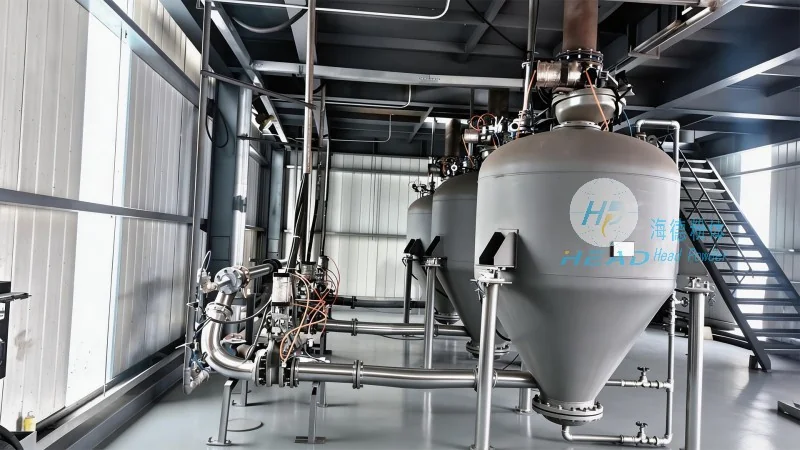
Customization and Scalability: Meeting Diverse Operational Needs
HeadPowder understands that each rice processing facility has unique operational needs, which is why they offer customized pneumatic conveying solutions tailored to specific requirements. Whether a facility needs to transport rice over short distances or long distances, or requires a system that can handle varying volumes, HeadPowder's engineering team can design a solution that meets those needs. The company's expertise in material handling and pneumatic systems allows them to create systems that are not only efficient but also cost-effective. Additionally, HeadPowder's systems are scalable, meaning they can be expanded or modified as the facility's production capacity increases. This flexibility ensures that the investment in a pneumatic conveying system remains valuable over the long term.
Conclusion: The Role of Pneumatic Rice Conveying in Modern Rice Processing
In conclusion, pneumatic rice conveying is a vital technology in the modern rice processing industry. Its ability to provide efficient, hygienic, and cost-effective transportation of rice makes it an essential component of many rice mills and bulk handling facilities. HeadPowder, with its headquarters in Shandong, China, has established itself as a leader in the design and implementation of these systems, offering customized solutions that meet the diverse needs of rice processing operations. By leveraging the principles of pneumatic conveying, rice processing facilities can improve their operational efficiency, maintain product quality, and ensure compliance with food safety standards.