

Principle and Application Scenarios of Powdered Coal Pneumatic Conveying
Powdered coal pneumatic conveying is a critical industrial process used to transport coal powder through a pipeline system using air as the conveying medium. This method offers significant advantages over traditional mechanical conveying systems, such as reduced material handling costs, improved safety, and enhanced operational efficiency. The technology is widely adopted in various industrial sectors, including power generation, cement production, and chemical processing, where large volumes of coal powder need to be transported over considerable distances.
The Fundamental Principle of Pneumatic Conveying
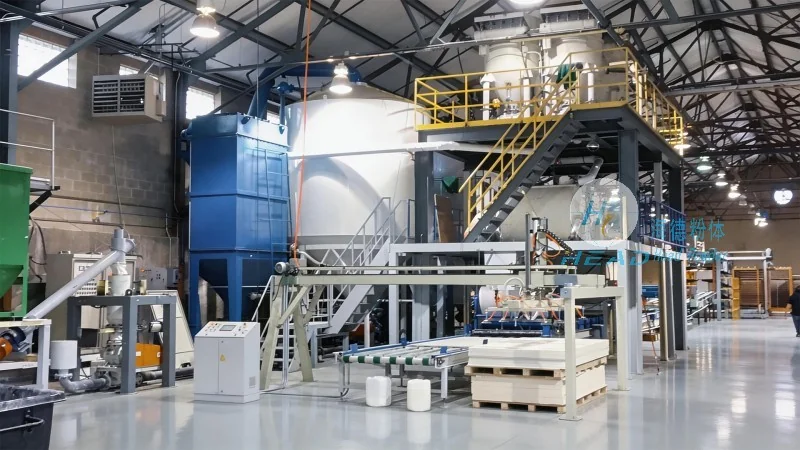
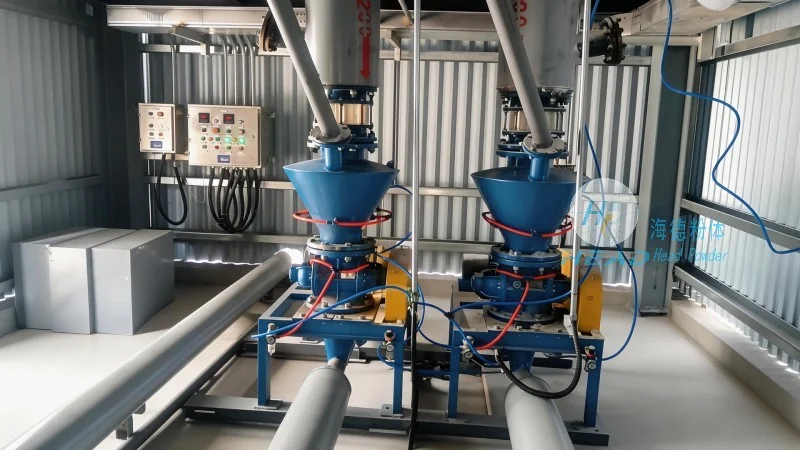
The core principle of powdered coal pneumatic conveying involves the creation of a pressure differential between the inlet and outlet of the conveying line. Air is introduced into the system at a controlled pressure, typically through a blower or fan, which generates sufficient velocity to lift and transport the coal particles. The conveying medium, often a mixture of air and coal powder, flows through the pipeline under pressure, ensuring that the coal particles remain suspended and move towards the destination. The system typically consists of several key components, including a hopper for material storage, a feeder to control the flow rate, a conveying line, and a receiver for material discharge. The design of these components is crucial for optimizing the conveying efficiency and minimizing energy consumption.
Key Components and Their Functions
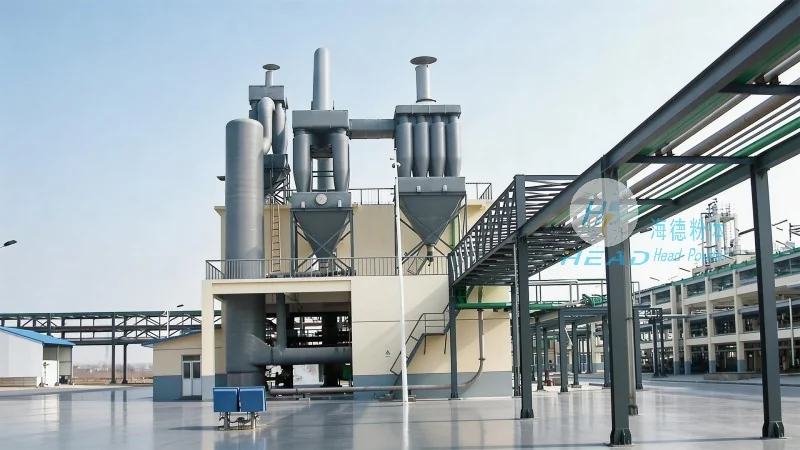
1. Hopper: The hopper serves as the storage container for the powdered coal, providing a stable and controlled feed source. It is designed with a conical or rectangular shape to facilitate uniform material discharge and prevent clogging. The hopper is equipped with a discharge valve or feeder mechanism to regulate the flow of coal into the conveying line. 2. Feeder: The feeder is responsible for controlling the rate at which coal is introduced into the conveying line. Common types include rotary valves, screw feeders, and vibratory feeders. The feeder ensures a consistent and controlled flow of coal, which is essential for maintaining stable conveying conditions and preventing surges or blockages in the system. 3. Conveying Line: The pipeline is the primary component that transports the coal powder. It is typically made of materials such as stainless steel, PVC, or polyethylene, depending on the specific application and environmental conditions. The line is designed to withstand the pressure and temperature of the conveying process, and its diameter is chosen based on the required flow rate and particle size of the coal. 4. Receiver: The receiver is the terminal point of the conveying system, where the coal powder is deposited. It is usually a hopper or storage bin designed to collect the material and prevent spillage. The receiver may also include a dust collection system to control airborne particles and ensure environmental compliance.
Types of Pneumatic Conveying Systems
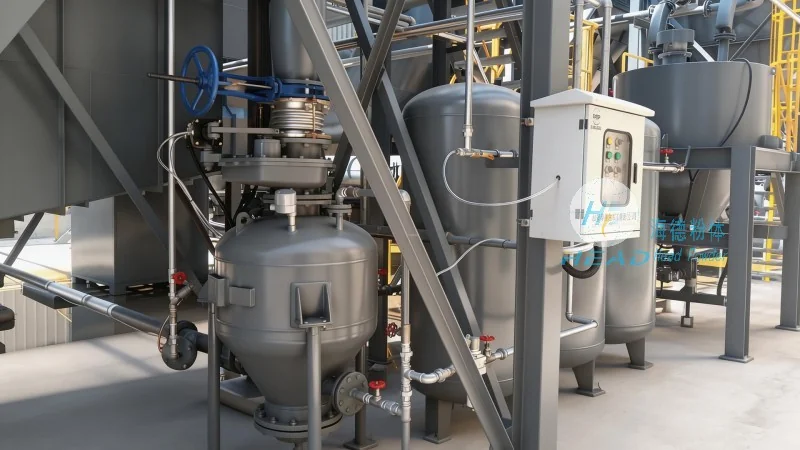
Powdered coal pneumatic conveying systems can be classified into two main categories based on the pressure differential used: 1. Positive Pressure Systems: In this type of system, the conveying line operates under positive pressure, meaning the air pressure inside the line is higher than the ambient air pressure. The air is introduced at the inlet of the system, and the coal particles are lifted and transported by the moving air. Positive pressure systems are commonly used for short to medium distance conveying and are suitable for applications where the material is relatively dry and free-flowing. 2. Negative Pressure (Vacuum) Systems: Negative pressure systems operate by creating a vacuum at the outlet of the conveying line, which draws the air and coal particles into the system. The air is then expelled from the system through a filter or dust collector. This type of system is typically used for longer distance conveying or when the material contains moisture or is prone to dust generation. The vacuum system is more effective in controlling dust emissions and is often preferred in applications where environmental regulations are stringent.