

Principle and Working Scene Characteristics of Potassium Chloride Pneumatic Conveying
HeadPowder, a leading provider in the field of material handling solutions, specializes in advanced pneumatic conveying systems for various industrial applications. This article delves into the fundamental principles of potassium chloride pneumatic conveying and highlights the key characteristics of its operational scenarios, offering insights into how this technology efficiently handles potassium chloride in industrial settings.
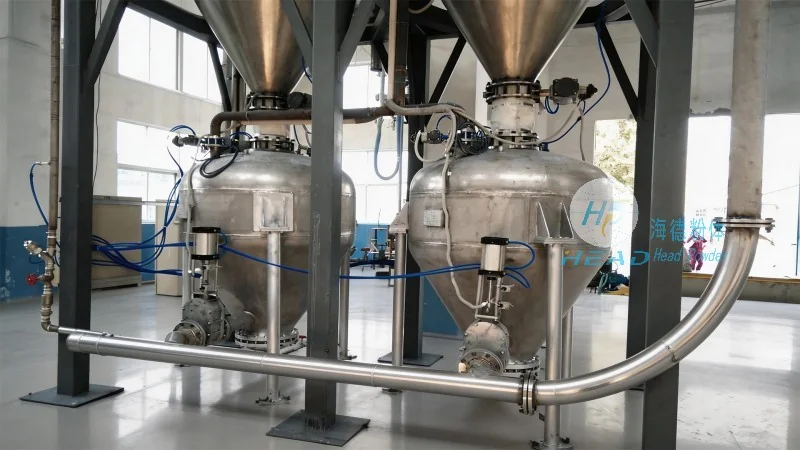
Understanding the Core Principle of Potassium Chloride Pneumatic Conveying
Potassium chloride pneumatic conveying relies on the movement of material through a pipeline using a gas stream, typically air or other gases. The system operates by creating a pressure differential that propels the solid particles of potassium chloride through the conveying line. There are two primary modes of operation: suction (or vacuum) conveying and pressure conveying. In suction conveying, a vacuum is created at the material inlet to draw the potassium chloride into the pipeline, while in pressure conveying, compressed air is used to push the material forward. The choice between these modes depends on factors such as the distance to be covered, the material's properties, and the system's design requirements. The core principle involves the interaction between the gas flow and the solid particles, ensuring efficient transport while minimizing material degradation and system wear.
Key Working Scene Characteristics of Potassium Chloride Pneumatic Conveying Systems
The operational characteristics of potassium chloride pneumatic conveying systems are tailored to meet the demands of specific industrial environments. These systems are designed to handle bulk quantities of potassium chloride, often used in fertilizer production, chemical processing, and mining operations. The working scene characteristics include high throughput capabilities, which allow for the continuous and rapid transport of large volumes of material. Additionally, the systems are engineered for durability and reliability, with components such as robust pipelines, efficient air compressors, and specialized valves that can withstand the abrasive nature of potassium chloride particles. Another critical characteristic is the ability to maintain material purity, as the enclosed pipeline design prevents contamination from external sources. This is particularly important in applications where the quality of the potassium chloride is paramount, such as in food-grade or pharmaceutical-grade production. Furthermore, the systems are often integrated with automation and control systems, enabling precise regulation of flow rates, pressure, and temperature to optimize performance and ensure safety.
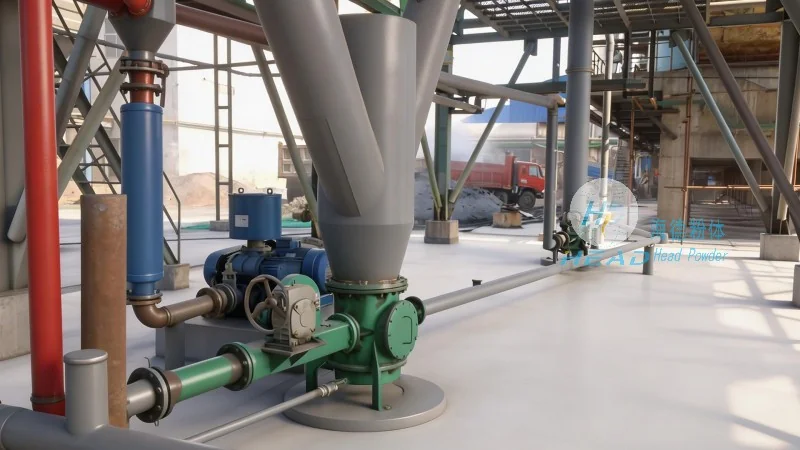
Application Scenarios and Industry Integration
Potassium chloride pneumatic conveying systems are widely applied in various industrial sectors, primarily in the agricultural and chemical industries. In fertilizer manufacturing, these systems are used to transport raw potassium chloride from storage silos to processing units, ensuring a seamless and efficient supply chain. The systems are also utilized in chemical plants where potassium chloride is a key raw material for producing other chemicals, such as potassium nitrate or potassium sulfate. The working scene characteristics, including high efficiency and low maintenance requirements, make them suitable for continuous production lines. Moreover, the systems are adaptable to different scales, from small-scale operations to large industrial facilities, providing flexibility in handling varying production volumes. The integration of pneumatic conveying with other material handling equipment, such as hoppers and feeders, enhances the overall operational efficiency of the production process. This integration ensures that the potassium chloride is transferred smoothly from one stage to the next, reducing bottlenecks and improving productivity.
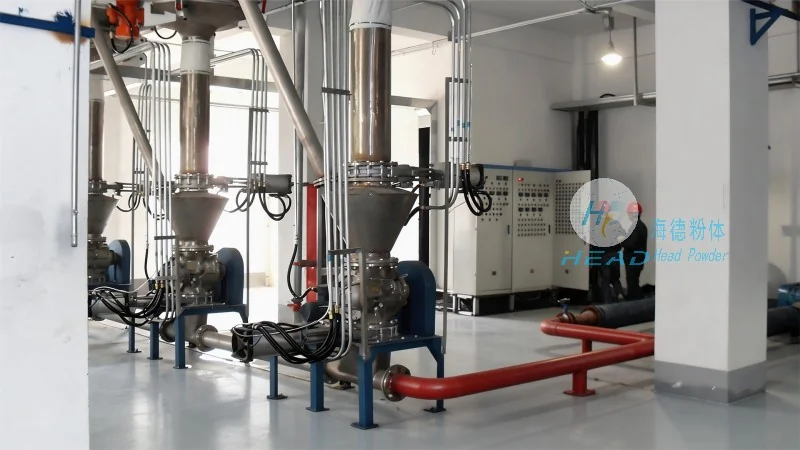
Technical Advantages and Operational Efficiency
The technical advantages of potassium chloride pneumatic conveying systems contribute significantly to their widespread adoption in industrial applications. One of the primary benefits is the ability to transport material over long distances without the need for intermediate storage or manual handling. This reduces the risk of material loss and contamination, as well as minimizing labor costs associated with manual loading and unloading. The systems also offer flexibility in terms of layout, as the pipelines can be installed in various configurations to suit the specific requirements of the facility. Another key advantage is the energy efficiency of the system, particularly when using suction conveying, which consumes less power compared to traditional mechanical conveying methods. The use of advanced materials and design techniques further enhances the system's durability, reducing the frequency of maintenance and downtime. Overall, the operational efficiency of potassium chloride pneumatic conveying systems is enhanced by their ability to maintain consistent flow rates, minimize material degradation, and provide reliable performance under varying operational conditions.
Conclusion and Company Overview
HeadPowder Engineering Co., Ltd., based in Shandong, China, is a prominent manufacturer and supplier of advanced material handling solutions, including pneumatic conveying systems for potassium chloride. The company's expertise lies in designing and implementing customized systems that meet the unique needs of industrial clients. By leveraging cutting-edge technology and rigorous quality control, HeadPowder ensures that its pneumatic conveying systems deliver optimal performance and reliability. The working scene characteristics and technical advantages of these systems make them an ideal choice for industries requiring efficient and safe transport of bulk materials. As a leading player in the field, HeadPowder continues to innovate and provide solutions that enhance operational efficiency and productivity for its clients.