Intelligent centralized material pneumatic conveying lines represent a sophisticated solution for efficient material handling in various industrial applications. These systems are designed to transport bulk materials from multiple sources to a central processing or storage location using compressed air or other gas as the conveying medium. The technology integrates advanced automation and control systems to optimize performance, ensuring reliable and continuous operation while minimizing downtime and operational costs. Developed by Shandong HeadPowder Engineering Co., Ltd., a leading manufacturer based in China, these systems are engineered to meet the diverse needs of modern industrial operations.
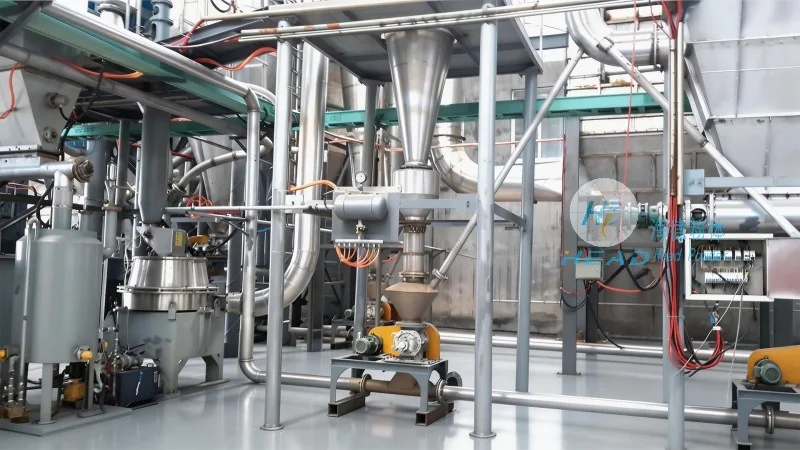
Overview of the Intelligent Centralized Material Pneumatic Conveying Line
The intelligent centralized material pneumatic conveying line is a comprehensive system designed for the efficient transfer of bulk materials such as powders, granules, and fine particles. It features a network of conveying pipes, feeding hoppers, and control units that work in coordination to manage material flow from multiple feeding points to a central collection or processing destination. The system is commonly employed in industries like food processing, pharmaceuticals, chemicals, and manufacturing, where the need for clean, safe, and automated material handling is paramount. The design allows for seamless integration with existing production lines and can be customized to accommodate varying material types, quantities, and operational requirements.
Key Components and Their Functions
The intelligent centralized material pneumatic conveying line comprises several critical components, each contributing to the system's overall functionality and reliability:
1. Feeding Hoppers: These are storage containers that hold the bulk material and feed it into the conveying system. Equipped with level sensors and control valves, they regulate the material flow rate to prevent overfilling or underflow, ensuring consistent material supply to the pneumatic line.
2. Pneumatic Conveying Pipes: The main conduits through which the material is transported. Typically constructed from stainless steel or other corrosion-resistant materials, these pipes are designed to withstand the abrasive nature of the conveyed materials and the effects of compressed air, maintaining durability and preventing material buildup.
3. Compressed Air System: This includes air compressors, filters, and regulators that generate and condition the air used for conveying. The system ensures a consistent air pressure and quality, which is essential for maintaining the efficiency and reliability of the conveying process. Advanced models may incorporate energy-saving features like variable frequency drives.
4. Control Unit and Automation Systems: Modern intelligent systems feature advanced control panels and software that monitor and control all aspects of operation. These systems utilize sensors, programmable logic controllers (PLCs), and human-machine interfaces (HMIs) to adjust parameters such as air pressure, material flow rate, and conveyor speed in real-time. The automation ensures optimal performance, reduces human intervention, and enables remote monitoring and diagnostics.
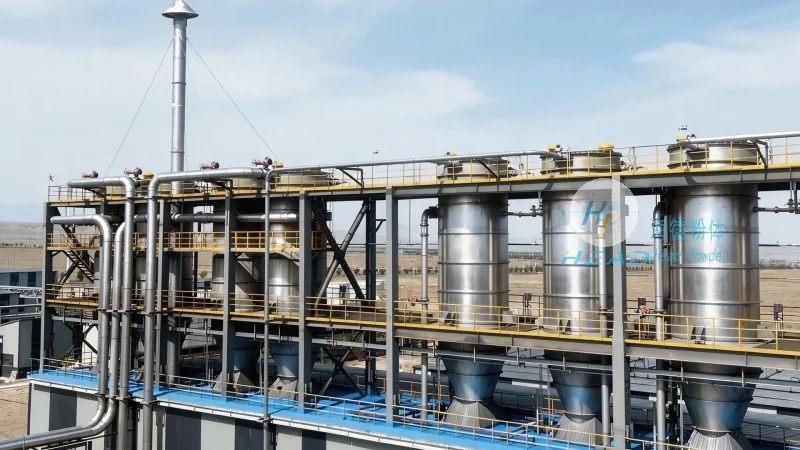
Operation Process of the Intelligent Centralized Material Pneumatic Conveying Line
The operation of the intelligent centralized material pneumatic conveying line follows a systematic sequence of steps, from material loading to final delivery. The process can be broken down into the following stages:
1. Material Loading: The bulk material is loaded into the feeding hoppers from source containers. Level sensors detect the material level and signal the control unit when the hopper is full or requires refilling, ensuring continuous operation without interruption.
2. Initial Conveying: When the control unit receives a start signal, the compressed air system activates, and the material is drawn from the hopper into the conveying pipe. The air pressure and flow rate are adjusted based on the material characteristics (e.g., density, moisture content) and the distance to be covered, optimizing the conveying efficiency.
3. Material Transport: The material is carried through the pneumatic pipes by the air flow. The system may employ different conveying modes, such as dilute phase (where particles are suspended in air) or dense phase (where particles are more concentrated), depending on the material properties and delivery requirements. The intelligent control system continuously monitors pressure and flow within the pipes to ensure smooth transport and prevent blockages.
4. Delivery to Central Point: The material is transported to the central collection point or processing equipment. The control unit adjusts the flow rate and pressure to match the receiving equipment's requirements, ensuring a seamless transfer without material loss or contamination. The system may include diverting valves or multiple outlet points to direct material to different destinations as needed.
5. System Monitoring and Adjustment: Throughout operation, the automation system continuously monitors key parameters such as air pressure, material flow rate, and pipe pressure. If any deviations are detected, the system automatically adjusts settings to maintain optimal performance. This real-time monitoring minimizes downtime, reduces energy consumption, and ensures consistent material delivery.
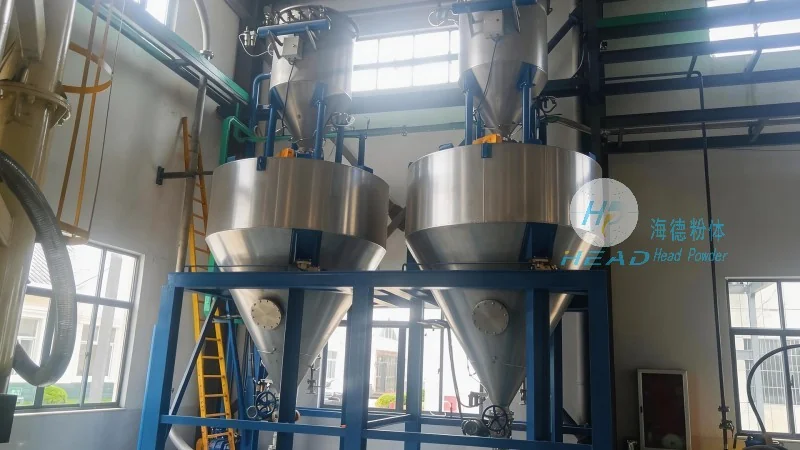
Working Principle of the Intelligent Centralized Material Pneumatic Conveying Line
The working principle of the intelligent centralized material pneumatic conveying line is based on fluid dynamics and material transport physics. The system utilizes compressed air to create a flow that moves material particles through the conveying pipes. The core principles include:
1. Fluidization: Compressed air is introduced into the conveying pipe at a sufficient velocity to fluidize the material particles, turning them into a suspended state. This allows the material to be transported as a slurry of air and particles rather than as a solid block, reducing friction and improving flow characteristics.
2. Pressure Drop: The system maintains a pressure drop along the conveying line, which provides the necessary force to move the material from the feeding point to the delivery point. The pressure drop is controlled by the air flow rate and the length of the conveying pipe, ensuring consistent material transport.
3. Controlled Flow: The intelligent control system regulates the air flow and material feed rate to maintain a stable and consistent flow. This prevents issues such as material buildup, blockages, or excessive air consumption, which could reduce system efficiency. The adaptive control adjusts parameters based on real-time conditions to optimize performance.
4. Energy Efficiency: The advanced automation and control features of the intelligent system optimize energy usage by adjusting air pressure and flow rate according to actual conveying requirements. This reduces energy costs and contributes to the overall sustainability of the operation. The system may also incorporate energy recovery mechanisms in some designs.
Benefits of the Intelligent Centralized Material Pneumatic Conveying Line
Implementing an intelligent centralized material pneumatic conveying line offers numerous advantages for industrial operations:
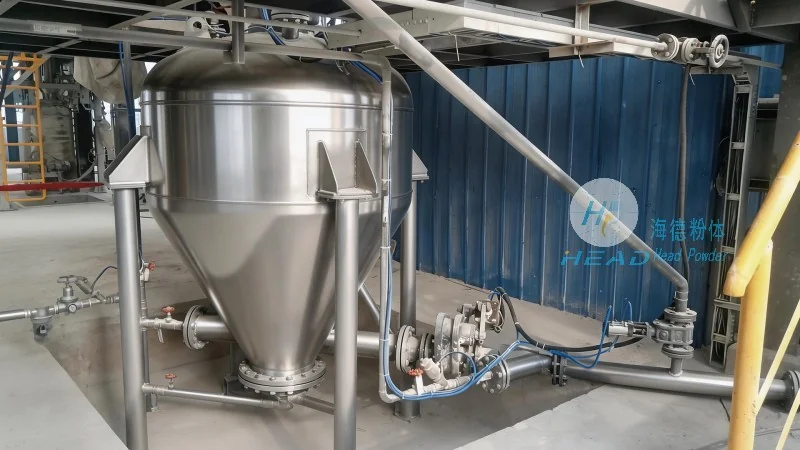
1. Increased Efficiency and Productivity: The automated control system ensures continuous and reliable material transfer, reducing downtime and increasing overall production output. The system can handle high material volumes with minimal human intervention, improving operational throughput.
2. Improved Safety: By eliminating manual handling of bulk materials, the system reduces the risk of workplace accidents, such as material spills or inhalation of dust. The enclosed conveying design also minimizes exposure to hazardous materials, enhancing workplace safety.
3. Enhanced Cleanliness and Hygiene: The enclosed design of the pneumatic conveying line prevents dust and material contamination, making it suitable for applications in food processing, pharmaceuticals, and other industries where hygiene is critical. The system can be easily cleaned and maintained to meet regulatory standards.
4. Reduced Maintenance Costs: The intelligent control system provides real-time monitoring and diagnostic capabilities, allowing for proactive maintenance and reducing the likelihood of unexpected breakdowns. The use of corrosion-resistant materials and robust components also extends the system's lifespan, lowering long-term maintenance expenses.
5. Flexibility and Scalability: The modular design of the intelligent centralized material pneumatic conveying line allows for easy expansion or modification to accommodate changing production needs. The system can be integrated with existing facilities or new equipment without significant disruption, providing long-term value and adaptability.
Conclusion
The intelligent centralized material pneumatic conveying line is a cutting-edge solution for efficient and reliable material handling in modern industrial settings. By combining advanced automation, control systems, and fluid dynamics principles, these systems offer significant advantages over traditional material handling methods. The integration of real-time monitoring and adaptive control ensures optimal performance, while the enclosed design enhances safety and hygiene. As industrial demands for efficiency and sustainability continue to grow, the intelligent centralized material pneumatic conveying line remains a vital technology for optimizing material transport processes. Manufactured by Shandong HeadPowder Engineering Co., Ltd. in China, these systems exemplify the latest advancements in material handling technology, delivering superior performance and reliability for industrial applications worldwide.




