

Operation Process and Working Principle of Automatic Inlet and Outlet Material Pneumatic Conveying L
Automatic inlet and outlet material pneumatic conveying lines are advanced industrial systems engineered to efficiently transport bulk materials through an air-driven mechanism. These systems are pivotal in modern manufacturing and processing facilities, offering a reliable, flexible, and hygienic solution for material handling across diverse sectors such as pharmaceuticals, food processing, chemical production, and mining. By leveraging pneumatic principles combined with automated control technologies, these lines ensure seamless material movement from the source to the destination, enhancing overall operational efficiency and reducing manual labor requirements. The technology is developed and manufactured by Shandong HeadPowder Engineering Co., Ltd., a leading provider of industrial material handling solutions based in China.
Core Components and Their Functional Roles
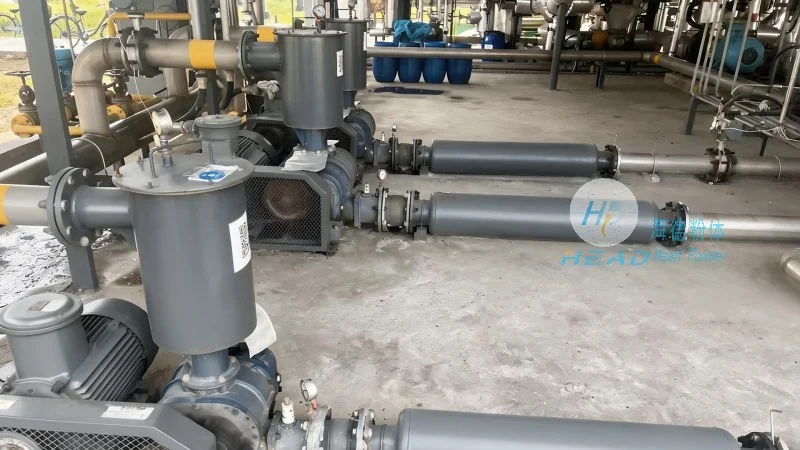
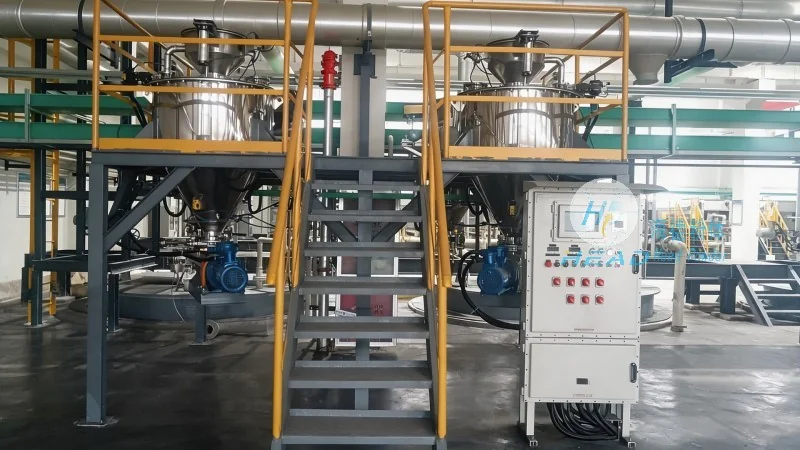
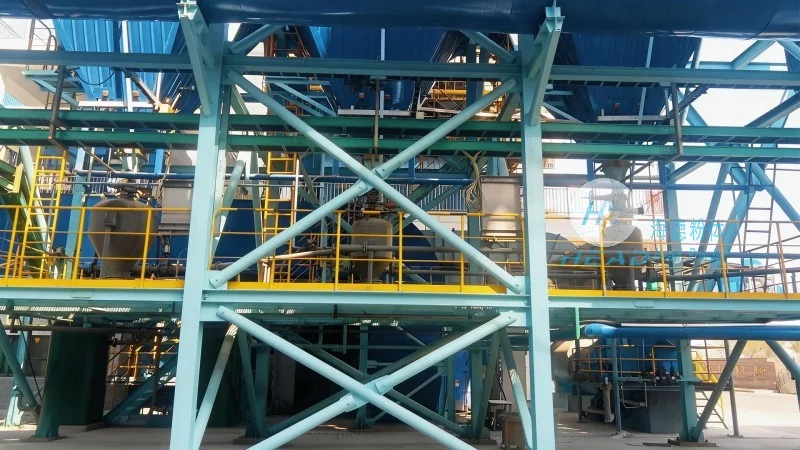
The operation of an automatic inlet and outlet material pneumatic conveying line relies on a series of interconnected components that work in harmony to achieve efficient material transport. The primary components include the material inlet hopper, which serves as the entry point for bulk materials; the air compressor or blower, responsible for generating the necessary airflow to move the material; the conveying pipeline, which forms the path for material and air; and the material outlet hopper or discharge point, where the material is collected. Complementary components such as control valves, filters, pressure sensors, and material level indicators are integrated to regulate system performance, maintain optimal operational conditions, and prevent potential issues like blockages or overpressure. Each component is meticulously designed to handle specific material characteristics, ensuring the system operates smoothly and reliably under varying conditions.
Working Principle: Pneumatic Transport Mechanics
The working principle of an automatic inlet and outlet material pneumatic conveying line is rooted in the fundamental concept of pneumatic transport, where materials are suspended and carried by a stream of air. When materials are introduced into the inlet hopper, they are drawn into the conveying pipeline by the air flow generated by the compressor. The air velocity within the pipeline is maintained at a level sufficient to keep the material particles in suspension, preventing agglomeration and ensuring consistent transport. The system operates under either positive or negative pressure, depending on the application and material properties. Positive pressure systems utilize compressed air to push the material through the pipeline, while negative pressure systems employ suction to draw the material from the source. The choice of pressure type is determined by factors such as material density, particle size, moisture content, and the distance between the inlet and outlet points. The control system continuously monitors pressure, flow rate, and material level, dynamically adjusting the air supply to maintain stable operation. This real-time regulation ensures that the conveying process remains efficient, even with fluctuations in material load or system conditions.