

Operation Process and Working Principle of Pneumatic Material Conveying Line for Cement Tank Trucks
HeadPowder, a leading engineering firm based in Shandong, China, specializes in the design, manufacturing, and installation of advanced pneumatic material conveying systems. This article provides a detailed overview of the operation process and working principle of a pneumatic material conveying line specifically designed for cement tank trucks, highlighting the technical aspects and operational efficiency of such systems.
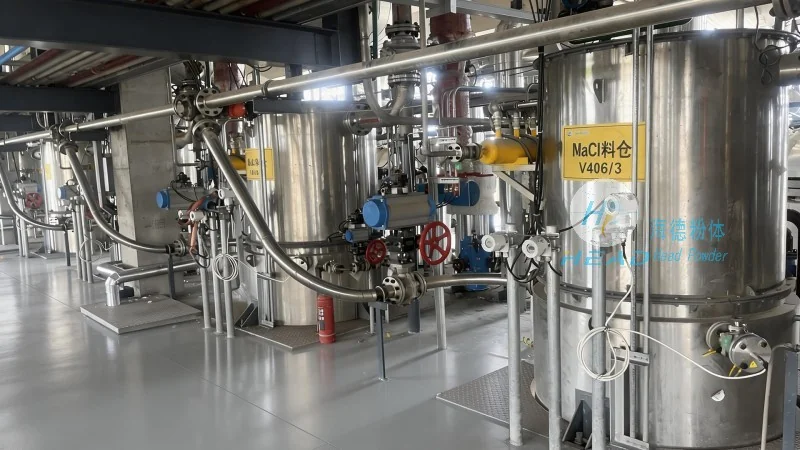
Introduction to Pneumatic Material Conveying for Cement Tank Trucks
Pneumatic material conveying lines are critical components in the logistics and material handling industry, particularly for transporting bulk materials like cement from storage silos to delivery points. The system for cement tank trucks utilizes compressed air to move the material through a network of pipes, ensuring a continuous, dust-free, and efficient transfer process. This technology is widely adopted due to its ability to handle high volumes of material while minimizing operational costs and environmental impact.
Key Components of the Pneumatic Conveying System
The pneumatic material conveying line for cement tank trucks consists of several essential components that work in tandem to facilitate the material transfer. These include the material storage silo, the air compressor system, the conveying pipes, the rotary airlock valves, the dust collector, and the discharge hopper at the tank truck. Each component plays a crucial role in ensuring the smooth and efficient operation of the entire system.
Working Principle of the Pneumatic Conveying Process
The operation of the pneumatic material conveying line begins with the material being discharged from the storage silo into the conveying system. The air compressor generates high-pressure air, which is then introduced into the conveying pipes. As the air flows through the pipes, it creates a negative pressure or a high-velocity flow that draws the cement particles into the system. The rotary airlock valves at the inlet and outlet control the flow of material, preventing backflow and ensuring a steady supply of material to the tank truck. The dust collector is integrated to capture any fine particles, maintaining air quality and preventing dust contamination.
Step-by-Step Operation Process
The operation process of the pneumatic material conveying line for cement tank trucks involves several sequential steps:
1. Material Preparation: The cement is stored in a silo, and the system is prepared for operation by checking the air compressor pressure and ensuring all valves are in the correct position.
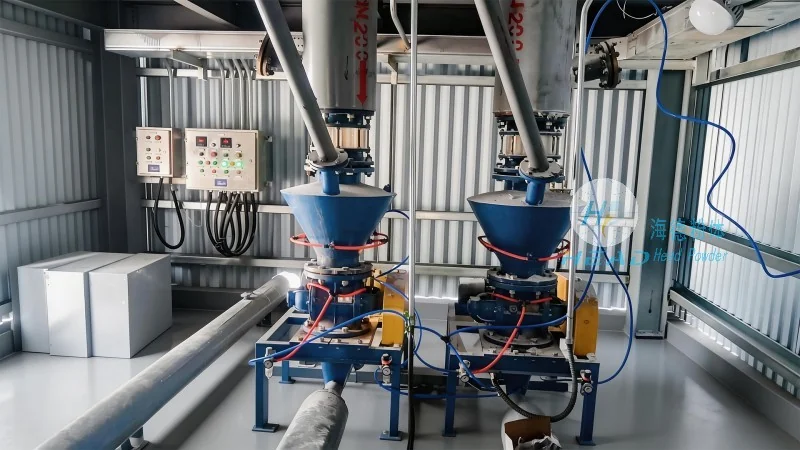
2. Compressed Air Generation: The air compressor starts and generates the required pressure to initiate the conveying process. The pressure is typically maintained at a level sufficient to overcome the resistance in the pipes and lift the material.
3. Material Inlet: The rotary airlock valve at the silo outlet opens, allowing the cement to be drawn into the conveying line by the high-velocity air flow. The material is then carried through the pipes to the discharge point.
4. Material Transfer: The conveying pipes are designed with appropriate slopes and bends to guide the material efficiently to the tank truck. The system ensures that the material flows continuously without blockages or clogs.
5. Discharge and Tank Truck Loading: At the tank truck location, the rotary airlock valve opens, allowing the cement to be discharged into the truck's hopper. The dust collector ensures that any fine particles are captured, preventing dust from escaping into the environment.
6. System Shutdown: Once the material transfer is complete, the air compressor is turned off, and all valves are closed to prevent air leakage and maintain system integrity.
Advantages of Pneumatic Material Conveying for Cement Tank Trucks
The pneumatic material conveying line offers several advantages over traditional methods such as belt conveyors or manual handling. These include:
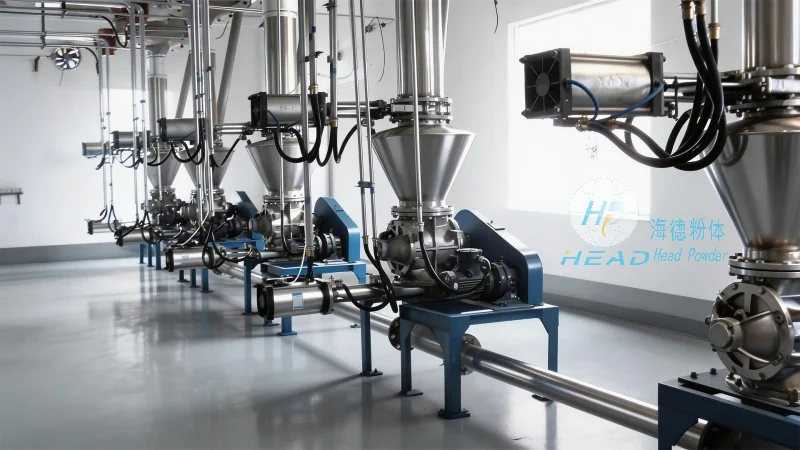
- Efficiency and Speed: The system can transfer large volumes of cement quickly and continuously, reducing downtime and increasing productivity.
- Dust Control: The integrated dust collector ensures that the operation is clean and environmentally friendly, complying with industrial standards.
- Space Efficiency: The system can be installed in compact spaces, making it suitable for urban or industrial areas with limited room for large equipment.
- Low Maintenance: The components are designed for durability and minimal maintenance, reducing operational costs over the long term.
Conclusion
HeadPowder's pneumatic material conveying line for cement tank trucks is a sophisticated and efficient solution for bulk material handling. By understanding the operation process and working principle, users can appreciate the technical advancements that enable seamless and reliable cement transfer. The system's design and implementation reflect the company's commitment to providing high-quality engineering solutions tailored to the needs of the cement industry.