HeadPowder, a leading engineering firm based in Shandong, China, specializes in the design, manufacturing, and installation of advanced pneumatic conveying systems for bulk bag materials. This article provides a comprehensive overview of the operation process and working principles of such systems, highlighting the key components and the step-by-step workflow involved in efficient material handling.
Key Components of Pneumatic Conveying Systems
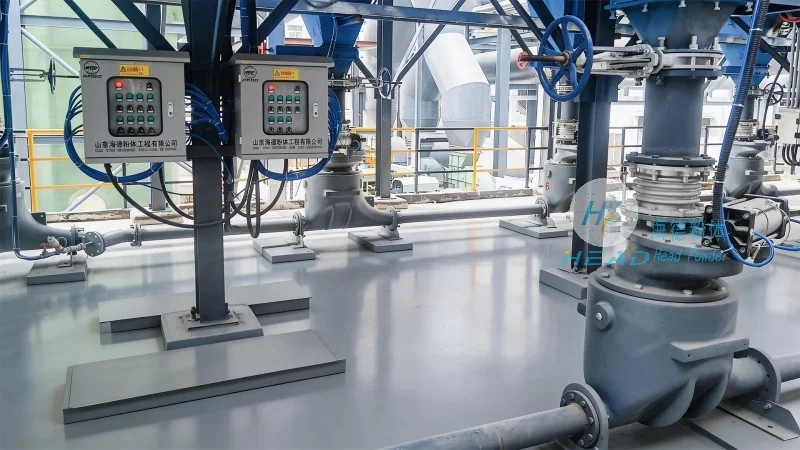
The pneumatic conveying line for bulk bag materials typically consists of several critical components that work in tandem to ensure smooth material transfer. These include bulk bag unloaders, air receivers, vacuum or pressure blowers, conveying pipes, and material receivers. Each component plays a vital role in the overall system performance, contributing to the safe and efficient movement of bulk materials from the source to the destination.
Working Principle of Pneumatic Conveying
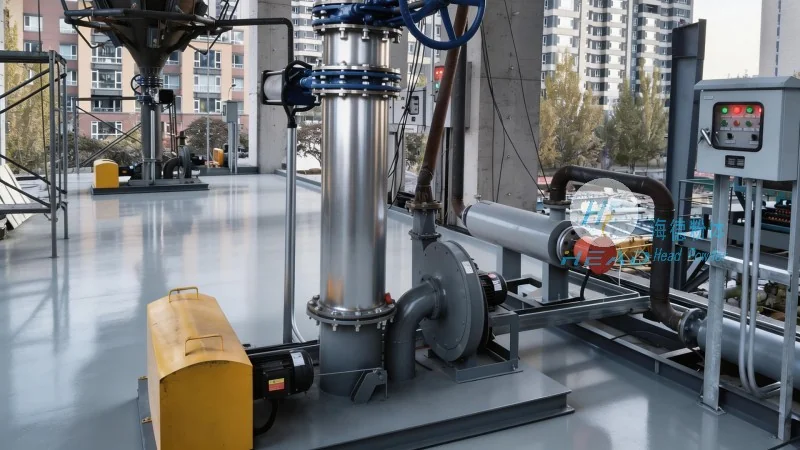
The core principle behind pneumatic conveying is the use of compressed air or vacuum to transport bulk materials through a pipeline. When bulk bag materials are to be transferred, the process begins with the unloading of the material from the bulk bag. The bulk bag unloader, equipped with a discharge valve and a hopper, opens the bag and allows the material to fall into the hopper. Simultaneously, the air receiver and blower system generates the necessary airflow, either by creating a vacuum to draw the material or by applying pressure to push it through the pipeline.
Step-by-Step Operation Process
The operation of a bulk bag material pneumatic conveying line involves several sequential steps that ensure optimal material handling. The first step is the preparation phase, where the bulk bag is positioned correctly and the system is checked for proper functionality. Next, the bulk bag unloader is activated, and the material is discharged into the hopper. The blower then starts, creating the required airflow to transport the material. The material is then conveyed through the pipeline to the material receiver, where it is collected and stored. Finally, the system is flushed and prepared for the next batch of material.
Benefits and Applications
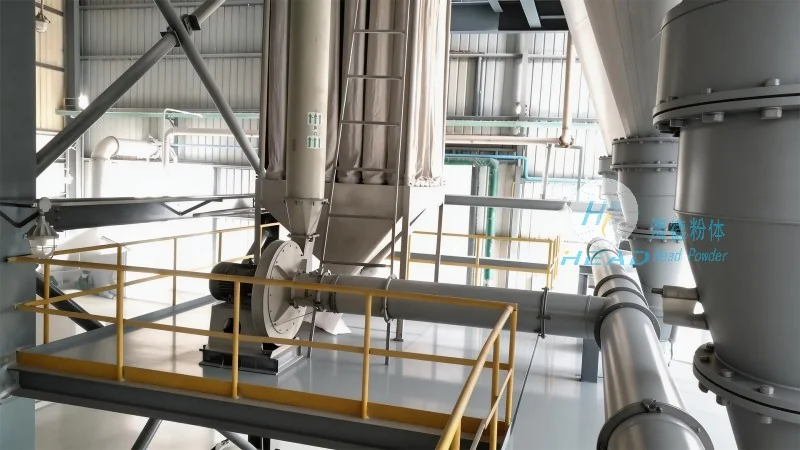
Pneumatic conveying systems offer numerous advantages for bulk material handling, including high efficiency, low maintenance, and the ability to transport materials over long distances without the need for intermediate storage. These systems are widely used in various industries, such as food processing, pharmaceuticals, chemicals, and mining, where the safe and hygienic transfer of bulk materials is essential.




