

Operation Process and Working Principle of Dust-Free Material Pneumatic Conveying Lines
HeadPowder, a leading manufacturer based in Shandong, China, specializes in the design, production, and installation of advanced dust-free material pneumatic conveying systems. These systems are engineered to efficiently transport bulk materials in a controlled, clean environment, ensuring minimal contamination and optimal performance for various industrial applications.
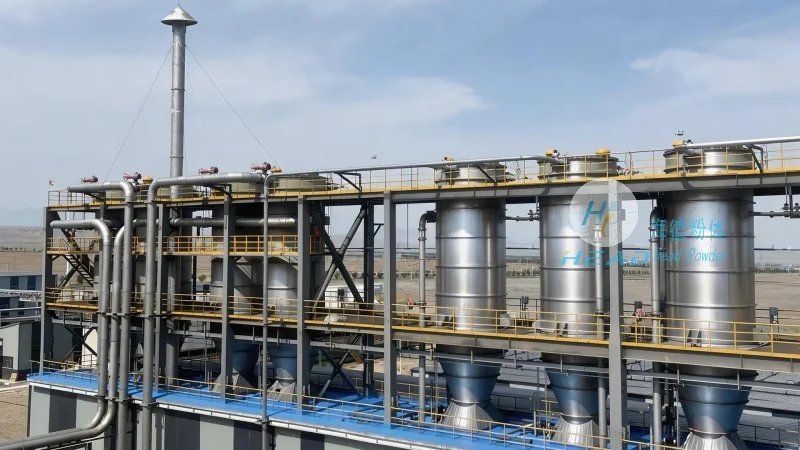
Understanding the Core Components and Working Principle
The dust-free material pneumatic conveying line typically consists of several key components, including a material hopper, a rotary valve (or feeder), a conveying pipeline, a filter system, and a dust collection unit. The working principle revolves around the use of compressed air or gas to create a flow that propels the material through the pipeline. The material is fed from the hopper into the pipeline via the rotary valve, which controls the flow rate and ensures a consistent supply. Compressed air is then introduced into the pipeline, creating a low-pressure or high-pressure environment that moves the material along the path. The filter system and dust collection unit are crucial for maintaining a clean environment by capturing any fine particles that may escape during the conveying process.
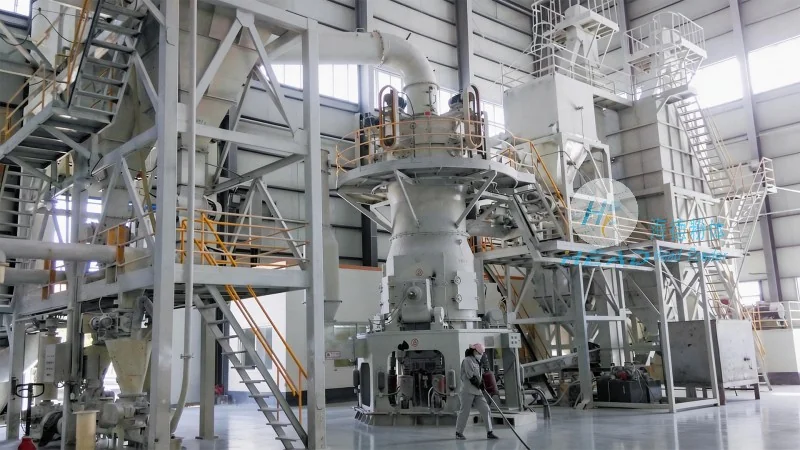
Step-by-Step Operation Process of the Pneumatic Conveying Line
The operation of a dust-free material pneumatic conveying line involves a series of precise steps to ensure efficient and safe material transport. The process begins with the loading of bulk material into the material hopper. The rotary valve then regulates the material flow, controlling the amount of material entering the conveying pipeline. Compressed air is supplied to the system, and as it enters the pipeline, it creates a pressure differential that propels the material forward. The material travels through the pipeline, which may include bends, expansions, or other components designed to guide the flow smoothly. At the end of the pipeline, the material is discharged into a receiving hopper or storage container. Simultaneously, the filter system captures any fine particles from the air stream, preventing dust from being released into the environment. The collected dust is then processed and disposed of according to industrial standards, ensuring compliance with environmental regulations.
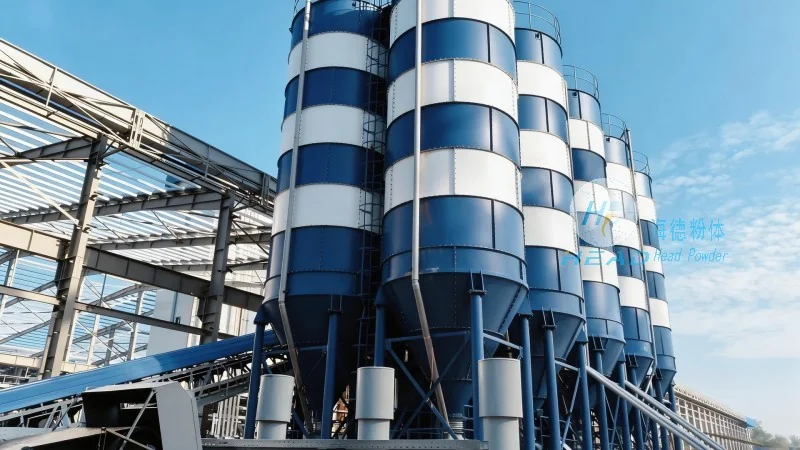
Key Advantages and Applications of Dust-Free Pneumatic Conveying Systems
Dust-free material pneumatic conveying lines offer numerous advantages over traditional mechanical conveying methods. They provide a hygienic and controlled environment, which is essential for industries such as pharmaceuticals, food processing, and electronics manufacturing, where product purity and contamination control are critical. The systems are also highly flexible, allowing for the transport of a wide range of materials, including powders, granules, and fine particles. Additionally, they can be designed to handle varying flow rates and distances, making them suitable for both small-scale and large-scale industrial operations. The use of compressed air ensures that the material is conveyed without direct contact with the conveying equipment, reducing wear and tear and minimizing the risk of material degradation. This makes the system durable and cost-effective in the long run.
Maintenance and Operational Considerations for Optimal Performance
To ensure the longevity and efficiency of a dust-free material pneumatic conveying line, regular maintenance is essential. The rotary valve and material hopper should be inspected regularly to prevent blockages or material buildup. The filter system and dust collection unit require periodic cleaning and replacement of filters to maintain their effectiveness. Compressed air quality should also be monitored to prevent moisture or oil contamination, which can affect the performance of the system. Proper training of operators is crucial to ensure that the system is operated correctly and safely. By following these maintenance and operational guidelines, the system can operate at peak performance, minimizing downtime and maximizing material throughput.
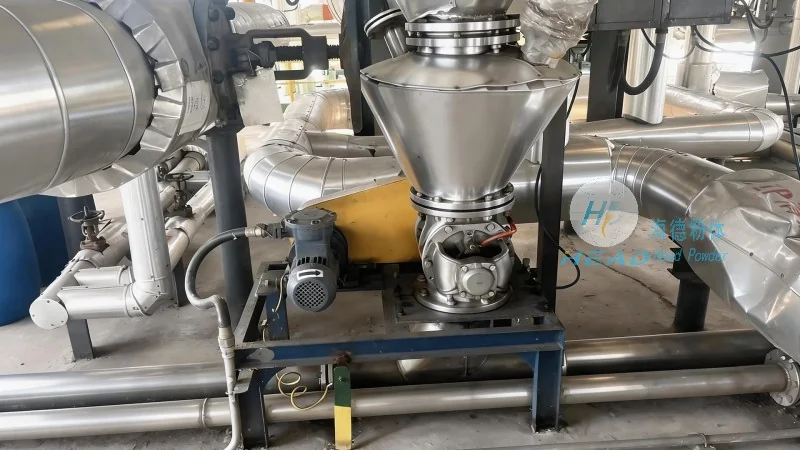
Conclusion: The Role of Advanced Pneumatic Conveying in Modern Industry
HeadPowder's dust-free material pneumatic conveying lines represent a significant advancement in material handling technology. By combining efficient design with robust engineering, these systems provide a reliable and cost-effective solution for transporting bulk materials in a controlled environment. The operation process, which involves precise control of material flow and air pressure, ensures that the system operates smoothly and safely. With their ability to handle a wide range of materials and their compliance with environmental standards, these systems are an essential component of modern industrial operations. As industries continue to demand higher standards of product purity and operational efficiency, the role of advanced pneumatic conveying systems will only grow, making them a critical investment for businesses looking to enhance their material handling capabilities.