

Operation Process and Working Principle of Pneumatic Conveying Equipment for Sintered Dust Materials
HeadPowder, a leading manufacturer based in Shandong, China, specializes in the design, development, and production of advanced pneumatic conveying systems tailored for handling sintered dust materials. This article provides a detailed overview of the operational process and working principles of such equipment, highlighting the key components, functions, and benefits of these systems.
Introduction to Pneumatic Conveying Systems for Sintered Dust
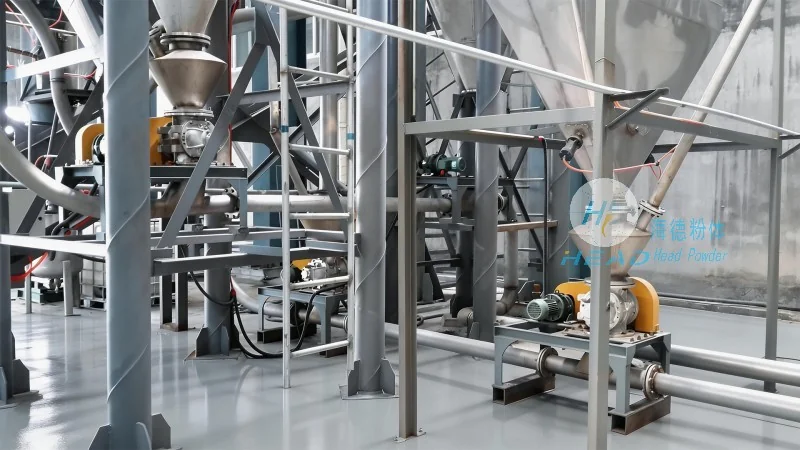
At HeadPowder, we understand the critical role that efficient material handling plays in industrial processes, particularly when dealing with sintered dust—a fine, often abrasive powder that requires specialized equipment to transport safely and effectively. Pneumatic conveying systems offer a reliable solution by utilizing air pressure to move materials through pipelines, eliminating the need for mechanical components that might be prone to wear or contamination. Our equipment is engineered to meet the unique challenges posed by sintered dust, ensuring consistent performance and minimal downtime.
Key Components of the Pneumatic Conveying System
The pneumatic conveying system for sintered dust materials typically consists of several essential components, each playing a crucial role in the overall operation. These include:
- Feeder: The feeder is responsible for introducing the sintered dust into the system at a controlled rate. It ensures a steady flow of material, preventing blockages or uneven feeding that could disrupt the process.
- Conveying Pipeline: The pipeline is the main channel through which the material is transported. It is designed to withstand the abrasive nature of sintered dust and maintain a smooth interior to minimize friction and material buildup.
- Pressure Regulator: This component controls the air pressure within the system, ensuring that it remains within the optimal range for efficient conveying. Proper pressure management is vital to prevent material degradation or system damage.
- Receiver: The receiver is where the sintered dust is deposited after being conveyed. It is equipped with a dust collection system to prevent environmental contamination and maintain a clean working environment.
- Control System: The control system monitors and regulates the operation of all components, providing real-time feedback on pressure, flow rate, and other critical parameters. This allows for immediate adjustments to maintain optimal performance.
Operation Process of the Pneumatic Conveying Equipment
The operation of the pneumatic conveying system for sintered dust involves a series of coordinated steps that ensure efficient material transport. The process begins with the feeder introducing the sintered dust into the pipeline. Simultaneously, the pressure regulator adjusts the air pressure to create a consistent flow of air within the system. As the air moves through the pipeline, it entrains the sintered dust particles, forming a slurry-like mixture that is then transported to the receiver.
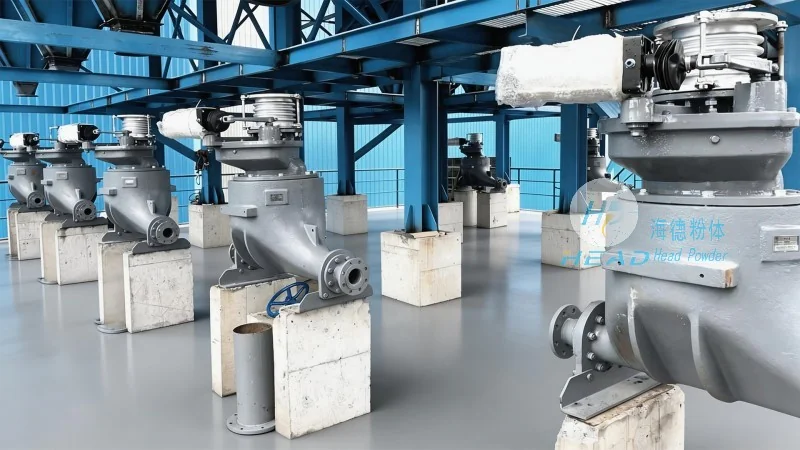
During the conveying process, the pressure regulator continuously monitors the pressure to maintain the optimal air velocity. This velocity is crucial because it determines the ability of the air to carry the dust particles without causing excessive wear on the pipeline or the feeder. The receiver then collects the sintered dust, and the control system adjusts the feeder rate or pressure as needed to maintain a steady flow. This closed-loop system ensures that the operation remains stable and efficient throughout the process.
Working Principle of the Pneumatic Conveying System
The working principle of the pneumatic conveying system is based on the fundamental concept of fluidization and entrainment. When air is introduced into the pipeline at a high velocity, it creates a low-pressure zone that draws the sintered dust particles into the air stream. This process, known as pneumatic conveying, relies on the interaction between the air and the material to transport the dust without the need for mechanical conveyors, which can be less effective for fine powders and may introduce contaminants.
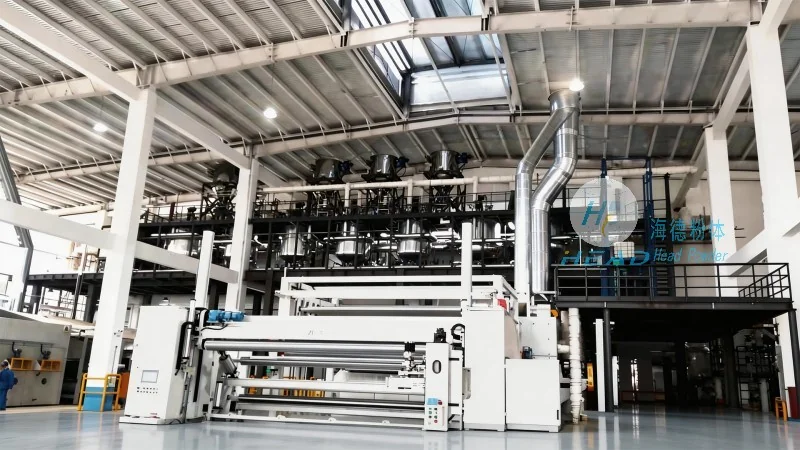
Our equipment is designed to optimize this principle by using high-efficiency feeders and pressure regulators. The feeder ensures that the sintered dust is introduced at a consistent rate, while the pressure regulator maintains the air pressure at a level that is sufficient to entrain the particles but not excessive, which could lead to energy waste or material degradation. The pipeline's design, with smooth internal surfaces and appropriate diameter, further enhances the conveying efficiency by reducing friction and minimizing the risk of material buildup.
Benefits of Using Pneumatic Conveying Equipment for Sintered Dust
Implementing a pneumatic conveying system for sintered dust offers numerous benefits that enhance operational efficiency and safety. These include:
- Reduced Downtime and Maintenance: Unlike mechanical conveyors, which require regular maintenance and cleaning, pneumatic systems have fewer moving parts, resulting in lower maintenance costs and longer service life.
- Improved Material Handling Safety: By eliminating the need for manual handling of sintered dust, the system reduces the risk of dust exposure and related health hazards, creating a safer working environment.
- Enhanced Process Control: The control system allows for precise regulation of the conveying rate and pressure, enabling tighter control over the material flow and reducing the risk of overloading or underloading the system.
- Environmental Compliance: The receiver's dust collection system ensures that the sintered dust is contained and disposed of properly, helping to meet environmental regulations and minimize the impact on the surrounding environment.
Conclusion
HeadPowder's pneumatic conveying equipment for sintered dust materials represents a reliable and efficient solution for industrial material handling. By understanding the operation process and working principles of these systems, users can make informed decisions about implementing such technology in their operations. Our commitment to quality and innovation ensures that our equipment meets the highest standards, providing long-term benefits and improved performance for our clients.