

Operation Process and Working Principle of Sodium Hydroxide Material Pneumatic Conveying Equipment
HeadPowder, a leading engineering company based in Shandong, China, specializes in the design, manufacturing, and installation of advanced pneumatic conveying systems. This article provides a detailed overview of the operation process and working principle of equipment used for transporting sodium hydroxide, a critical chemical widely utilized in various industrial applications. The focus is on understanding how these systems efficiently handle the material, ensuring safe and reliable transportation from source to destination.
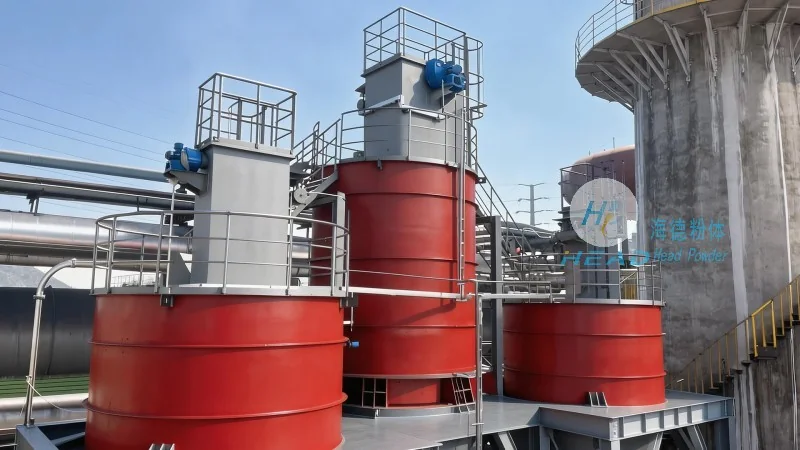
Key Components of the Pneumatic Conveying System
The pneumatic conveying system for sodium hydroxide typically consists of several essential components that work in tandem to achieve effective material transport. These include a hopper for material storage, a rotary valve or feeder to control the flow rate, a conveying line (often equipped with bends and straight sections), a dust collector or filter to manage air and particulate matter, and a receiver or discharge point where the material is deposited. Each component plays a crucial role in maintaining the system's efficiency and safety.
Working Principle of the Pneumatic Conveying Process
The operation of the sodium hydroxide pneumatic conveying system is based on the principle of air flow. The process begins with the material being fed from the hopper into the conveying line via the rotary valve. Simultaneously, a high-pressure air stream is introduced into the system, creating a flow that propels the sodium hydroxide particles through the pipeline. The air velocity is carefully controlled to ensure that the material is carried without causing excessive wear or blockages. The conveying line may include various fittings such as elbows, tees, and straight sections, which are designed to minimize pressure loss and maintain the air flow's stability.
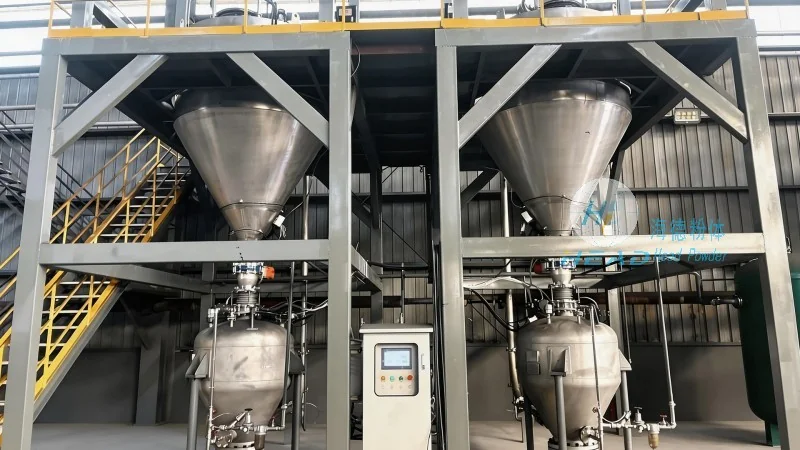
Operation Process: Step-by-Step Overview
The operation process of the sodium hydroxide pneumatic conveying equipment involves several sequential steps that ensure smooth and continuous material transport. First, the material is loaded into the hopper, where it is stored under controlled conditions to prevent moisture absorption or degradation. Next, the rotary valve is activated to regulate the flow rate of sodium hydroxide into the conveying line. The air compressor then starts, generating the necessary pressure to create the air stream. As the air flows through the system, it carries the sodium hydroxide particles, transporting them to the discharge point. The receiver at the end of the line collects the material, and the air is filtered and recycled back into the system through the dust collector. This cycle repeats continuously, maintaining a steady flow of sodium hydroxide from the source to the destination.
Ensuring Efficiency and Safety in Operation
Efficiency and safety are paramount in the operation of sodium hydroxide pneumatic conveying systems. HeadPowder employs advanced technologies and materials to minimize energy consumption and prevent material degradation. For instance, the use of corrosion-resistant materials in the conveying line and components ensures durability, especially when handling sodium hydroxide, which can be caustic. Additionally, the system is equipped with monitoring devices that track pressure, flow rate, and temperature, allowing for real-time adjustments to maintain optimal performance. Safety features such as pressure relief valves and emergency shut-off mechanisms are also integrated to prevent accidents and protect personnel.
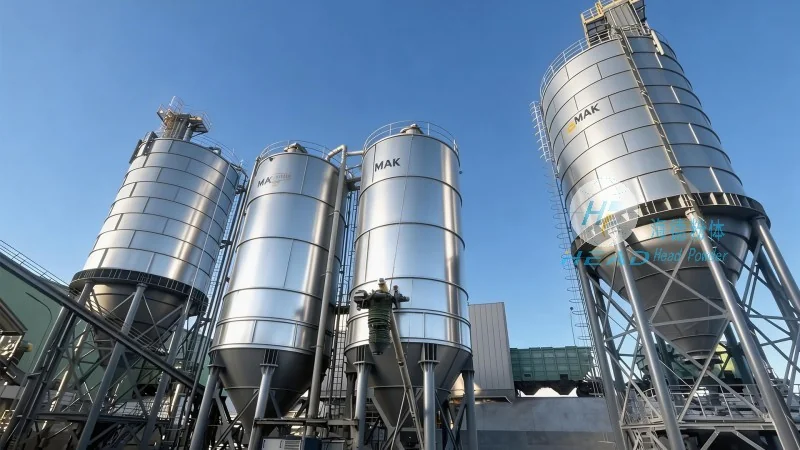
Applications and Benefits of the System
Sodium hydroxide pneumatic conveying systems are widely used in various industries, including chemical manufacturing, food processing, and pharmaceuticals. The primary benefits of these systems include reduced labor costs, improved material handling efficiency, and enhanced safety compared to traditional methods like manual handling or bucket elevators. The ability to transport sodium hydroxide in a closed system also minimizes environmental contamination and exposure risks for workers. HeadPowder's expertise in designing customized pneumatic conveying solutions ensures that clients can achieve optimal performance tailored to their specific operational needs.
Conclusion
In conclusion, the operation process and working principle of sodium hydroxide pneumatic conveying equipment are intricate yet efficient systems that rely on precise control of air flow and material handling. HeadPowder, with its strong presence in Shandong, China, continues to provide innovative solutions that enhance the performance and safety of these systems. By understanding the key components, operation steps, and benefits, industries can leverage these technologies to improve their material handling processes and achieve greater operational efficiency.