HeadPowder, a leading engineering company based in Shandong, China, specializes in the design and implementation of advanced material handling systems. This article provides a detailed overview of the operation process and working principle of an air-driven conveying line specifically designed for transporting nickel sulfate crystalline material. The system is engineered to ensure efficient, reliable, and safe material transport, catering to the unique characteristics of this chemical product.
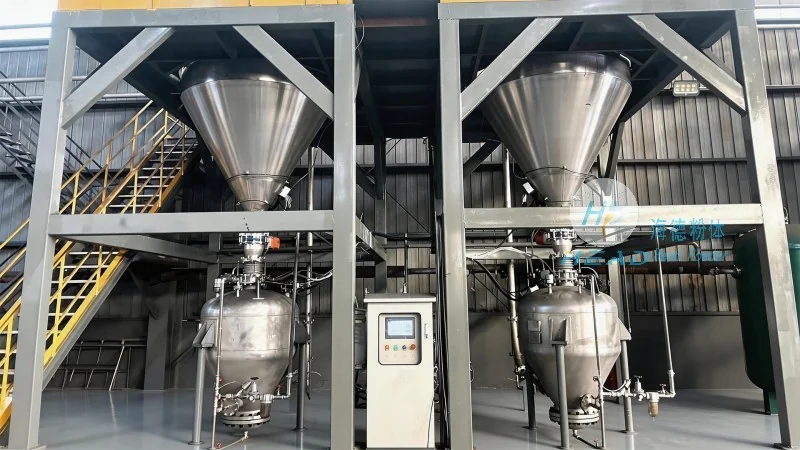
Company Profile and Location
HeadPowder Engineering Co., Ltd. is a professional manufacturer and supplier of industrial material handling equipment. The company is headquartered in Shandong, China, where it has established a strong presence in the engineering and manufacturing sector. With a focus on innovation and customer satisfaction, HeadPowder provides customized solutions tailored to the specific needs of its clients, including the development of specialized air-driven conveying systems for various industrial applications.
Overview of the Air-Driven Conveying Line
The air-driven conveying line for nickel sulfate crystalline material is a sophisticated system that utilizes pneumatic technology to transport bulk materials. This method offers several advantages over traditional mechanical conveying systems, such as reduced maintenance requirements, lower energy consumption, and the ability to handle materials with varying particle sizes and moisture content. The system is designed to maintain the integrity of the nickel sulfate crystals, preventing breakage or degradation during transport.
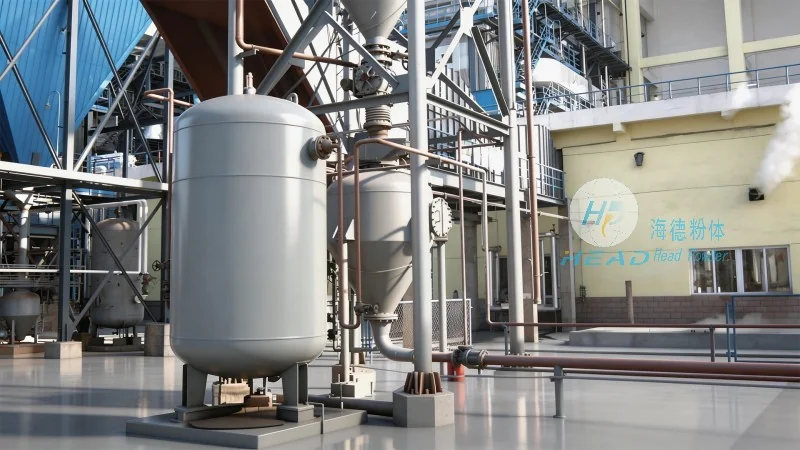
Key Components and Their Functions
The air-driven conveying line consists of several key components, each playing a crucial role in the overall operation. These components include the material hopper, the air compressor, the conveying pipe, the rotary valve, and the discharge hopper. The material hopper is responsible for storing the nickel sulfate crystalline material and feeding it into the conveying system. The air compressor generates the necessary air pressure to move the material through the pipe. The conveying pipe is a flexible or rigid tube that transports the material from the hopper to the discharge point. The rotary valve acts as a control mechanism, regulating the flow of material into the pipe and preventing backflow. The discharge hopper collects the material at the end of the conveying line, ready for further processing or storage.
Operation Process of the Conveying Line
The operation of the air-driven conveying line for nickel sulfate crystalline material follows a systematic process. Initially, the material is loaded into the material hopper. The rotary valve then opens, allowing the material to enter the conveying pipe as the air compressor starts operating. The compressed air creates a pressure differential, which propels the material forward through the pipe. The material travels at a controlled speed, ensuring that the crystals are not damaged. At the discharge end, the rotary valve closes, and the material is deposited into the discharge hopper. The system can be controlled manually or automatically, depending on the specific requirements of the application. The operation is typically continuous, with the conveying line running until the material hopper is empty or the system is shut down for maintenance.
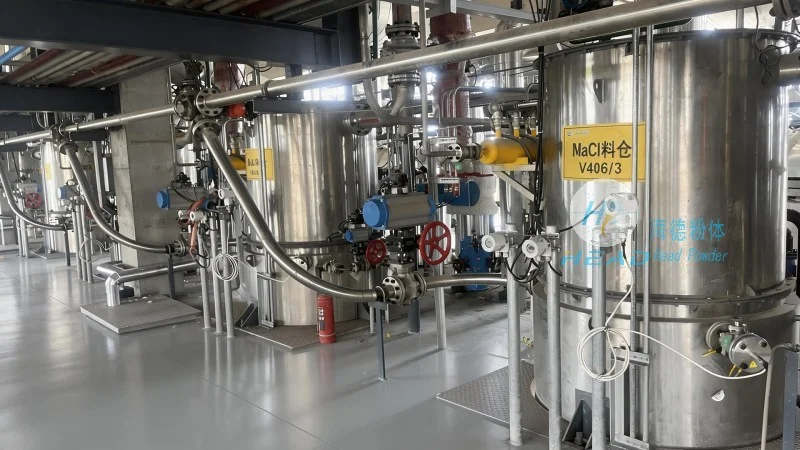
Working Principle of the Pneumatic Conveying System
The working principle of the air-driven conveying line is based on the principle of pneumatic transport. The system uses compressed air to create a flow of material through the conveying pipe. The air pressure is maintained at a level sufficient to overcome the resistance of the material and the pipe, ensuring a smooth and consistent flow. The velocity of the air and the material is carefully controlled to prevent excessive wear on the pipe and to maintain the quality of the nickel sulfate crystals. The system can operate in both positive and negative pressure modes, depending on the application. In positive pressure mode, the air is forced into the pipe, pushing the material forward. In negative pressure mode, the air is drawn out of the pipe, creating a vacuum that pulls the material through. The choice of mode depends on factors such as the distance to be covered, the material characteristics, and the desired flow rate.
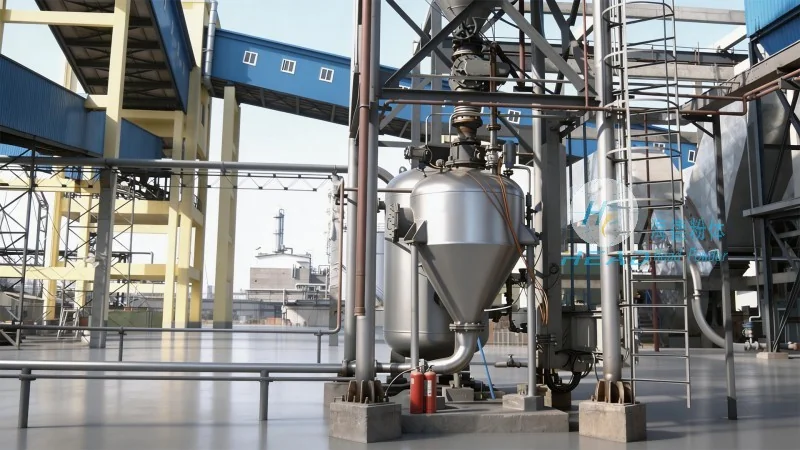
Advantages of the Air-Driven Conveying Line
The air-driven conveying line for nickel sulfate crystalline material offers several advantages over traditional conveying methods. One of the primary benefits is the ability to handle materials with high moisture content or sticky properties, which can be difficult to transport using mechanical systems. The system also provides a clean and hygienic environment, which is essential for pharmaceutical and food processing applications. Additionally, the air-driven system is more energy-efficient than mechanical systems, as it requires less power to operate. The system is also more flexible, as it can be easily reconfigured to accommodate changes in the production process or to transport different materials.
Conclusion
In conclusion, the air-driven conveying line for nickel sulfate crystalline material is an efficient and reliable system for transporting bulk materials. The system is designed to maintain the quality of the nickel sulfate crystals, while providing a safe and effective method of material transport. HeadPowder Engineering Co., Ltd. specializes in the design and implementation of such systems, ensuring that clients receive customized solutions tailored to their specific needs. With its headquarters in Shandong, China, HeadPowder continues to be a leader in the engineering and manufacturing of industrial material handling equipment.




