HeadPowder, a prominent name in the field of material handling and processing, specializes in the design, manufacturing, and installation of advanced pneumatic conveying systems. With a strong commitment to quality and innovation, the company has established itself as a trusted partner for industries seeking efficient and reliable low-pressure material transport solutions. Headquartered in Shandong, China, HeadPowder leverages years of expertise to deliver customized solutions tailored to the unique needs of each client. The company's products are engineered to meet stringent industry standards, ensuring durability, performance, and safety in various operational environments.
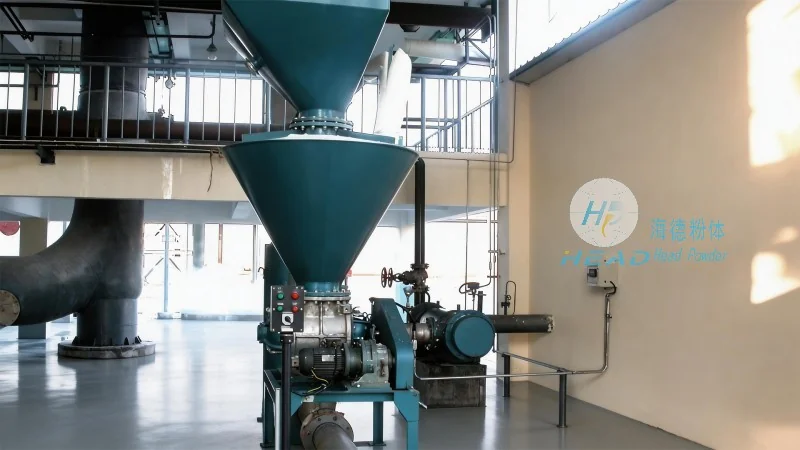
Low-Pressure Pneumatic Conveying Systems: An Overview
Low-pressure pneumatic conveying equipment is a critical component in modern material handling, offering a flexible and efficient method for transporting bulk materials over short to medium distances. Unlike high-pressure systems, low-pressure conveyors operate at lower air pressures, typically ranging from 0.5 to 2 bar, making them suitable for a wide range of applications, including food, pharmaceuticals, chemicals, and powders. These systems are designed to handle delicate or sensitive materials without causing degradation or contamination, ensuring product integrity throughout the conveying process. The core of a low-pressure system involves a combination of air movement, material feed, and separation mechanisms, all working in harmony to achieve seamless material transport.
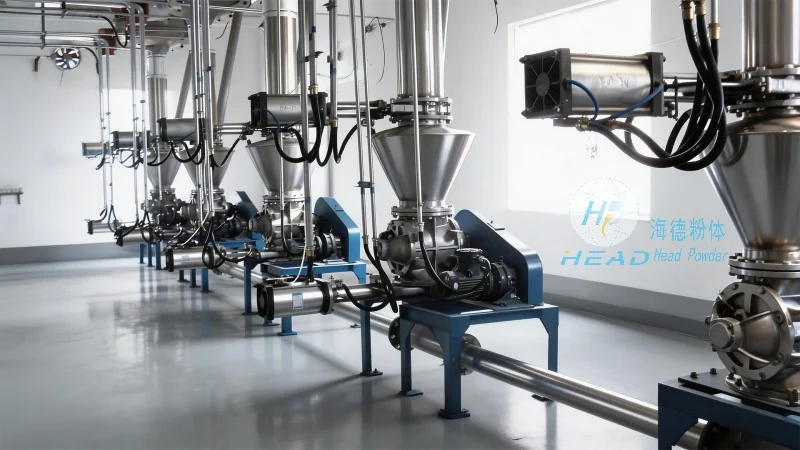
The Working Principle of Low-Pressure Material Conveying
The fundamental working principle of low-pressure pneumatic conveying revolves around the use of air as the primary transport medium. In a typical low-pressure system, air is drawn into a hopper or feed point, where the material to be conveyed is introduced. The air then lifts and transports the material through a pipeline network, using a combination of positive and negative pressure zones to move the material efficiently. The system typically includes a blower or fan that generates the necessary air flow, with the pressure maintained at a level that minimizes material degradation while ensuring effective transport. Key components such as feeders, cyclones, and filters are integrated to control the flow of material and maintain system efficiency. The low-pressure design allows for gentle handling of materials, reducing the risk of breakage or agglomeration, which is particularly important for fragile or valuable products.
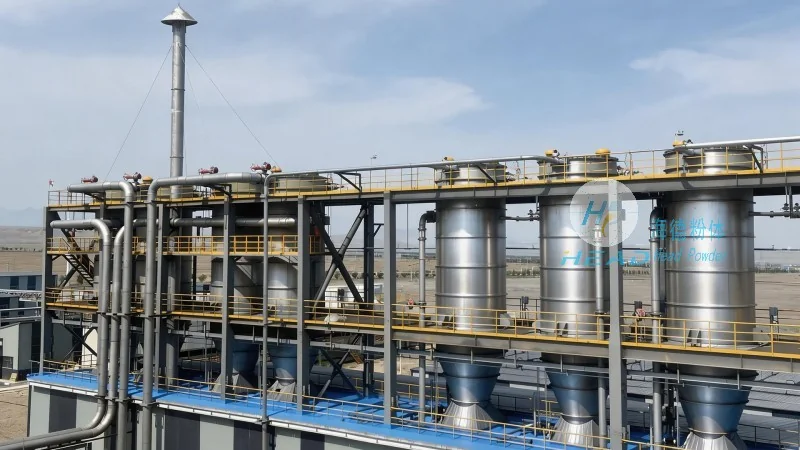
The Operation Process of Low-Pressure Pneumatic Conveying
The operation process of a low-pressure material pneumatic conveying system involves several sequential steps that ensure smooth and continuous material transport. Initially, the material is fed into the system from a storage hopper or silo, where it is metered by a feeder device to control the flow rate. The feeder then delivers the material into the conveying line, where it is mixed with the air stream generated by the blower. As the material travels through the pipeline, it is propelled by the air flow, moving from the feed point to the discharge point. At the discharge end, a cyclone separator or other separation device is used to separate the material from the air, allowing the material to be deposited in the receiving container or processing unit. The air, now clean and free of material particles, is either recirculated back into the system or vented to the atmosphere, depending on the system design. This continuous cycle ensures that the system operates efficiently, with minimal downtime and consistent performance. The process is designed to be automated, with sensors and controls monitoring key parameters such as pressure, flow rate, and material level to maintain optimal operation. This automation not only enhances efficiency but also reduces the need for manual intervention, improving overall productivity and safety.
Advantages of Low-Pressure Pneumatic Conveying
Low-pressure pneumatic conveying systems offer several advantages that make them a preferred choice for many industries. One of the primary benefits is the gentle handling of materials, which is crucial for delicate or sensitive products. The low air pressure reduces the risk of material breakage, agglomeration, or contamination, preserving the quality and integrity of the conveyed material. Additionally, these systems are highly flexible, allowing for easy integration into existing production lines and the ability to transport materials over varying distances and heights. The compact design of low-pressure systems also makes them suitable for installations with limited space, as they require less floor space compared to other material handling methods. Another key advantage is the ability to handle a wide range of materials, from fine powders to bulk solids, without the need for extensive modifications. The system's ability to operate continuously with minimal maintenance further enhances its appeal, as it reduces operational costs and downtime. Furthermore, low-pressure pneumatic conveying is environmentally friendly, as it eliminates the need for mechanical components like belts or chains, which can generate noise and wear over time. The use of air as the transport medium also reduces the risk of fire or explosion in environments where flammable materials are handled, making it a safer option compared to other conveying methods.
Contact Information and Company Details
HeadPowder Engineering Co., Ltd. is dedicated to providing high-quality low-pressure pneumatic conveying solutions to meet the diverse needs of its clients. The company is located in Shandong, China, and serves a global clientele with its advanced technology and customer-centric approach. For inquiries or to learn more about their products and services, interested parties can contact the company through their official channels. HeadPowder's commitment to excellence and innovation ensures that clients receive not only reliable equipment but also comprehensive support throughout the entire process, from design and installation to maintenance and after-sales service. By leveraging the expertise of their team, HeadPowder continues to set new standards in the field of material handling, delivering solutions that enhance efficiency, productivity, and safety for its customers.




