

Operation Process and Working Principle of Magnesium Hydroxide Material Handling Equipment
Shandong HeadPowder Engineering Co., Ltd., commonly known as HeadPowder, specializes in the design, manufacturing, and supply of specialized equipment for handling magnesium hydroxide materials. Based in Shandong, China, the company has established itself as a reliable partner in the industrial sector, providing efficient and reliable solutions for material transportation and processing. The equipment developed by HeadPowder is engineered to meet the specific demands of the magnesium hydroxide industry, ensuring optimal performance and safety in various operational environments.
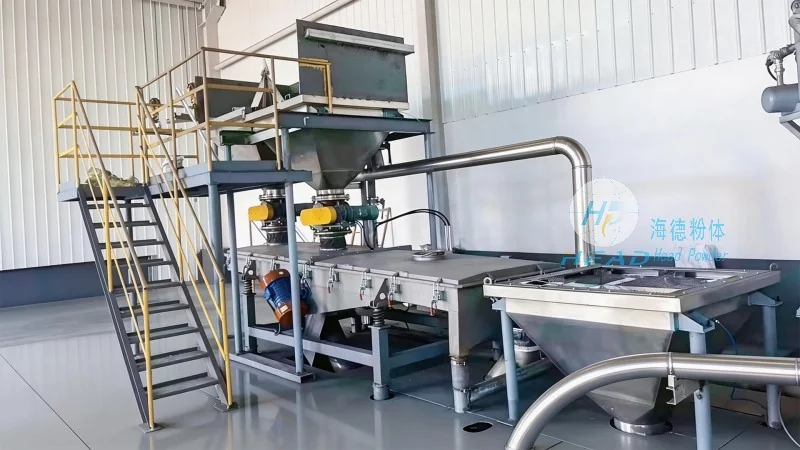
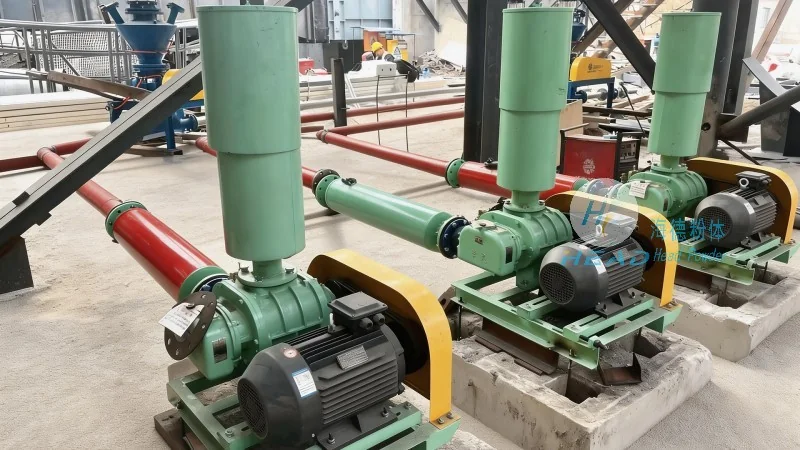
Operation Process of Magnesium Hydroxide Material Handling Equipment
The operation of magnesium hydroxide material handling equipment typically involves several key steps designed to ensure smooth and efficient material transport. The process begins with the loading of magnesium hydroxide powder into the hopper or storage silo. Once loaded, the material is fed into the conveyor system, which may include screw conveyors, belt conveyors, or pneumatic conveying systems depending on the specific application and material characteristics. The conveyor system then transports the material to the desired destination, such as a processing unit, storage area, or packaging station. During the operation, the equipment is equipped with sensors and control systems to monitor the flow rate, pressure, and other critical parameters, ensuring consistent and safe material handling. The entire process is automated to minimize human intervention, enhancing operational efficiency and reducing the risk of accidents. Regular maintenance and inspection are also integral to the operation, as they help maintain the equipment's performance and prolong its service life.
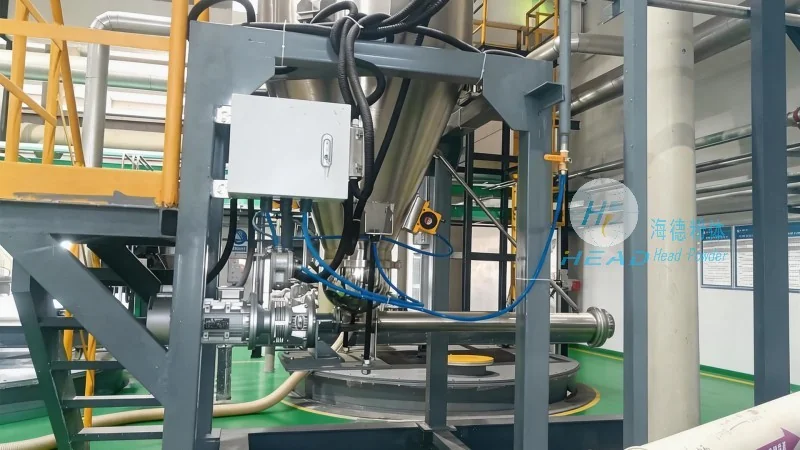
Working Principle of Magnesium Hydroxide Material Handling Equipment
The working principle of magnesium hydroxide material handling equipment is based on mechanical or pneumatic systems that facilitate the movement of the material from one location to another. For mechanical systems, such as screw conveyors or belt conveyors, the equipment uses rotating components to push or pull the material along a designated path. The screw conveyor, for example, features a helical screw that rotates within a trough, moving the material forward through the conveyor. The speed and rotation of the screw can be adjusted to control the flow rate and prevent material buildup. Belt conveyors, on the other hand, use a continuous belt that carries the material across rollers, ensuring a stable and uniform transport. Pneumatic conveying systems operate by using compressed air to create a flow of material through a pipeline. The air pressure forces the magnesium hydroxide particles to move through the system, with the velocity and pressure controlled to maintain the material's integrity and prevent clogging. The control systems in these equipment are crucial as they regulate the air flow, pressure, and material feed rate, ensuring that the conveying process is efficient and safe. Additionally, the equipment is designed with materials that are compatible with magnesium hydroxide, such as stainless steel or special coatings, to prevent chemical reactions and ensure durability.
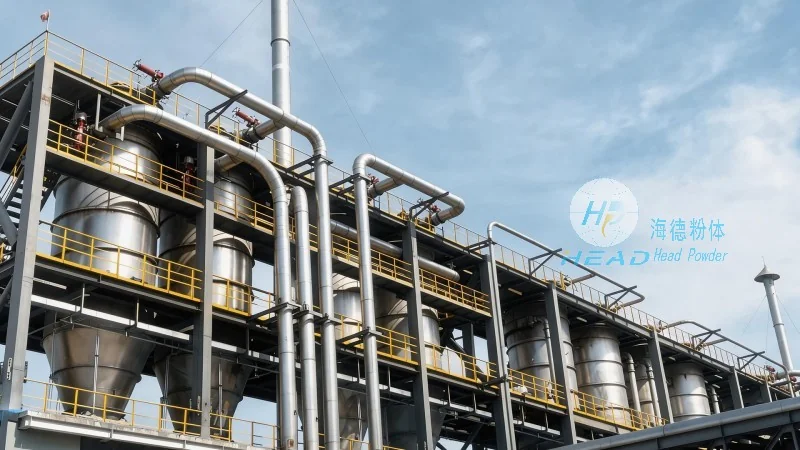
Key Features and Benefits of Magnesium Hydroxide Material Handling Equipment
HeadPowder's magnesium hydroxide material handling equipment is equipped with several key features that enhance its performance and reliability. These features include advanced control systems that allow for precise monitoring and adjustment of operational parameters, ensuring optimal material flow. The equipment also incorporates safety mechanisms, such as overload protection and emergency stop buttons, to prevent accidents and protect personnel. Additionally, the design of the equipment minimizes material degradation, as the components are engineered to handle the abrasive nature of magnesium hydroxide without causing excessive wear. The use of high-quality materials and robust construction ensures that the equipment can withstand the demanding conditions of industrial operations, reducing the need for frequent repairs and maintenance. Overall, the equipment provides a cost-effective solution for material handling, improving productivity and reducing operational costs for businesses in the magnesium hydroxide industry.