HeadPowder, a leading manufacturer based in Shandong, China, specializes in the design, production, and supply of advanced material handling equipment tailored for coal and stone powder applications. This article provides a comprehensive overview of the operational process and working principles of their coal and stone powder material handling equipment, highlighting key components, operational flow, and technical advantages.
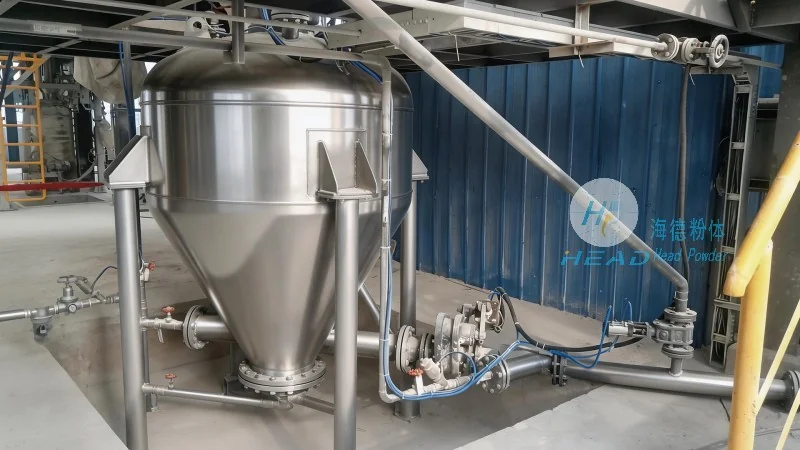
Overview of Coal and Stone Powder Material Handling Equipment
Coal and stone powder material handling equipment is engineered to efficiently transport bulk materials such as coal, limestone, and other fine powders from one location to another. These systems are commonly used in mining, power generation, and construction industries, where reliable and consistent material transport is critical for operational efficiency. The equipment typically consists of a series of interconnected components, including feeders, conveyors, and control systems, designed to handle the unique characteristics of coal and stone powders—such as their abrasive nature, dust generation, and varying particle sizes.
Key Components and Their Functions
The core components of the coal and stone powder material handling system include: 1. Feeder: This component is responsible for receiving and feeding the material from the source into the conveyor system. It ensures a uniform flow of material, preventing overloading or underloading of the conveyor. 2. Conveyor Belt: The primary transport mechanism, the conveyor belt moves the material horizontally or at an incline. It is made of durable materials, such as rubber or PVC, to withstand the abrasive properties of coal and stone powders. 3. Drive System: This system provides the necessary power to move the conveyor belt, typically using electric motors and gearboxes. The drive system is designed for high efficiency and low maintenance. 4. Control Panel: The control panel monitors and regulates the operation of the entire system, including speed, flow rate, and safety features. It allows operators to adjust settings as needed to optimize performance. 5. Dust Suppression System: Given the dust-producing nature of coal and stone powders, a dust suppression system is integrated to minimize airborne particles, ensuring a safer working environment and compliance with environmental regulations.
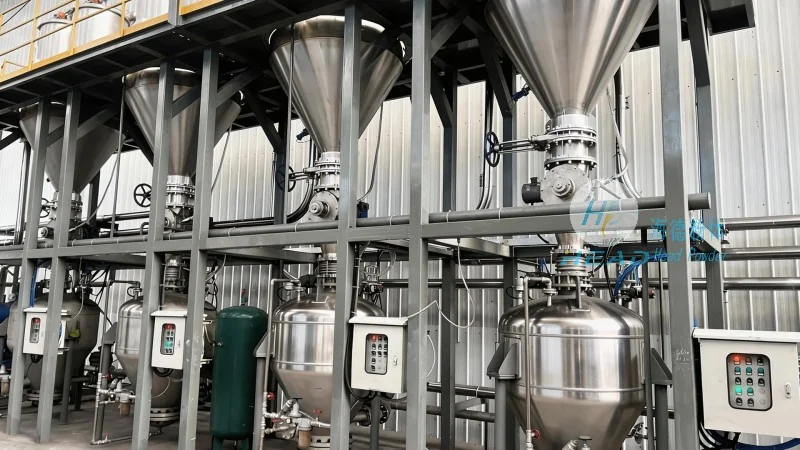
Operation Process: Step-by-Step
The operational process of the coal and stone powder material handling equipment follows a systematic sequence to ensure smooth and efficient material transport. Here is a detailed breakdown of the steps involved:
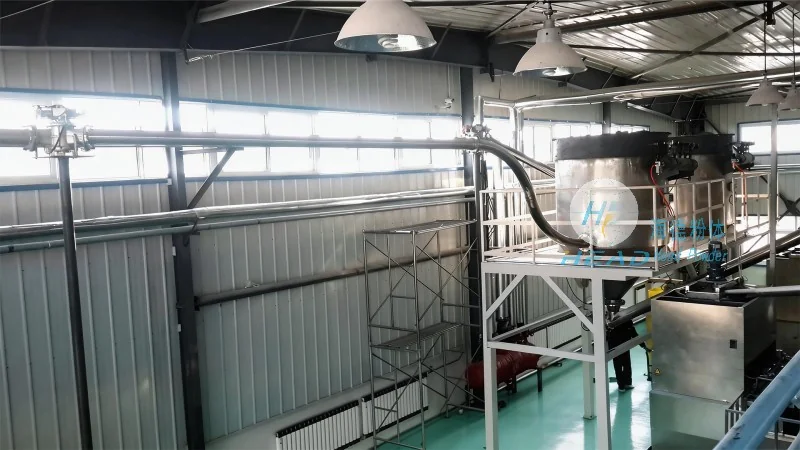
- Material Loading: The raw coal or stone powder is loaded into the hopper or storage silo. The feeder then picks up the material from the hopper and feeds it onto the conveyor belt.
- Belt Movement: The drive system activates, causing the conveyor belt to move at a predetermined speed. The material is carried along the belt, moving from the loading point to the discharge point.
- Material Discharge: At the end of the conveyor, the material is discharged into a receiving hopper or storage area. The discharge point is designed to prevent material spillage and ensure accurate delivery.
- Continuous Monitoring: The control panel continuously monitors the system's performance, including belt speed, material flow rate, and any potential issues such as blockages or overloads. Operators can adjust settings in real-time to maintain optimal operation.
- Dust Management: Throughout the process, the dust suppression system operates to capture and contain dust, reducing airborne particles and protecting both the equipment and the environment.
Working Principle: How It Works
The working principle of the coal and stone powder material handling equipment is based on mechanical and hydraulic systems that work in tandem to transport bulk materials. The primary mechanism is the conveyor belt, which uses friction to move the material. The feeder ensures a consistent feed rate, while the drive system provides the necessary force to move the belt. The control panel coordinates all operations, ensuring that the system runs smoothly and safely. The dust suppression system is integrated to address the environmental and safety concerns associated with handling fine powders.
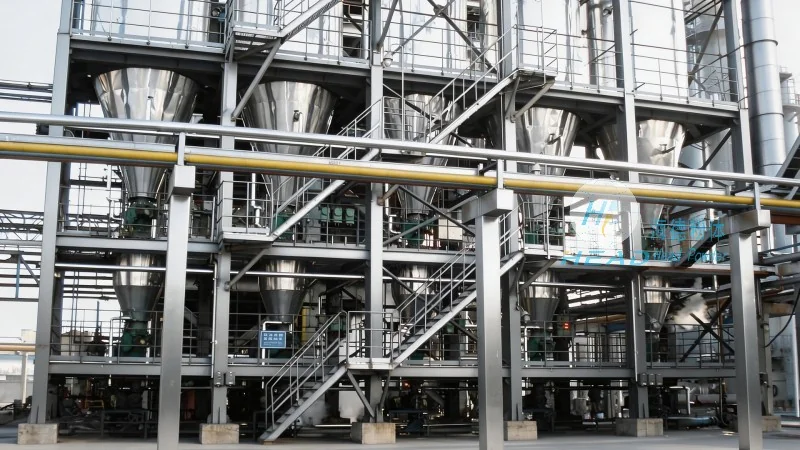
Technical Advantages and Applications
HeadPowder's coal and stone powder material handling equipment offers several technical advantages that make it ideal for industrial applications. These include: 1. High Efficiency: The equipment is designed to handle large volumes of material with minimal downtime, improving overall productivity. 2. Low Maintenance: Durable components and advanced materials reduce the need for frequent repairs, lowering operational costs. 3. Customization: The equipment can be customized to meet specific operational requirements, such as different conveyor lengths, incline angles, or material types. 4. Environmental Compliance: The integrated dust suppression system ensures that the equipment meets environmental regulations, reducing the impact on the surrounding environment.
These advantages make the equipment suitable for a wide range of applications, including: 1. Coal Mining: Transporting coal from mines to processing facilities. 2. Power Generation: Delivering coal to power plants for combustion. 3. Construction Materials: Handling limestone and other powders for concrete production. 4. Industrial Processing: Transporting raw materials in various manufacturing processes.




