

Operation Process and Working Principle of PVC Resin Material Handling Equipment
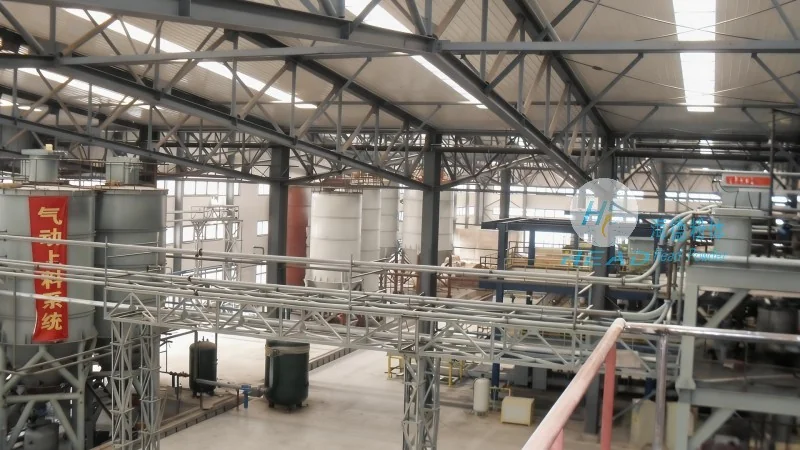
Shandong HeadPowder Engineering Co., Ltd., a leading enterprise based in China, specializes in the design, manufacturing, and supply of advanced material handling solutions. Among their product portfolio, the PVC resin material handling equipment stands out as a critical component in various industrial applications, particularly in the plastic and chemical sectors. This equipment is engineered to efficiently transport and manage PVC resin, ensuring smooth operations and optimal performance in production lines.
Introduction to PVC Resin Material Handling Equipment
PVC (Polyvinyl Chloride) resin is a widely used thermoplastic polymer, essential in the production of pipes, flooring, and other construction materials. The material handling equipment designed for PVC resin must address specific challenges such as the resin's granular or powder form, its tendency to clump, and the need for precise control during transport. Shandong HeadPowder Engineering Co., Ltd. has developed sophisticated systems that integrate advanced technology to meet these demands, ensuring reliable and efficient material movement within industrial settings.
Key Components of the PVC Resin Material Handling Equipment
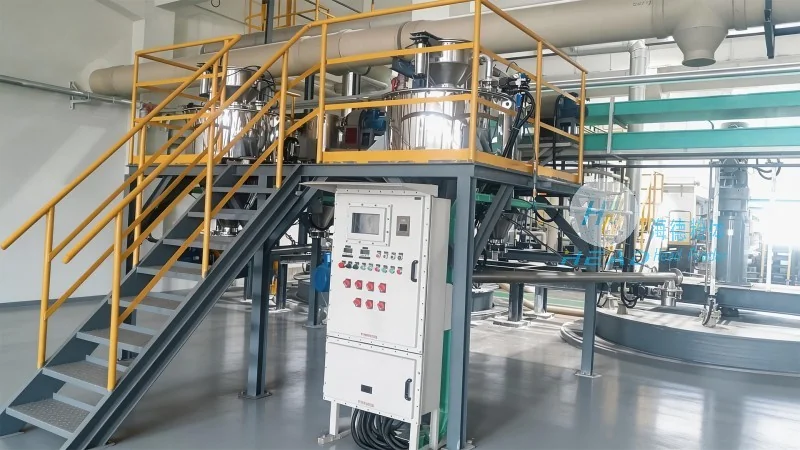
The PVC resin material handling equipment typically consists of several key components that work in tandem to facilitate the transport process. These components include feed hoppers, conveyor systems (such as screw conveyors or belt conveyors), control panels, and sometimes pneumatic or hydraulic systems for additional functionality. Each component is carefully designed to handle the unique properties of PVC resin, ensuring minimal material degradation and consistent flow rates.
Working Principle of the Equipment
The working principle of the PVC resin material handling equipment revolves around the controlled movement of the resin from the storage area to the processing unit. The process begins with the resin being fed into the hopper, where it is stored and prepared for transport. From the hopper, the resin is then transferred to the conveyor system, which moves it through the system using mechanical or pneumatic forces. The control panel allows operators to adjust the speed and direction of the conveyor, ensuring precise control over the material flow. This system is designed to maintain consistent pressure and temperature, preventing the resin from clogging or degrading during transport.
Operation Process: Step-by-Step Guide
The operation process of the PVC resin material handling equipment involves several sequential steps that ensure efficient and safe material transport. First, the resin is loaded into the feed hopper, where it is evenly distributed. Next, the conveyor system is activated, and the resin is moved through the system. The control panel monitors the flow rate and adjusts the speed as needed. The equipment also includes safety features such as overload protection and emergency stop buttons to prevent accidents and ensure operator safety. Finally, the resin is delivered to the processing unit, where it is further processed into the final product.
Advantages and Performance Characteristics
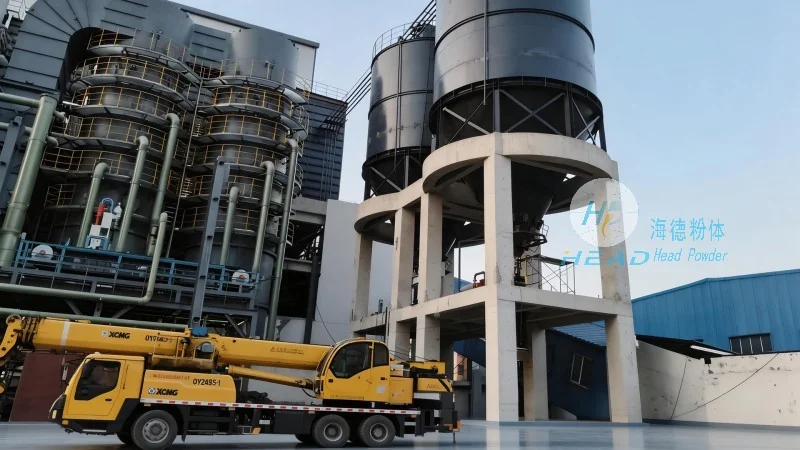
Shandong HeadPowder Engineering Co., Ltd.'s PVC resin material handling equipment offers several advantages that make it a preferred choice in the industry. The equipment is designed for high efficiency, with minimal downtime and low maintenance requirements. It is also highly durable, capable of handling the abrasive nature of PVC resin without significant wear and tear. The system's ability to maintain consistent flow rates and pressure ensures that the resin is delivered to the processing unit in optimal condition, reducing the risk of defects in the final product. Additionally, the equipment is equipped with advanced monitoring systems that provide real-time data on performance, allowing for quick adjustments and troubleshooting.
Applications and Industrial Use Cases
The PVC resin material handling equipment is widely used in various industrial applications, particularly in the manufacturing of PVC pipes, flooring, and other construction materials. In these applications, the equipment is essential for ensuring a continuous supply of resin to the processing line, reducing bottlenecks and improving overall production efficiency. The equipment is also used in chemical plants where PVC resin is used as a raw material for the production of other chemicals. The versatility of the equipment makes it suitable for a wide range of industrial settings, from small-scale operations to large-scale manufacturing facilities.
Maintenance and Operational Tips
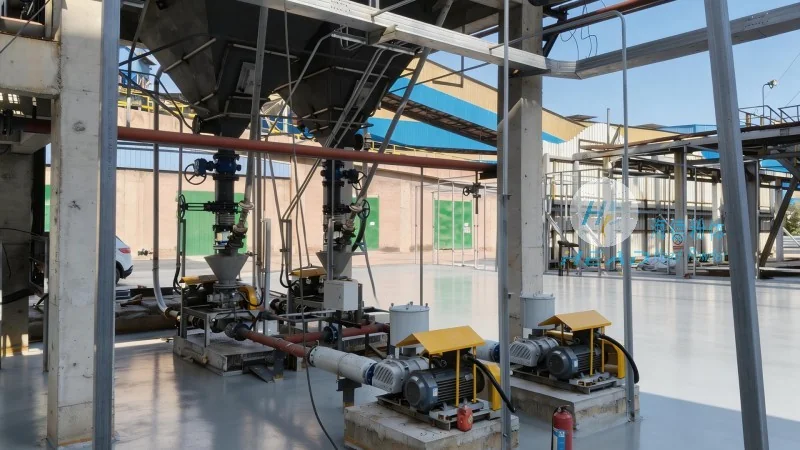
To ensure the optimal performance and longevity of the PVC resin material handling equipment, regular maintenance is essential. Operators should follow the manufacturer's guidelines for cleaning and lubrication of the components, particularly the conveyor system and bearings. Regular inspections should be conducted to check for signs of wear and tear, such as clogged conveyor belts or worn-out bearings. Additionally, the control panel should be checked regularly to ensure that all settings are correct and that the system is functioning as intended. By following these maintenance tips, operators can ensure that the equipment operates efficiently and safely, minimizing downtime and maximizing productivity.
Conclusion
Shandong HeadPowder Engineering Co., Ltd.'s PVC resin material handling equipment is a critical component in the efficient and reliable operation of industrial processes that involve PVC resin. The equipment is designed with advanced technology and careful consideration of the material's properties, ensuring that it meets the demands of modern industrial applications. With its high efficiency, durability, and ease of maintenance, the equipment is a valuable asset for any company involved in the production of PVC-based products. By understanding the operation process and working principles of this equipment, operators can ensure that it is used effectively, maximizing its benefits and contributing to the overall success of the production line.