

Analysis of Pneumatic Conveying Technology for Edible Salt: Comparison of Positive and Negative Pres
Pneumatic conveying is a critical technology in the food processing industry, particularly for handling bulk materials like edible salt. This method involves transporting dry or granular materials through a pipeline using a gas stream, typically air. For edible salt, which is a widely used ingredient in food production, efficient and reliable material handling is essential to maintain product quality and operational efficiency. The choice of pneumatic conveying system—specifically, the positive pressure or negative pressure mode—plays a pivotal role in determining the system's performance, cost, and suitability for different production environments.
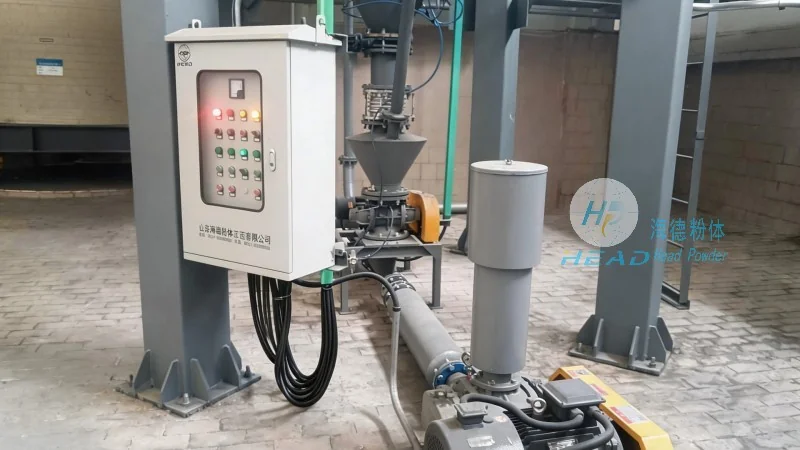
Introduction to Pneumatic Conveying for Edible Salt
Pneumatic conveying is a critical technology in the food processing industry, particularly for handling bulk materials like edible salt. This method involves transporting dry or granular materials through a pipeline using a gas stream, typically air. For edible salt, which is a widely used ingredient in food production, efficient and reliable material handling is essential to maintain product quality and operational efficiency. The choice of pneumatic conveying system—specifically, the positive pressure or negative pressure mode—plays a pivotal role in determining the system's performance, cost, and suitability for different production environments.
Understanding Positive Pressure and Negative Pressure Modes
Positive pressure pneumatic conveying systems operate by generating a higher pressure inside the conveying line than the ambient air pressure. The system uses a blower or fan to force air and the material through the pipeline. This mode is often preferred for applications requiring high material throughput and long-distance transport, as the positive pressure helps maintain material flow and prevents dust leakage. Conversely, negative pressure systems create a lower pressure inside the line compared to the ambient environment, using a vacuum pump to draw material and air into the pipeline. Negative pressure is typically used for shorter distances and applications where dust containment is a priority, as the system draws material into the line without exposing the material to high pressure.
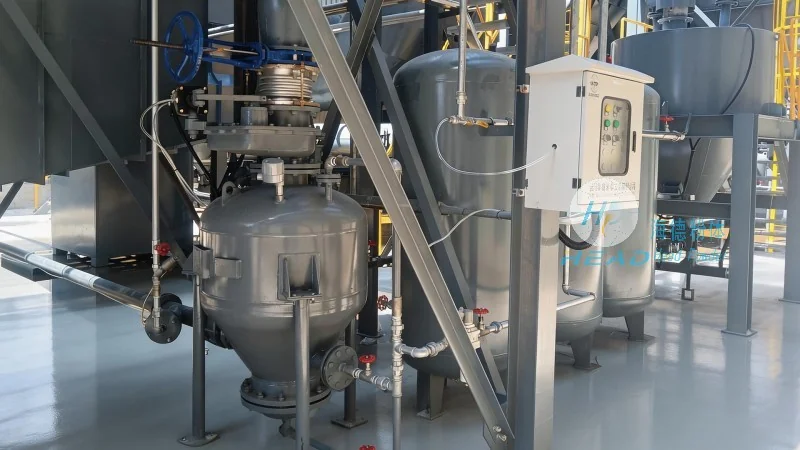
Technical Comparison of Positive and Negative Pressure Systems
Several key technical aspects differentiate positive and negative pressure pneumatic conveying systems. In terms of energy consumption, positive pressure systems generally require more power due to the need to generate higher pressure, while negative pressure systems may consume less energy but can be more complex to maintain due to the vacuum pump requirements. Material handling capacity is another critical factor; positive pressure systems can handle larger volumes and coarser materials, making them suitable for high-production food processing plants. Negative pressure systems, however, are better suited for fine powders or materials that are sensitive to pressure, as they operate at lower pressures that minimize particle degradation. Maintenance and operational costs also vary, with positive pressure systems often having simpler components (like direct-drive blowers) but potentially higher energy bills, whereas negative pressure systems may involve more complex vacuum equipment and higher maintenance for the vacuum pump.
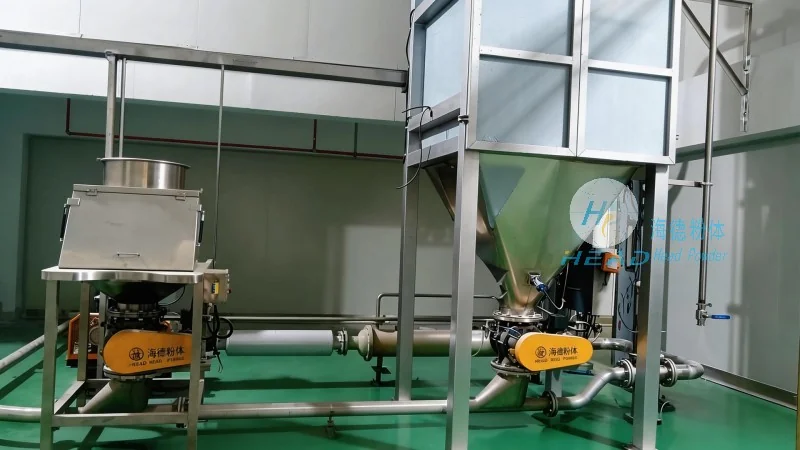
Application Scenarios and Practical Considerations
The selection between positive and negative pressure pneumatic conveying systems depends on several practical factors. For edible salt processing, where large quantities of salt need to be moved over significant distances in a food processing facility, a positive pressure system may be more appropriate due to its ability to handle high throughput and long pipeline lengths. This is particularly relevant in large-scale food production plants where efficiency and speed are paramount. On the other hand, in smaller processing units or applications where dust control is a primary concern, a negative pressure system might be preferred. Negative pressure systems excel in environments where minimizing dust exposure is critical, such as in facilities handling fine salt or where regulatory compliance for dust emission is strict. Additionally, the physical layout of the processing plant, including the location of the salt storage, processing equipment, and discharge points, influences the choice of system. For instance, if the storage silo is located at a higher elevation than the processing line, a positive pressure system can utilize gravity to assist in material flow, reducing energy consumption.
Company Profile: Shandong HeadPowder Engineering Co., Ltd.
Shandong HeadPowder Engineering Co., Ltd., a leading provider of pneumatic conveying solutions, specializes in designing and implementing customized systems for the food industry. With a focus on edible salt and other bulk food materials, the company leverages advanced engineering and technical expertise to deliver efficient and reliable conveying systems. HeadPowder's team of engineers and technicians work closely with clients to understand their specific operational needs, ensuring that the chosen pneumatic conveying system aligns with production requirements, space constraints, and budget considerations. The company's commitment to quality and innovation has made it a trusted partner in the food processing sector, providing solutions that enhance operational efficiency while maintaining the highest standards of product safety and compliance.