

Analysis of Graphene Pneumatic Conveying Technology: Comparison of Positive and Negative Pressure Mo
Graphene, a two-dimensional material with exceptional mechanical, electrical, and thermal properties, has become a key component in various industrial applications. The efficient and safe transportation of graphene powder is crucial for maintaining its quality and performance. Pneumatic conveying technology offers a non-contact, low-cost method for handling such materials. This article provides an in-depth analysis of the two primary pneumatic conveying modes—positive and negative pressure—specifically tailored for graphene powder, highlighting their operational principles, advantages, disadvantages, and suitable applications. The analysis is presented by Shandong HeadPowder Engineering Co., Ltd., a leading provider of advanced material handling solutions.
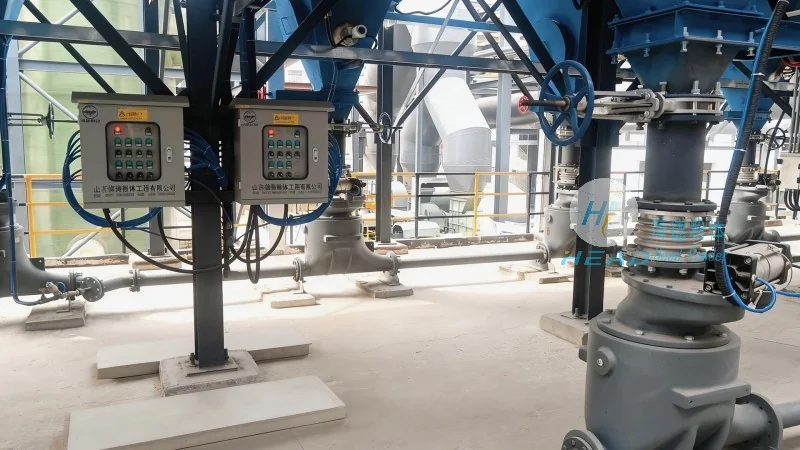
Introduction to Pneumatic Conveying for Graphene
Pneumatic conveying systems transport bulk materials like graphene powder through a pipeline using air or gas as the conveying medium. These systems are widely used in industries such as pharmaceuticals, chemicals, and advanced materials due to their ability to handle fine powders without contamination. The choice between positive and negative pressure modes depends on factors like material characteristics, system design, and operational requirements.
Positive Pressure Pneumatic Conveying
Positive pressure systems operate by blowing air or gas into the conveying line, creating a pressure higher than the ambient air pressure. This method is particularly effective for transporting materials that are difficult to handle, such as fine powders with high dust potential. In the context of graphene, positive pressure conveying ensures that the material is continuously drawn into the pipeline, reducing the risk of clogging and maintaining a consistent flow rate.
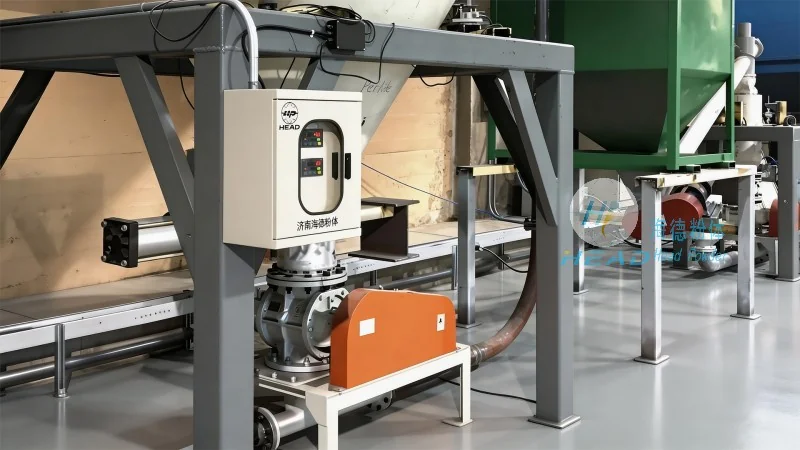
One of the key advantages of positive pressure systems is their ability to handle long-distance and high-capacity transport. They are also suitable for applications where the material needs to be delivered to multiple destinations, as the system can be easily branched. However, these systems require robust equipment to withstand higher pressures and may need additional filtration to prevent dust accumulation in the environment.
Negative Pressure Pneumatic Conveying
Negative pressure systems, also known as vacuum conveying, operate by creating a vacuum in the conveying line, drawing material from the source into the pipeline. This method is ideal for handling materials that are sensitive to pressure changes or for applications where the material needs to be collected from multiple points. For graphene, negative pressure conveying is particularly useful when the material is sourced from a hopper or a container, as it can efficiently draw the powder into the system without the need for mechanical feeding.
A major advantage of negative pressure systems is their lower energy consumption compared to positive pressure systems, especially for short-distance transport. They are also less likely to cause dust emissions at the source, making them suitable for applications where environmental regulations are strict. However, these systems may have limitations in handling very fine or cohesive powders, as the vacuum may not be sufficient to maintain a consistent flow.
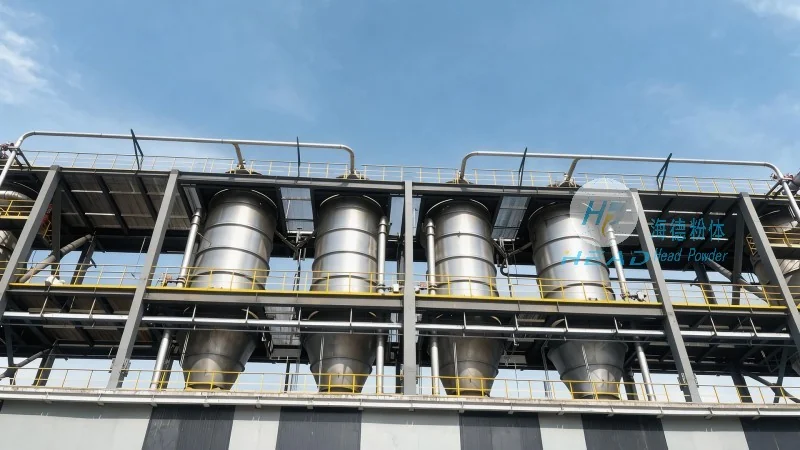
Comparison of Positive and Negative Pressure Modes
When selecting between positive and negative pressure pneumatic conveying for graphene, several factors must be considered. Positive pressure systems are generally more suitable for high-capacity, long-distance transport and for materials that are prone to clogging or have high dust generation. Negative pressure systems, on the other hand, are better suited for short-distance transport, sensitive materials, and applications where dust control is a priority.
From an operational perspective, positive pressure systems require more maintenance due to the higher pressures involved, while negative pressure systems may need more frequent filter changes to prevent clogging. The choice also depends on the specific characteristics of the graphene powder, such as its particle size, moisture content, and cohesive properties. For example, a fine, dry graphene powder may perform better in a positive pressure system, while a more cohesive or hygroscopic powder might benefit from negative pressure.
Application Scenarios and Practical Considerations
Positive pressure conveying is commonly used in large-scale production facilities where graphene is processed and then transported to storage or processing units. It is particularly effective when the material needs to be delivered to multiple locations within a plant, as the system can be easily integrated with existing infrastructure. Negative pressure conveying is often used in laboratory settings or for small-scale production, where the material is handled in smaller quantities and the focus is on maintaining a clean environment.
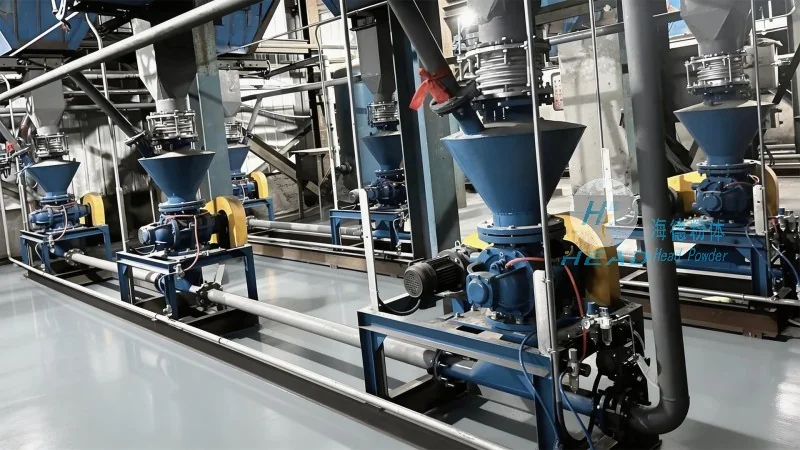
Another practical consideration is the impact of the conveying system on the quality of the graphene powder. Positive pressure systems may introduce more air into the material, potentially affecting its moisture content or particle size distribution. Negative pressure systems, by contrast, can maintain a more controlled environment, reducing the risk of contamination or degradation. Therefore, the choice of system should align with the specific quality requirements of the graphene application.
Conclusion
In conclusion, both positive and negative pressure pneumatic conveying modes offer viable solutions for transporting graphene powder, each with its own set of advantages and limitations. The selection of the appropriate mode depends on factors such as material characteristics, system capacity, operational distance, and environmental regulations. By understanding the operational principles and practical considerations of each mode, industries can optimize their graphene handling processes, ensuring efficiency, safety, and product quality.