

Zircon Sand Pneumatic Conveying Technology Analysis: Comparison of Positive and Negative Pressure Mo
Zircon sand, a critical raw material in the refractory, ceramics, and glass industries, demands efficient and reliable transportation to support seamless production workflows. Pneumatic conveying has emerged as a preferred method for handling zircon sand due to its ability to transport bulk materials over extended distances without mechanical components like conveyors or elevators. The two primary pneumatic conveying modes—positive pressure and negative pressure—each offer distinct operational advantages and are selected based on material characteristics and process requirements. This analysis explores the technical nuances of both modes, highlighting their differences, applications, and performance attributes.
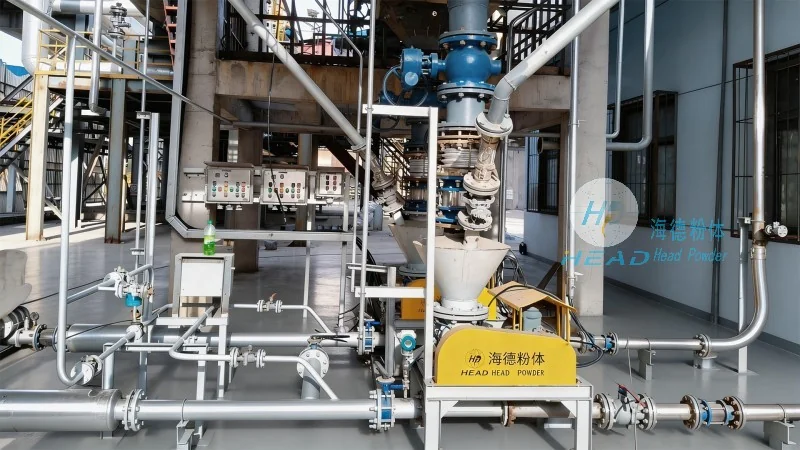
Positive Pressure Pneumatic Conveying Mode
Positive pressure pneumatic conveying operates by forcing air or a carrier gas into the conveying line, creating a pressure higher than the ambient environment. A blower or compressor generates the necessary pressure, propelling zircon sand particles through the pipeline. This mode excels in handling materials with high moisture content or those prone to caking, as pressurized air maintains particle separation and prevents blockages. The system typically includes a hopper, a rotary valve for material feeding, a blower, and a discharge point equipped with a filter to capture fine particles. Critical design considerations involve pipeline length, diameter, and bends, as these factors influence headloss and air velocity. For abrasive zircon sand, which can cause equipment wear, pipeline and component materials (e.g., stainless steel or specialized alloys) are essential to minimize maintenance and extend service life. Positive pressure systems are ideal for long-distance transport or multi-destination delivery, commonly used in plants where zircon sand is processed and distributed to various production units, such as refractory brick manufacturing or ceramic production.
Negative Pressure Pneumatic Conveying Mode
Negative pressure pneumatic conveying, or vacuum conveying, draws zircon sand particles into the system by creating a vacuum in the pipeline. A vacuum pump generates the suction, transporting material from the source. This mode is advantageous for short-distance transport or when collecting material from dispersed sources, and it minimizes dust emission by sealing the pipeline. The system comprises a hopper, rotary valve, vacuum pump, and filter for particle separation. Key design factors include the required vacuum level to overcome pipeline headloss and the vacuum pump’s capacity to handle flow rates. Abrasive zircon sand causes significant wear on vacuum pumps and filters, necessitating durable materials like stainless steel. Negative pressure systems excel in applications where material is transported from collection points to processing units, such as zircon sand blending or grinding. Their ability to draw material from multiple sources into a single pipeline enhances flexibility, reducing the need for multiple conveying lines.
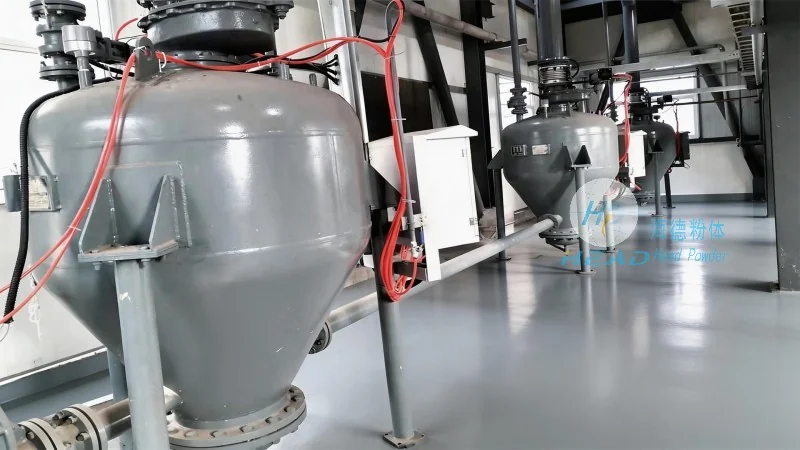
Comparison of Positive and Negative Pressure Modes
The choice between positive and negative pressure modes depends on material properties (e.g., particle size, moisture, abrasiveness) and operational needs. Positive pressure systems use external pressure to push material, while negative pressure systems rely on suction to pull it. Positive pressure is better for long distances and high air velocity requirements, as it maintains particle separation. It is also easier to install and maintain, with exposed components for servicing. However, it generates more dust and consumes more energy due to higher pressure maintenance. Negative pressure systems are more energy-efficient and suitable for short distances or materials sensitive to pressure changes. Their main drawback is higher equipment wear from abrasive zircon sand, increasing maintenance costs. Cost considerations also play a role: positive pressure systems use less expensive blowers, but negative pressure systems may require more robust pipelines and filters. Operational flexibility differs: negative pressure allows material collection from multiple points, whereas positive pressure is limited to a single hopper. Reliability is another factor—positive pressure systems are more reliable for continuous operation, as they do not depend on vacuum pump performance. Negative pressure systems may experience downtime if the pump fails or pipelines clog.
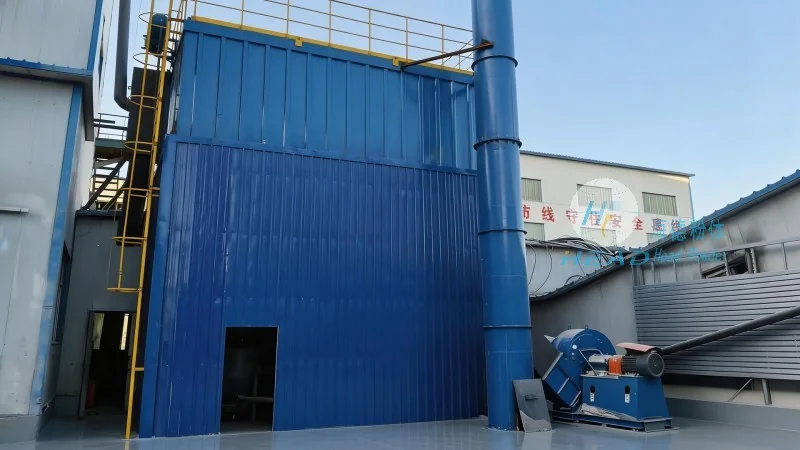
Application Examples and Performance Metrics
Real-world applications illustrate performance differences. In a refractory plant, a positive pressure system transports zircon sand 200 meters from a silo to a grinding mill at 0.6 bar pressure and 10 tons per hour. The 150 mm stainless steel pipeline operates at 20 m/s air velocity, with a 0.2 bar per 100 meters headloss, totaling 0.4 bar over 200 meters. The centrifugal blower (15 kW) has operated reliably for two years with minimal maintenance. Conversely, a ceramic plant uses a negative pressure system to collect zircon sand 50 meters to a blending unit at 0.5 bar vacuum and 5 tons per hour. The 100 mm PVC pipeline runs at 15 m/s, with 0.1 bar per 100 meters headloss (0.05 bar total). The rotary vane vacuum pump (10 kW) performs well, with low dust emissions and minimal wear. Performance metrics—conveying efficiency, energy consumption, and equipment wear—are critical. Positive pressure systems have higher efficiency due to higher air velocity but higher energy use. Negative pressure systems are more energy-efficient but less efficient for long distances. Abrasive zircon sand causes rapid wear on components like blower impellers or vacuum pumps, mitigated by high-quality materials and regular maintenance.
Conclusion and Recommendations
Both positive and negative pressure pneumatic conveying modes provide viable solutions for zircon sand transport, with each suited to specific conditions. Positive pressure is preferred for long distances and high air velocity needs, while negative pressure is ideal for short distances or multi-source collection. Selection should balance material properties, operational constraints, and cost. Positive pressure systems offer reliability and ease of maintenance, making them suitable for continuous production. Negative pressure systems excel in energy efficiency and dust control but require careful attention to equipment wear. Proper component selection (e.g., blower/vacuum pump, pipeline material, filter) and regular monitoring of system parameters (pressure, flow, temperature) are key to optimal performance. For zircon sand handling, partnering with specialized engineering firms like Shandong HeadPowder Engineering Co., Ltd. ensures tailored solutions addressing unique challenges. HeadPowder’s focus on quality and innovation provides customized pneumatic conveying systems that optimize production efficiency, reduce operational costs, and minimize environmental impact. By leveraging expertise in material handling and system design, clients achieve their production goals while maintaining system reliability and longevity.