

Analysis of Pearl Sand Pneumatic Conveying Technology: Comparison of Positive and Negative Pressure
HeadPowder, a leading provider in the field of material handling solutions, specializes in advanced pneumatic conveying systems for various industrial applications. This article delves into the technical aspects of pearl sand pneumatic conveying, focusing on the comparison between positive and negative pressure modes. Understanding the differences and advantages of each system is crucial for optimizing material transport efficiency and ensuring operational reliability in industrial processes.
Introduction to Pearl Sand Pneumatic Conveying
Pearl sand, a fine abrasive material commonly used in industries such as foundries, ceramics, and glass manufacturing, requires efficient and reliable transport methods to maintain production continuity. Pneumatic conveying systems offer a non-contact, dust-free solution for moving bulk materials like pearl sand, which is essential for maintaining a clean and safe working environment. The choice between positive and negative pressure modes significantly impacts the system's performance, cost, and suitability for specific applications.
Positive Pressure Pneumatic Conveying Systems
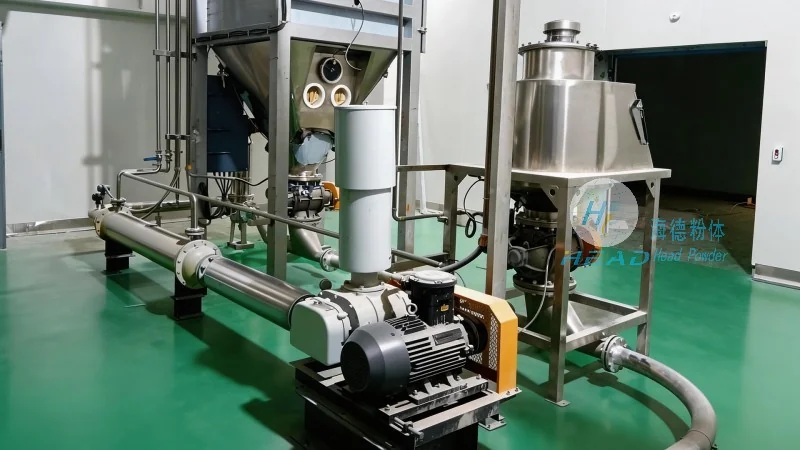
Positive pressure systems operate by generating air pressure within the conveying line, forcing the material to move from the inlet to the outlet. This mode is particularly effective for long-distance or high-rise applications where the material needs to be transported against gravity. The system typically includes a blower or compressor that supplies compressed air to the pipeline, creating a pressure differential that propels the material. HeadPowder's positive pressure solutions are designed to handle abrasive materials like pearl sand with minimal wear on components, ensuring long-term operational efficiency.
Negative Pressure Pneumatic Conveying Systems
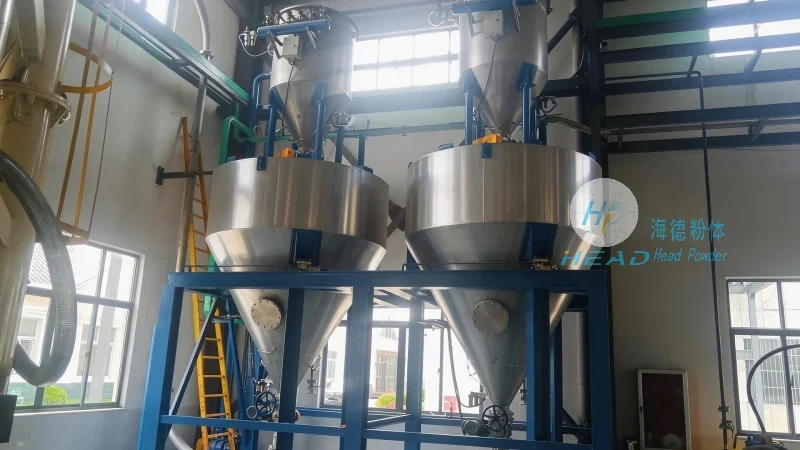
Negative pressure systems, also known as vacuum or suction systems, create a low-pressure environment in the conveying line, drawing the material from the inlet and pulling it to the outlet. This mode is ideal for applications where the material needs to be transported from a higher elevation to a lower one or where the material is sensitive to pressure changes. The system uses a vacuum pump to create the suction force, which is gentler on the material and can handle more delicate particles. However, negative pressure systems may be less efficient for long-distance transport and require careful maintenance to prevent dust leakage and system contamination.
Key Differences Between Positive and Negative Pressure Modes
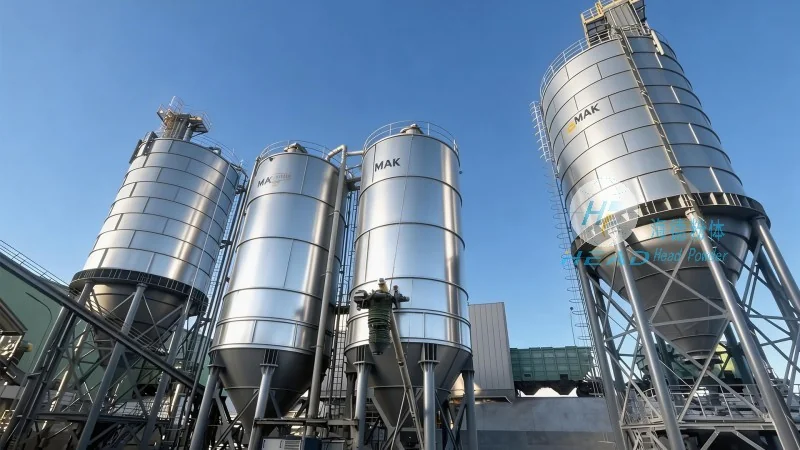
When comparing positive and negative pressure pneumatic conveying systems for pearl sand, several factors come into play. Positive pressure systems generally offer higher conveying capacities and are more suitable for abrasive materials due to the higher air pressure, which reduces particle attrition. They are also easier to install and maintain, as the system operates under positive pressure, minimizing the risk of external air ingress. On the other hand, negative pressure systems are more energy-efficient for short distances and can handle fine particles more gently, reducing the risk of material degradation. The choice between the two modes depends on the specific application requirements, including the distance, elevation changes, material characteristics, and operational constraints.
Advantages and Considerations for Each Mode
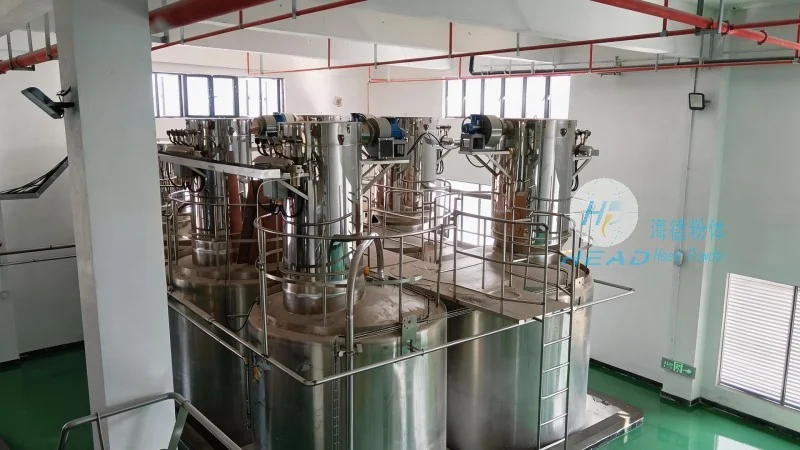
Positive pressure systems provide several advantages, including higher conveying rates, better control over material flow, and reduced risk of dust explosion due to the sealed system. However, they may require more energy to operate, especially for long-distance transport, and can be more expensive to install due to the need for robust components that can withstand high pressure. Negative pressure systems, while more energy-efficient for short distances, may pose higher risks of dust leakage and require more frequent maintenance to ensure system integrity. Additionally, the system's design must account for the potential for material buildup in the suction line, which can affect performance over time.
HeadPowder's Expertise in Pneumatic Conveying
Shandong HeadPowder Engineering Co., Ltd., based in Shandong, China, is a trusted partner for industries seeking reliable pneumatic conveying solutions. With years of experience in designing and manufacturing custom systems, HeadPowder offers tailored solutions that address the unique challenges of handling pearl sand and other abrasive materials. The company's expertise lies in understanding the material's properties and selecting the appropriate pressure mode and system components to ensure optimal performance and longevity. HeadPowder's commitment to quality and customer satisfaction has made it a leading choice for businesses in the foundry, ceramics, and glass industries.