

Analysis of Arsenic Trioxide Pneumatic Conveying System
For industrial applications requiring the safe and efficient handling of arsenic trioxide (As₂O₃), the choice of a reliable pneumatic conveying system is critical. This article provides an in-depth analysis of a specialized system designed to meet the unique challenges associated with transporting this hazardous material. The system is engineered by Shandong HeadPowder Engineering Co., Ltd., a company based in Shandong, China, with extensive expertise in material handling solutions for chemical and pharmaceutical industries.
System Overview and Core Components
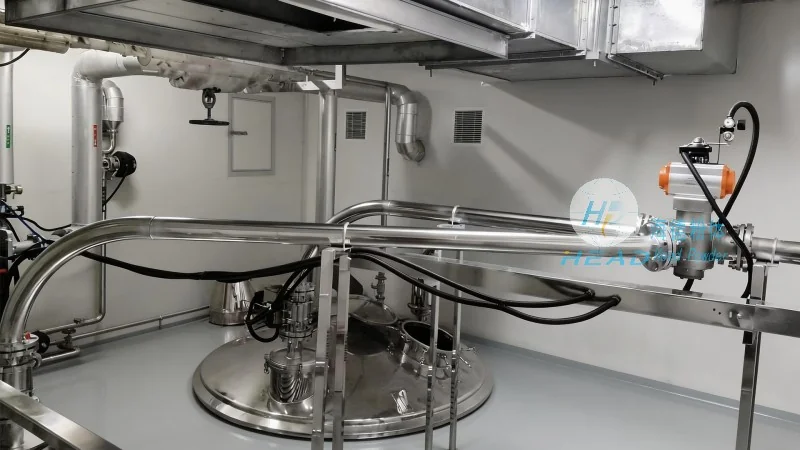
The pneumatic conveying system for arsenic trioxide incorporates several key components that work in tandem to ensure safe and efficient material transport. At its heart is a high-efficiency dust collector designed to capture and filter fine particles, preventing environmental contamination and ensuring compliance with industrial safety standards. The system utilizes a positive pressure or negative pressure conveying method, depending on the specific application requirements, to move the material through a network of pipes. A critical component is the material feed hopper, which is equipped with a sealed loading mechanism to prevent dust release during material intake. The conveying line itself is constructed from corrosion-resistant materials, such as stainless steel or specialized coatings, to withstand the chemical properties of arsenic trioxide and minimize wear and tear over time.
Advantages of the Pneumatic Conveying System
Compared to traditional mechanical conveying methods, the pneumatic system offers several distinct advantages for handling arsenic trioxide. One of the primary benefits is the elimination of manual handling, which significantly reduces the risk of exposure to the hazardous material for operators. The sealed system design minimizes the risk of dust dispersion, enhancing workplace safety and reducing the need for extensive personal protective equipment (PPE). Additionally, the system’s ability to transport material over long distances with minimal loss or degradation makes it ideal for large-scale production facilities. The automated control features, including real-time monitoring of pressure, flow, and temperature, provide operators with immediate feedback and allow for quick adjustments to maintain optimal performance. This level of control not only improves efficiency but also extends the lifespan of the system components by preventing overloading or excessive stress.
Technical Specifications and Performance Metrics
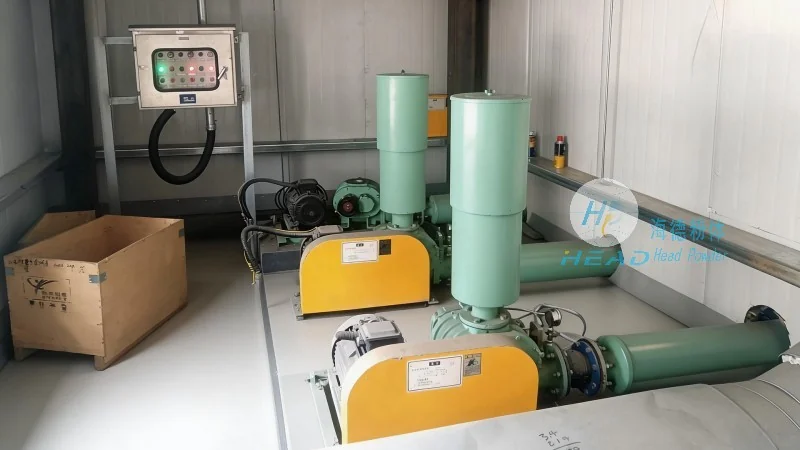
The system’s technical specifications are tailored to handle the specific characteristics of arsenic trioxide, including its fine particle size and potential for reactivity. The conveying velocity is optimized to prevent particle agglomeration and ensure consistent flow through the system. The pressure differential is carefully calibrated to balance the need for efficient transport with energy efficiency, minimizing operational costs. Performance metrics, such as material throughput capacity and system efficiency, are regularly monitored and adjusted to meet the evolving demands of the production process. The system’s design also incorporates redundancy features, such as backup pumps and filters, to ensure continuous operation even in the event of a component failure. This reliability is crucial for maintaining production schedules and minimizing downtime in industrial settings.
Safety and Compliance Considerations
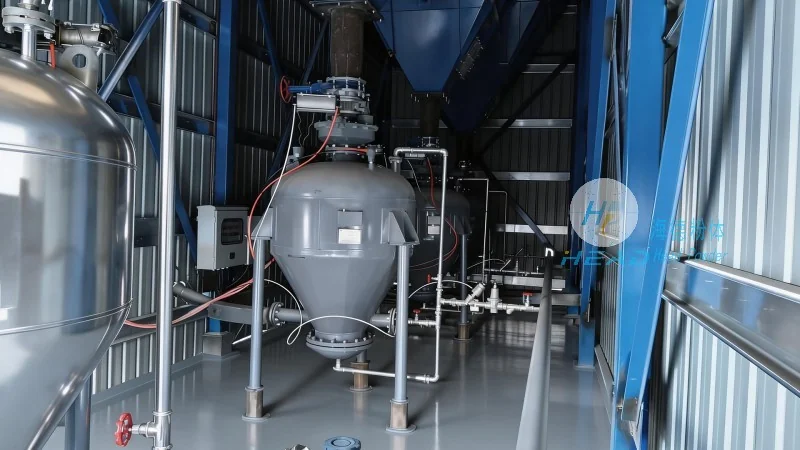
Given the hazardous nature of arsenic trioxide, safety is a paramount concern in the design and operation of the pneumatic conveying system. The system adheres to international safety standards, including those set by the Occupational Safety and Health Administration (OSHA) and the European Union’s REACH regulations. The sealed and enclosed design of the system prevents the release of toxic fumes or dust into the environment, reducing the risk of occupational exposure and environmental contamination. Regular maintenance and inspection procedures are integrated into the system’s operation to ensure that all components remain in good working condition and that safety features are functioning correctly. The use of corrosion-resistant materials and specialized seals further enhances the system’s durability and safety performance. Additionally, the system is equipped with emergency shutdown mechanisms that can be activated in the event of a malfunction, providing an additional layer of protection for both personnel and equipment.
Application Scenarios and Industry Impact
The pneumatic conveying system for arsenic trioxide is particularly well-suited for applications in the chemical and pharmaceutical industries, where the safe handling of hazardous materials is non-negotiable. It is commonly used in the production of pharmaceuticals, where arsenic trioxide may be used as a raw material or intermediate. The system’s ability to handle fine powders with precision makes it ideal for applications requiring high purity and minimal contamination. In addition to pharmaceutical production, the system can be adapted for use in other industries, such as mining or metal processing, where arsenic trioxide may be a byproduct or a processing agent. The system’s scalability allows it to be customized for both small-scale laboratory applications and large-scale industrial production lines, making it a versatile solution for a wide range of material handling needs. By improving the efficiency and safety of arsenic trioxide handling, the system contributes to the overall productivity and sustainability of industrial operations.