Desulfurization gypsum, a byproduct of flue gas desulfurization in thermal power plants and other industrial facilities, is widely used in construction, agriculture, and other fields. The efficient and reliable transportation of this fine powder is crucial for industrial operations. This article provides an overview of the powder conveying systems used for desulfurization gypsum, focusing on their structural principles and operational mechanisms.
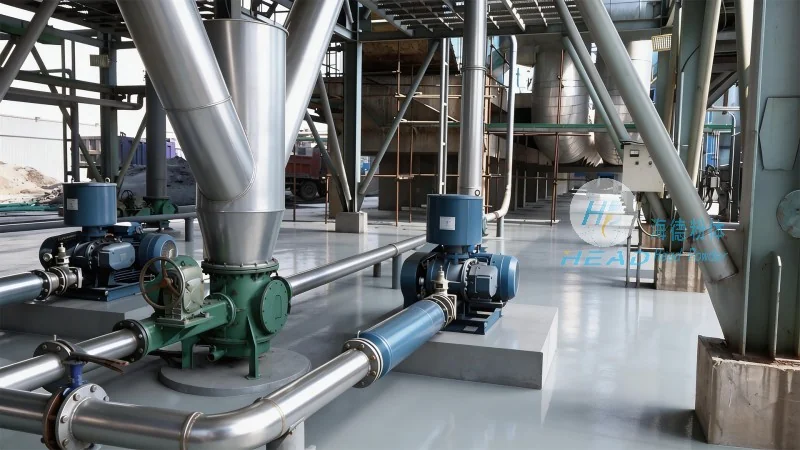
Understanding Desulfurization Gypsum Powder Conveying Systems
Desulfurization gypsum powder conveying systems are designed to handle the transportation of gypsum powder from storage silos or processing units to end-use applications. These systems typically consist of several key components, including feeders, conveyors, and control systems, all working in tandem to ensure smooth and continuous material flow. The choice of conveying method depends on factors such as the material's properties, required conveying distance, and operational environment.
Structural Principles of Powder Conveying Equipment
The structural design of desulfurization gypsum powder conveying equipment is tailored to address the unique challenges of handling fine, dusty materials. Key structural elements include robust feeding mechanisms to prevent material bridging and blockages, which are common issues with powders. Conveyors, often in the form of pneumatic or mechanical systems, are engineered to maintain consistent air or mechanical pressure to move the gypsum without causing degradation or segregation. For example, pneumatic conveying systems use air pressure to transport the powder through pipelines, while mechanical conveyors rely on belts, screws, or buckets to move the material. The selection of the appropriate conveyor type is critical to ensure efficient operation and minimize downtime.
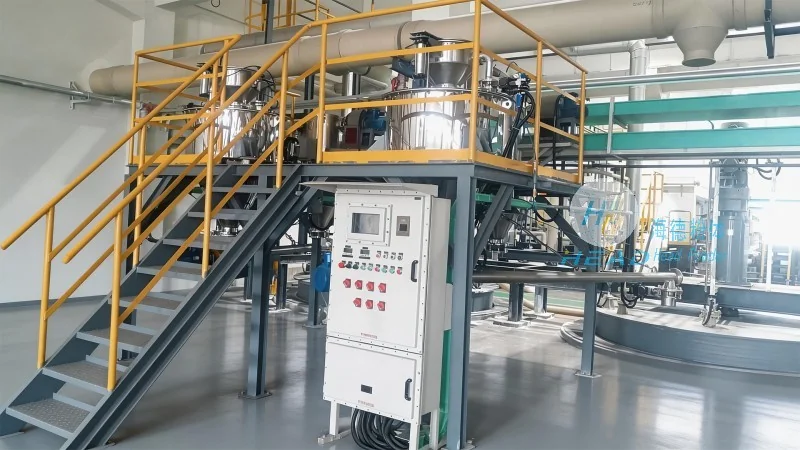
Key Components and Their Functions
Several components are integral to the effective operation of desulfurization gypsum powder conveying systems. The feed hopper or silo serves as the storage and feeding unit, ensuring a steady supply of material to the conveyor. The feeder, such as a rotary valve or screw feeder, regulates the flow rate of the gypsum into the conveyor, preventing overloading and maintaining consistent material feed. The conveyor itself, whether pneumatic or mechanical, is responsible for transporting the powder to the destination. In pneumatic systems, the pipeline network is designed to minimize pressure drops and ensure uniform material distribution. In mechanical systems, the conveyor belt or screw is engineered to handle the abrasive nature of gypsum without excessive wear. Control systems, including sensors and automation, monitor the system's performance, adjusting parameters like air pressure or feed rate as needed to maintain optimal operation.
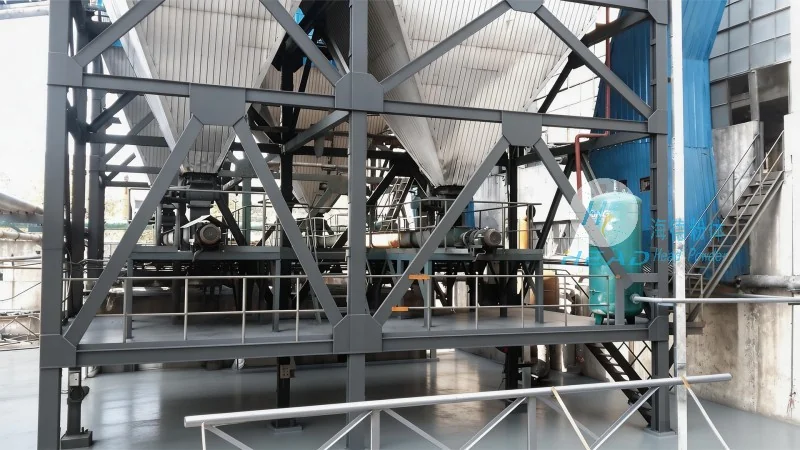
Operational Considerations and Maintenance
Efficient operation of desulfurization gypsum powder conveying systems requires careful consideration of operational parameters and regular maintenance. Factors such as temperature, humidity, and material moisture content can affect the conveying performance and may lead to issues like caking or blockages. Proper sealing and cleaning of the system components are essential to prevent material buildup and maintain air or mechanical efficiency. Regular inspections of the conveyor components, including belts, screws, and pipelines, are necessary to detect wear and tear early and schedule timely replacements. Additionally, the use of dust collection systems and proper ventilation is crucial for maintaining a safe and healthy working environment, as gypsum powder can be respiratory irritants.
About Shandong HeadPowder Engineering Co., Ltd.
Shandong HeadPowder Engineering Co., Ltd., commonly known as headpowder, is a leading manufacturer and supplier of powder conveying systems and related equipment. With headquarters in Shandong, China, the company specializes in designing and producing customized solutions for handling various fine powders, including desulfurization gypsum. Headpowder's products are engineered to meet the specific needs of industrial clients, ensuring high efficiency, reliability, and durability. The company's commitment to quality and customer satisfaction has made it a trusted partner in the powder handling industry. For more information about their desulfurization gypsum powder conveying systems and other products, please visit their official website or contact their sales team.




