Coffee bean powder conveying is a critical process in the coffee production industry, enabling the efficient transport of ground coffee from processing stages to storage or packaging areas. For businesses operating in this sector, selecting the right conveying system is essential to maintain product quality, minimize waste, and optimize operational costs. This overview delves into the key components, structural design, and operational principles of coffee bean powder conveying systems, providing insights that can guide equipment selection and system optimization.
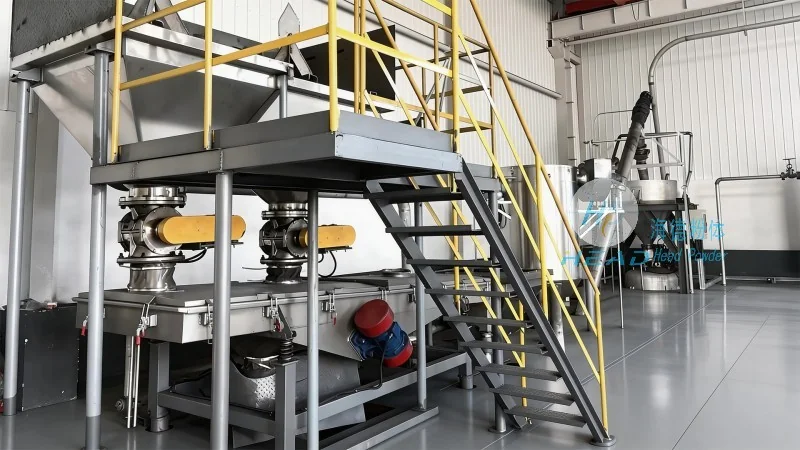
Key Structural Components of Coffee Bean Powder Conveying Systems
At the core of coffee bean powder conveying systems are several critical components that work in tandem to ensure effective material transport. The primary elements include the hopper or inlet, which serves as the entry point for the coffee powder, and the conveyor itself—often a pneumatic or mechanical system designed to move the material through the pipeline. Additionally, control valves, pressure regulators, and filtration units are integral to managing airflow and preventing material buildup or contamination. These components are engineered to handle the unique properties of coffee powder, such as its fine particle size and potential for static electricity, ensuring reliable operation in a variety of industrial settings.
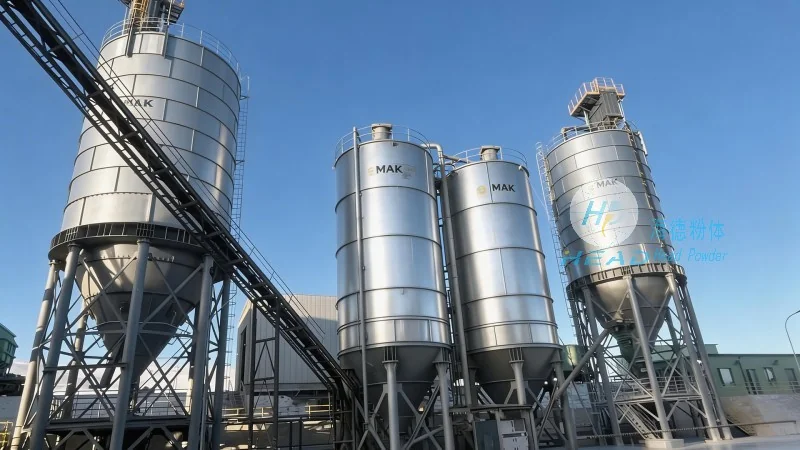
Operational Principles and Working Mechanisms
The operational principles of coffee bean powder conveying systems vary based on the chosen technology, with two primary methods being widely used: pneumatic conveying and mechanical conveying. Pneumatic systems utilize compressed air to move the powder through a sealed pipeline, while mechanical systems rely on rotating screws or belts to transport the material. Both approaches have distinct advantages and are selected based on factors like material characteristics, system length, and required throughput. For coffee powder, pneumatic conveying is often preferred due to its ability to handle fine particles and minimize product degradation, as it reduces direct contact with mechanical parts and maintains a consistent flow rate.
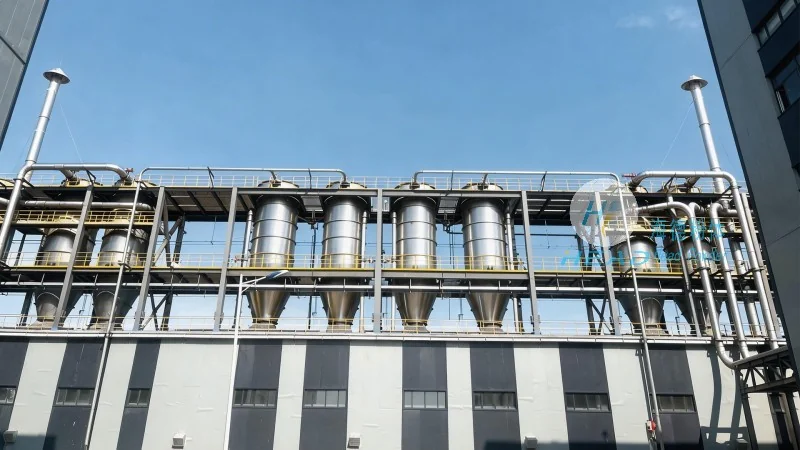
Application Scenarios and Industry Benefits
Coffee bean powder conveying systems are widely applied in various stages of coffee processing, from post-roasting grinding to packaging. In grinding operations, these systems efficiently transport freshly ground coffee from the grinder to storage silos or packaging lines, ensuring that the product remains fresh and free from contamination. During packaging, the conveying systems deliver the powder to filling machines, where it is accurately measured and sealed into bags or containers. The benefits of using specialized conveying equipment include improved product quality, reduced labor costs, and enhanced safety by minimizing manual handling of fine powders. These systems also contribute to environmental sustainability by reducing dust emissions and improving overall operational efficiency.
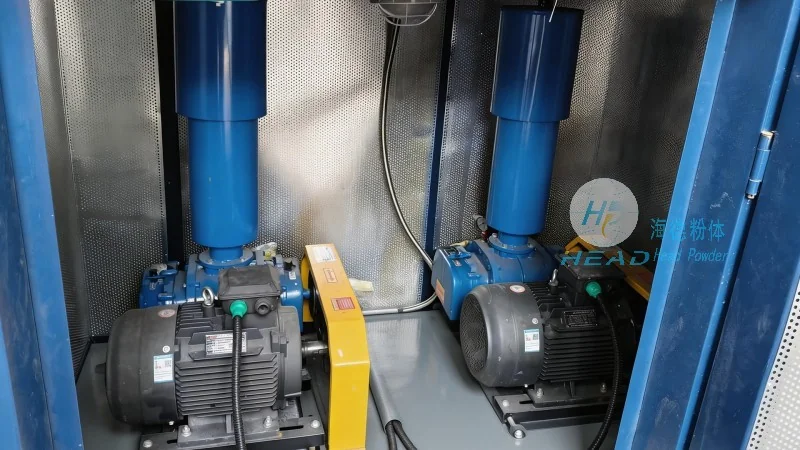
Choosing the Right System for Your Business
When selecting a coffee bean powder conveying system, businesses must consider several factors to ensure optimal performance. The first step is to evaluate the material properties of the coffee powder, including particle size, moisture content, and flowability. This information helps determine the most suitable conveying technology—whether pneumatic or mechanical—and the appropriate system configuration. Additionally, the system's capacity and scalability are critical, as facilities may need to expand their production over time. Working with a reputable supplier, such as Shandong HeadPowder Engineering Co., Ltd., can provide tailored solutions that address specific operational challenges and align with long-term business goals. The company specializes in designing and manufacturing custom conveying systems for the coffee industry, leveraging years of experience to deliver reliable and efficient solutions that meet the unique demands of coffee processing.




