Environmental protection powder pneumatic conveying systems represent a crucial advancement in material handling technology, designed to efficiently transport bulk powders while minimizing environmental impact. These systems are widely used across various industries, including chemical, food, pharmaceutical, and mining, where the safe and sustainable movement of powders is essential. The core principle of such systems involves using compressed air or other gases to transport dry powders through a pipeline network, eliminating the need for traditional mechanical conveyors that often generate dust and require extensive maintenance.
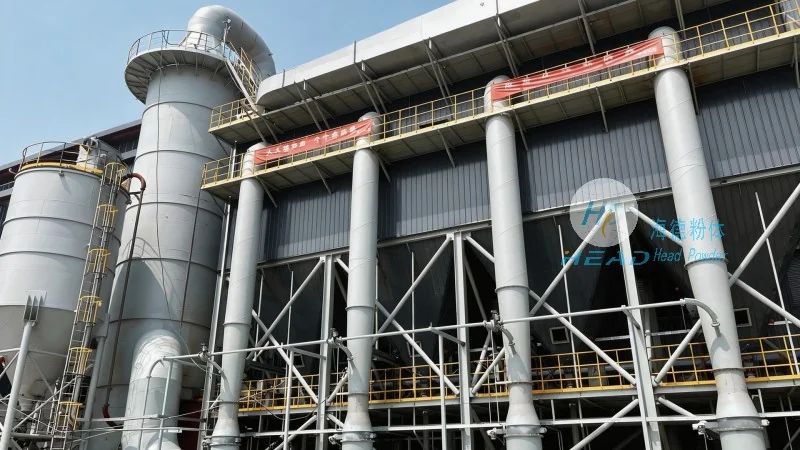
Core Principles of Pneumatic Conveying Technology
The fundamental principle behind powder pneumatic conveying is the creation of a pressure differential that propels the powder particles through the system. There are two primary types of pneumatic conveying systems: pressure and vacuum. Pressure systems operate by injecting air or gas into the conveying line at a higher pressure than the ambient environment, pushing the powder forward. Vacuum systems, on the other hand, use a vacuum pump to create a negative pressure that draws the powder into the line. Both methods rely on the interaction between the gas and the powder particles to achieve efficient transport. The system typically includes components such as a hopper for material storage, a feeder to control the flow rate, a conveying line, and a receiver to collect the material at the destination. The design of these components is critical to ensure consistent performance and minimal wear on the equipment.
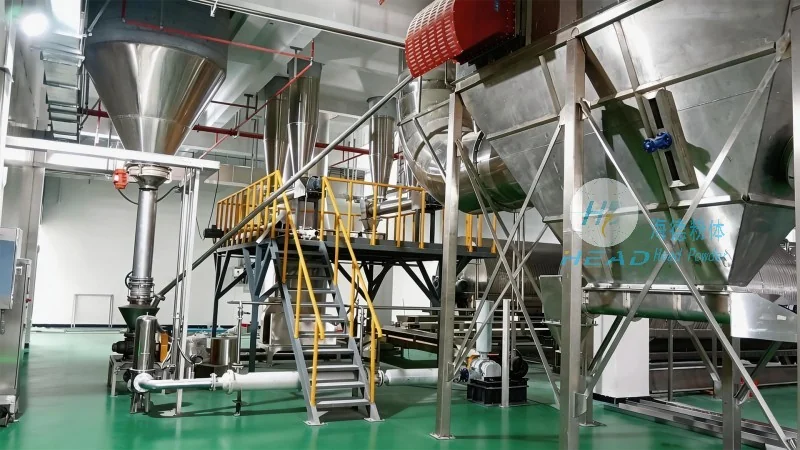
Key Working Scene Characteristics
The working scene characteristics of environmental protection powder pneumatic conveying systems are tailored to meet specific operational needs and environmental standards. One of the most significant advantages is the ability to handle a wide range of powder types, from fine powders like flour to coarse materials like cement. The systems are also designed to minimize dust emissions, which is vital for maintaining air quality and compliance with environmental regulations. In industrial settings, these systems are often integrated into larger production lines, enabling seamless material transfer between processes such as mixing, packaging, and storage. The flexibility of pneumatic conveying allows for easy adaptation to changing production demands, as the system can be adjusted to handle varying flow rates and material types. Additionally, the systems are generally compact and can be installed in confined spaces, making them suitable for facilities with limited floor space. The operational efficiency of these systems is further enhanced by the use of advanced control systems that monitor pressure, flow, and particle size, ensuring optimal performance and reducing downtime.
Application Scenarios and Industry Impact
Environmental protection powder pneumatic conveying systems are applied in diverse industrial scenarios, each with unique requirements. In the chemical industry, for example, these systems are used to transport reactive powders safely, preventing contamination and ensuring worker safety. The food and pharmaceutical industries rely on these systems to maintain strict hygiene standards, as the enclosed design prevents cross-contamination and dust exposure. In mining operations, pneumatic conveying is used to transport raw materials from mines to processing facilities, reducing the need for heavy machinery and minimizing environmental disruption. The working scene characteristics also include the ability to handle hazardous materials, as the system can be equipped with explosion-proof components to prevent accidents. The impact of these systems extends beyond operational efficiency, as they contribute to sustainability by reducing energy consumption compared to traditional conveyors and minimizing waste through precise material control.
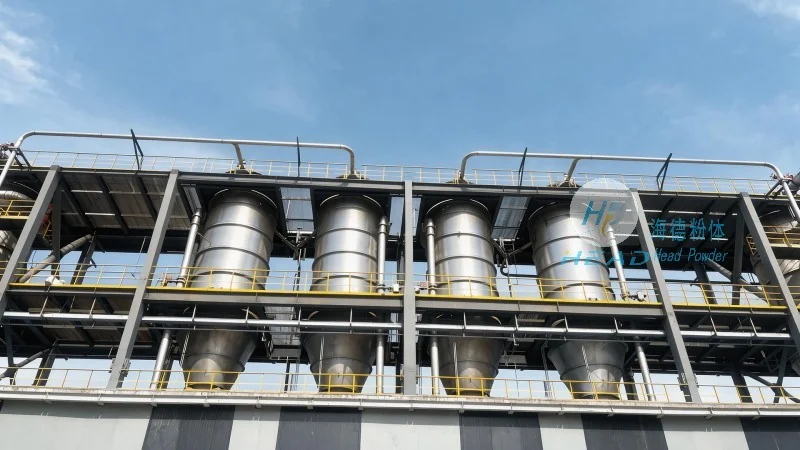
About Shandong HeadPowder Engineering Co., Ltd.
Shandong HeadPowder Engineering Co., Ltd., commonly known as headpowder, is a leading manufacturer specializing in the design and supply of environmental protection powder pneumatic conveying systems. With a strong commitment to innovation and quality, the company has established itself as a trusted partner in the material handling industry. Headpowder's systems are engineered to meet the highest standards of performance, reliability, and environmental compliance. The company's headquarters is located in Shandong, China, where it leverages advanced manufacturing capabilities and technical expertise to deliver customized solutions tailored to the specific needs of its clients. By focusing on sustainable technology and customer satisfaction, headpowder continues to play a vital role in advancing the efficiency and safety of bulk material transport across various sectors.




