Principle and Working Scene Characteristics of Continuous Feeding Powder Pneumatic Conveying Systems
Release time:2026-09-19 16:01:33
name of the company:Shandong Headpowder Engineering Co., Ltd.
telephone:156-6277-7102
contacts:Zhang manager
HeadPowder, a leading engineering company based in Shandong, China, specializes in the design and implementation of advanced powder handling solutions. With a strong focus on innovation and efficiency, the company provides comprehensive services tailored to the unique needs of various industrial sectors.
Principle of Continuous Feeding Powder Pneumatic Conveying Systems
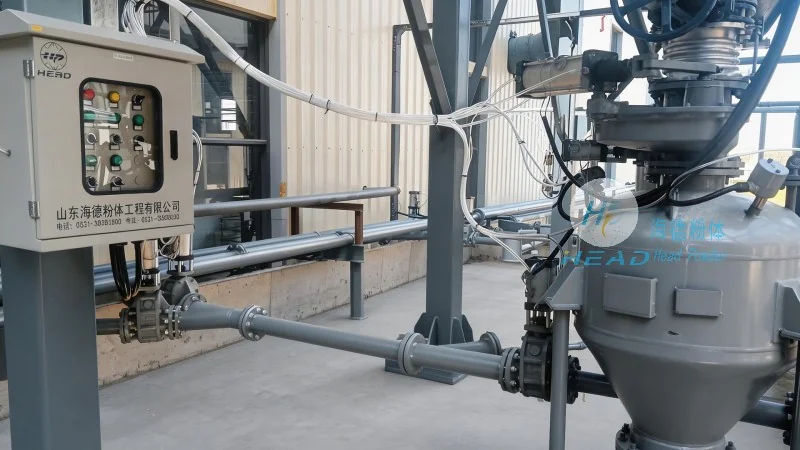
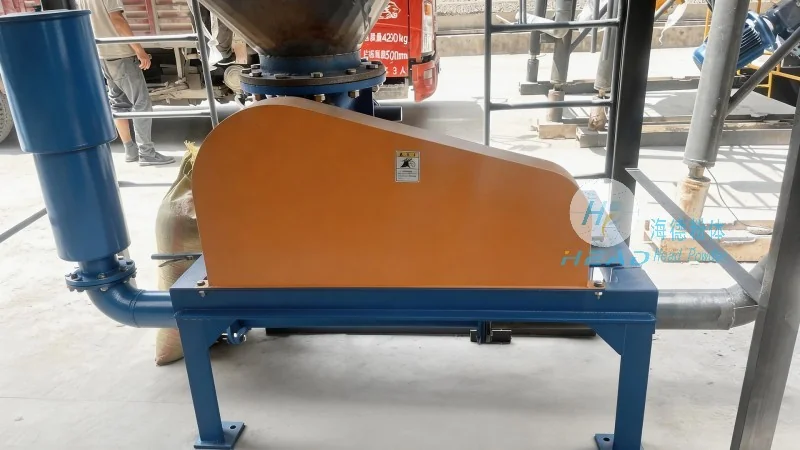
Continuous feeding powder pneumatic conveying systems operate on the fundamental principle of transporting bulk powders through a pressurized or vacuum environment using air or other gases. The system typically consists of a hopper for material storage, a feeder to control the flow rate, a conveying line, and a receiver for the discharged material. The continuous feeding mechanism ensures a steady and controlled supply of powder, which is crucial for maintaining consistent flow rates and preventing material buildup or clogging. This approach contrasts with batch feeding systems, offering enhanced operational stability and reduced downtime. Continuous feeding powder pneumatic conveying systems utilize a consistent flow of material from the hopper, which is fed into the conveying line via a controlled feeder. The air flow, generated by a blower or fan, propels the powder particles through the pipeline. The system's design allows for precise control over the air velocity and material feed rate, ensuring optimal conveying efficiency. This continuous operation reduces the need for frequent system startups and shutdowns, leading to lower operational costs and increased reliability. The use of positive pressure systems is common in applications requiring high material flow rates, while negative pressure systems are preferred for handling dust-sensitive or hazardous materials.
Working Scene Characteristics of Continuous Feeding Powder Pneumatic Conveying Systems
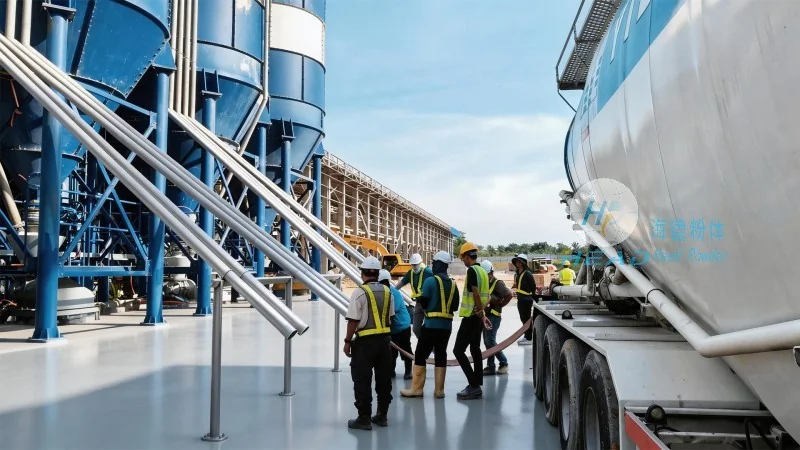
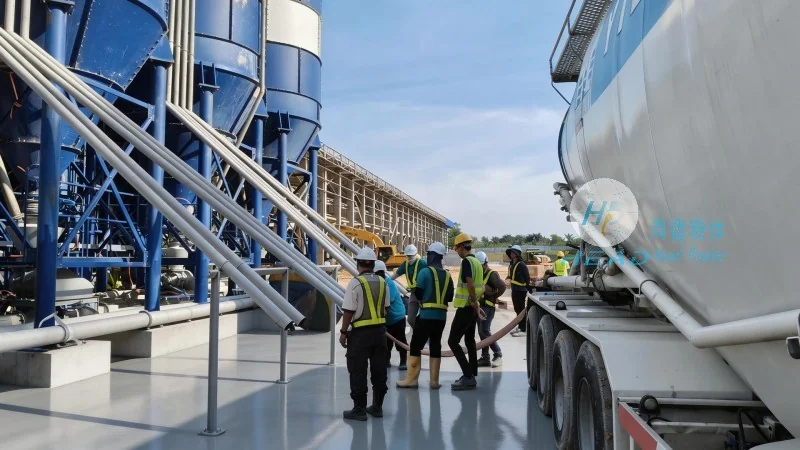
The working scene characteristics of these systems are tailored to meet the demands of diverse industrial applications. Key features include high throughput capabilities, which allow for the efficient transport of large volumes of powder over long distances. The systems are designed to handle a wide range of powder types, from fine powders to bulk materials, with adjustable parameters to optimize performance. Additionally, the continuous feeding design minimizes the risk of material segregation and ensures uniform product quality. In industrial settings, such as pharmaceutical manufacturing, food processing, and chemical production, these systems enhance productivity by enabling seamless material transfer between processing stages. The ability to operate under different pressure conditions (positive or negative) further expands their applicability across various industries. These systems are particularly effective in scenarios where material handling needs to be integrated with other production processes. For instance, in pharmaceutical plants, the system can be integrated with granulation and drying units to transport raw materials or finished products. In food processing facilities, the continuous feeding design ensures that powders like flour or sugar are transferred without contamination, maintaining product safety standards. The adaptability of the system to different operating pressures and material properties makes it suitable for a wide array of industrial environments, from small-scale batch production to large-scale continuous manufacturing. Furthermore, the modular design of these systems allows for easy expansion or modification to accommodate changing production requirements, providing long-term value to industrial clients.




