Intermittent feeding pneumatic conveying machines are essential equipment in material handling systems, designed to transport bulk materials efficiently over short to medium distances. These systems utilize a combination of air flow and mechanical action to move materials from a source to a destination, offering a flexible and reliable solution for various industrial applications. The operation of such machines involves a series of controlled steps that ensure smooth and consistent material transfer, making them a preferred choice for industries dealing with powders, granules, and other dry bulk materials. Developed by Shandong HeadPowder Engineering Co., Ltd. (headpowder), these machines are engineered to meet the diverse needs of modern industrial processes.
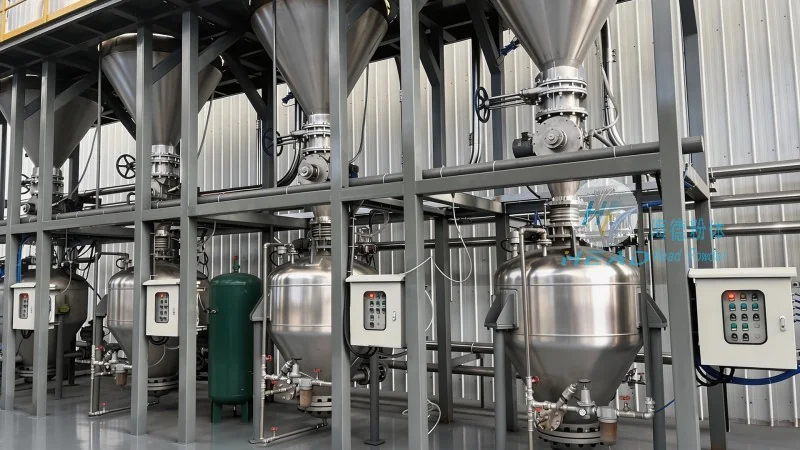
Key Components and Their Roles
The core components of an intermittent feeding pneumatic conveying system include a hopper for material storage, a feeder mechanism to control the flow rate, a conveying pipe network, a fan or blower to generate air pressure, and a receiver for the discharged material. Each component plays a critical role in the overall performance and efficiency of the system. The hopper provides a stable feed source, while the feeder ensures that material is introduced into the system at a controlled rate, preventing overloading or underfeeding. The conveying pipe network transports the material and air mixture, and the fan or blower creates the necessary pressure to move the material through the system. The receiver collects the material as it is conveyed, completing the process.
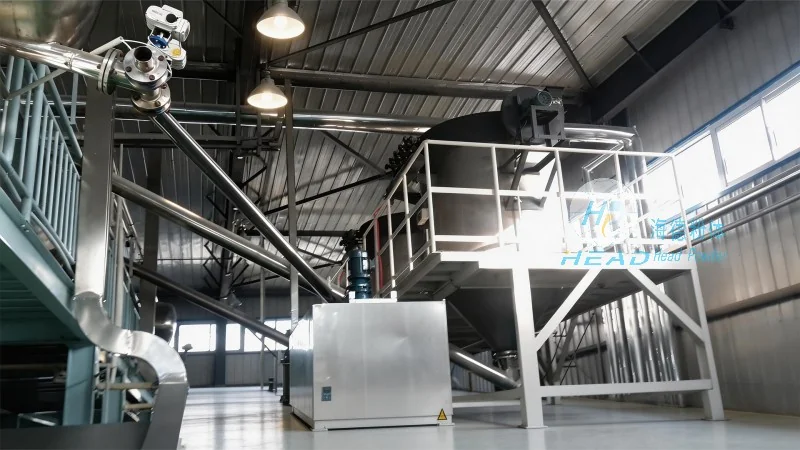
Operation Process: Step-by-Step Overview
The operation of an intermittent feeding pneumatic conveying machine typically follows a sequence of steps that are repeated in cycles. First, the hopper is filled with the material to be conveyed. The feeder then starts, releasing a controlled amount of material into the conveying pipe. Simultaneously, the fan or blower activates, generating air pressure that propels the material through the pipe. As the material travels, it is mixed with the air, forming a slurry that moves towards the receiver. The receiver is designed to separate the material from the air, allowing the material to be discharged and the air to be filtered or recirculated. This cycle repeats until the hopper is emptied or the required amount of material has been transferred.
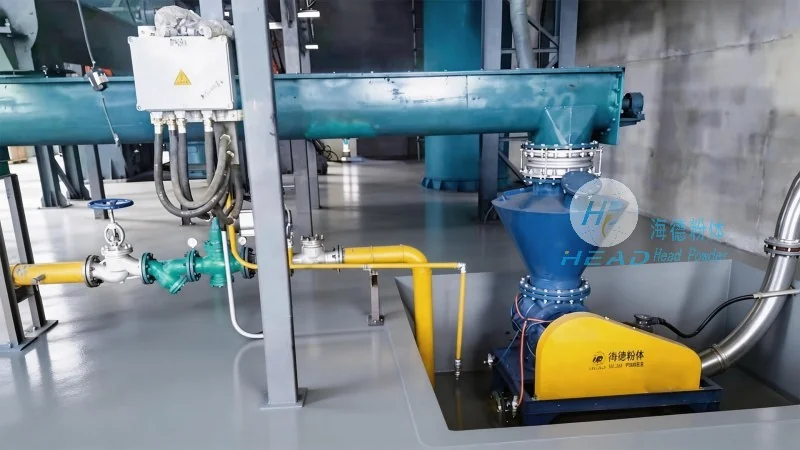
Working Principle: How It Works
The working principle of an intermittent feeding pneumatic conveying machine is based on the principle of pneumatic transport, where material is moved by the force of moving air. The system operates by creating a pressure differential between the hopper and the receiver. The fan or blower increases the pressure in the conveying pipe, causing air to flow from the receiver back to the hopper. As air flows, it picks up material from the feeder and carries it through the pipe. The material is then deposited in the receiver when the air pressure drops or when the material reaches the end of the pipe. The intermittent nature of the feeding process allows for precise control over the material flow rate, which is crucial for maintaining consistent product quality and preventing material degradation.
Advantages and Applications
Intermittent feeding pneumatic conveying machines offer several advantages over other material handling methods, including high efficiency, low maintenance, and the ability to handle a wide range of materials. They are commonly used in industries such as food processing, pharmaceuticals, chemicals, and mining, where the transport of powders and granules is required. The controlled feeding and conveying process ensures that materials are handled gently, reducing the risk of product degradation or contamination. Additionally, these systems can be easily integrated into existing production lines, making them a cost-effective solution for material handling needs.
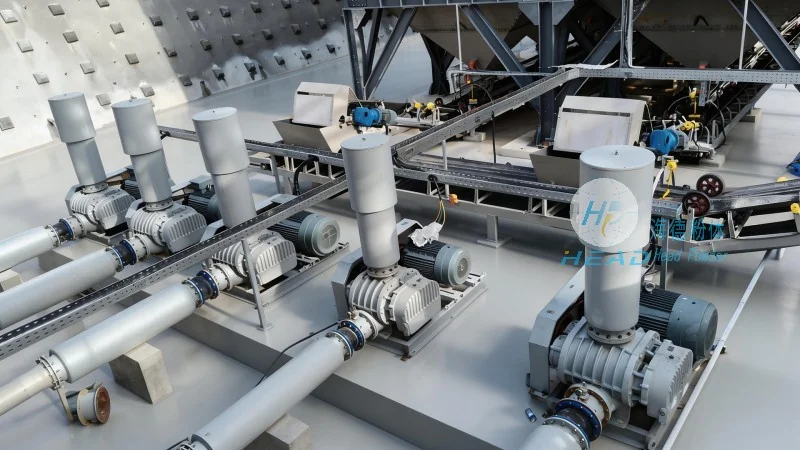
Conclusion
Intermittent feeding pneumatic conveying machines are a reliable and efficient solution for transporting bulk materials in various industrial applications. By understanding the operation process and working principle, users can optimize the performance of these systems and ensure smooth material handling operations. With proper maintenance and operation, these machines can provide long-term service and contribute to improved productivity in material handling processes.




