Positive pressure blown pneumatic conveying equipment, also known as positive pressure pneumatic conveyors, is a specialized system designed for the efficient transport of bulk materials through a pipeline using compressed air. This technology is widely used in various industries to move powders, granules, and other particulate materials from one location to another with high efficiency and minimal maintenance requirements.
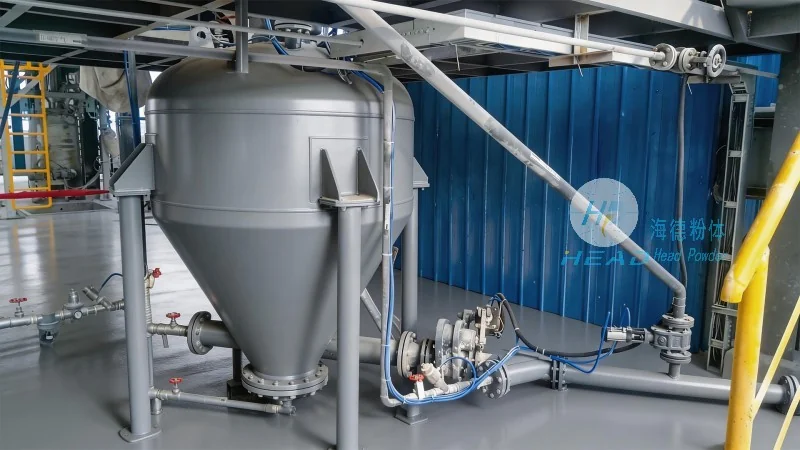
Overview of Positive Pressure Blown Pneumatic Conveying Systems
At the core of a positive pressure blown system is the use of compressed air to create a pressure differential that propels material through a sealed pipeline. Unlike negative pressure (suction) systems, positive pressure systems operate by forcing air and material through the pipeline, ensuring consistent and reliable material transport. The system typically consists of a blower or compressor, a material feed hopper, a conveying line, and a discharge unit. The design of these components is optimized to handle different material characteristics, such as particle size, moisture content, and flowability, ensuring optimal performance.
Key Components of the Positive Pressure Blown Pneumatic Conveying System
The effectiveness of a positive pressure blown pneumatic conveying system depends on several critical components working in harmony. The blower or compressor is the primary power source, providing the necessary pressure and airflow to move the material. It is usually selected based on the material's specific gravity, bulk density, and the required conveying distance. The material feed hopper is designed to store and meter the material into the conveying line, often equipped with a rotary valve or feeder to control the flow rate. The conveying line, typically made of stainless steel or other corrosion-resistant materials, is sealed to prevent material leakage and maintain the pressure within the system. The discharge unit, such as a rotary valve or a venturi, regulates the material's exit from the pipeline, ensuring a controlled and uniform discharge.
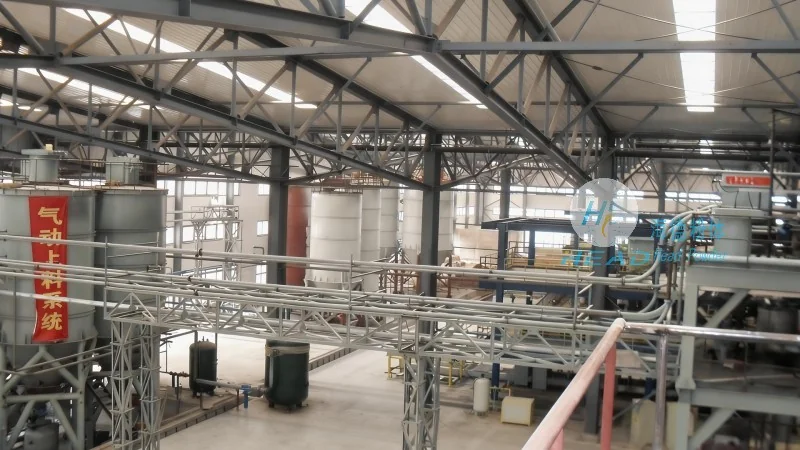
Operation Process of Positive Pressure Blown Pneumatic Conveying
The operation process of a positive pressure blown pneumatic conveying system involves several sequential steps. First, the material is loaded into the feed hopper from a storage silo or bulk container. The rotary valve or feeder then meters the material into the conveying line at a controlled rate. Simultaneously, the blower or compressor supplies compressed air, which mixes with the material in the hopper and is then forced through the conveying line. As the air and material mixture travels through the pipeline, the pressure differential ensures that the material is propelled forward. The system is designed to maintain a consistent pressure and airflow, preventing clogging and ensuring smooth material transport. The discharge unit at the end of the line receives the material and releases it into the target container or processing equipment. The entire process is automated, with sensors and controls monitoring the system's performance to adjust parameters as needed.
Working Principle of Positive Pressure Blown Pneumatic Conveying
The working principle of positive pressure blown pneumatic conveying is based on the fundamental concept of fluidization and pneumatic transport. When compressed air is introduced into the material in the hopper, it creates a mixture of air and particles. The air acts as a fluid, suspending the particles and allowing them to be carried through the pipeline. The pressure applied by the blower is sufficient to overcome the gravitational force and frictional resistance within the pipeline, ensuring the material moves efficiently. The velocity of the air and the particle size distribution are critical factors in determining the system's performance. Proper design ensures that the air velocity is high enough to keep the particles suspended but not so high as to cause excessive wear on the pipeline or components. The system's efficiency is also influenced by the material's bulk density and flowability, as these properties affect the required air volume and pressure.
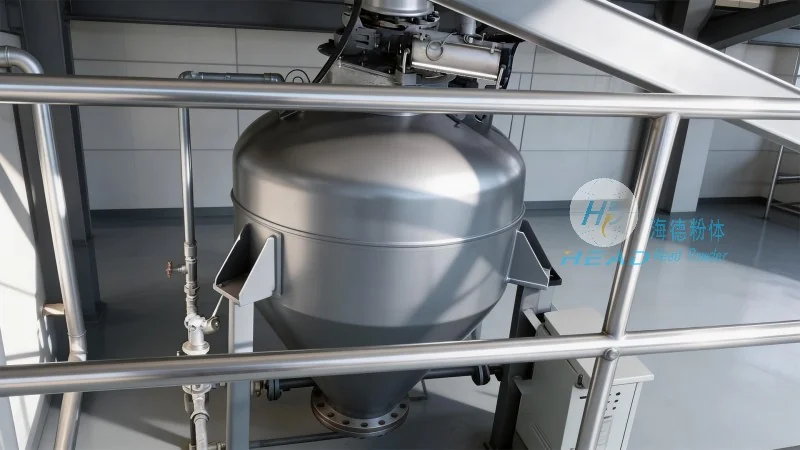
Advantages of Positive Pressure Blown Pneumatic Conveying
Positive pressure blown pneumatic conveying systems offer several advantages over other material handling methods. One of the primary benefits is the ability to transport materials over long distances with minimal loss of material quality. The sealed pipeline prevents contamination from external sources and maintains the integrity of the material. Additionally, the system is highly flexible, allowing for changes in the conveying route or destination without significant modifications. The operation is also relatively simple and requires minimal maintenance, as the components are designed for durability and reliability. Furthermore, the system can handle a wide range of materials, including those that are abrasive, corrosive, or sensitive to moisture, making it suitable for various industrial applications.
Applications of Positive Pressure Blown Pneumatic Conveying
Positive pressure blown pneumatic conveying equipment is widely used in industries such as food processing, pharmaceuticals, chemicals, and mining. In the food industry, it is used to transport powders like flour, sugar, and spices, ensuring hygiene and preventing contamination. In pharmaceutical manufacturing, the system is employed to handle active pharmaceutical ingredients (APIs) and other sensitive materials, maintaining strict quality control standards. The chemical industry utilizes positive pressure conveyors to transport powders like pigments, catalysts, and additives, while the mining industry uses them to move bulk materials like coal, ore, and minerals from processing plants to storage facilities. The versatility of the system makes it suitable for a wide range of applications, from small-scale operations to large industrial plants.




