

Principles and Operational Characteristics of Centralized Powder Material Pneumatic Conveying System
Shandong HeadPowder Engineering Co., Ltd., headquartered in Shandong, China, specializes in the design and implementation of advanced powder material handling solutions. This article examines the fundamental principles of centralized powder material pneumatic conveying systems and highlights key operational characteristics that define their effectiveness across various industrial applications.
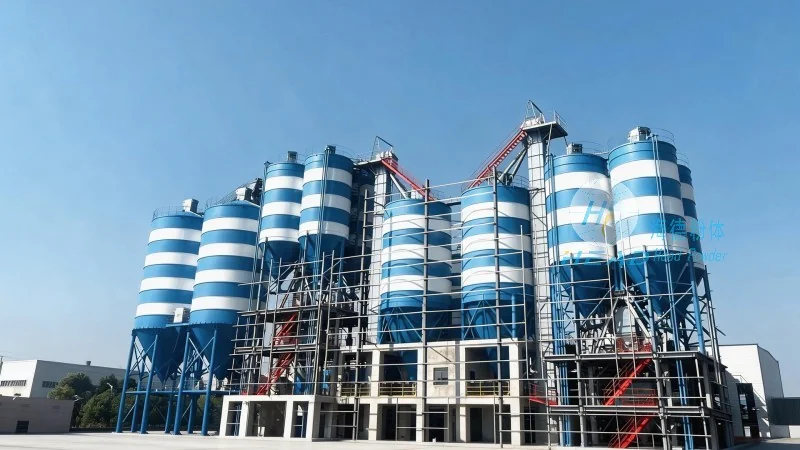
Understanding the Core Principles of Pneumatic Conveying
Pneumatic conveying systems operate by utilizing air or gas as the primary medium to transport bulk powder materials through a pipeline network. The central concept involves creating a pressure differential or employing vacuum to move particles from one location to another. In centralized systems, this process is optimized for efficiency by integrating multiple feeding points and a single or multiple discharge points, enabling seamless material flow across a facility.
The principle of operation typically involves either positive pressure (where air is forced through the system) or negative pressure (where a vacuum pulls material into the system). Positive pressure systems are often preferred for long-distance or high-volume transport due to their ability to maintain consistent flow rates and prevent material degradation. Negative pressure systems, conversely, are suitable for applications requiring dust control and minimal environmental impact.
Key Operational Characteristics of Centralized Systems
Centralized powder material pneumatic conveying systems exhibit several distinct operational characteristics that enhance their performance and adaptability. One of the most significant features is the ability to manage multiple feed sources from a single control center. This integration allows for precise control over material flow rates, ensuring that each feed point can be adjusted independently without disrupting the overall system operation.
Another critical characteristic is the system's flexibility in handling diverse powder types. Centralized designs accommodate various particle sizes, densities, and flow properties by adjusting air velocity and pipeline configuration. This adaptability is crucial for industries dealing with materials ranging from fine powders like pharmaceuticals to coarse materials such as cement or minerals.
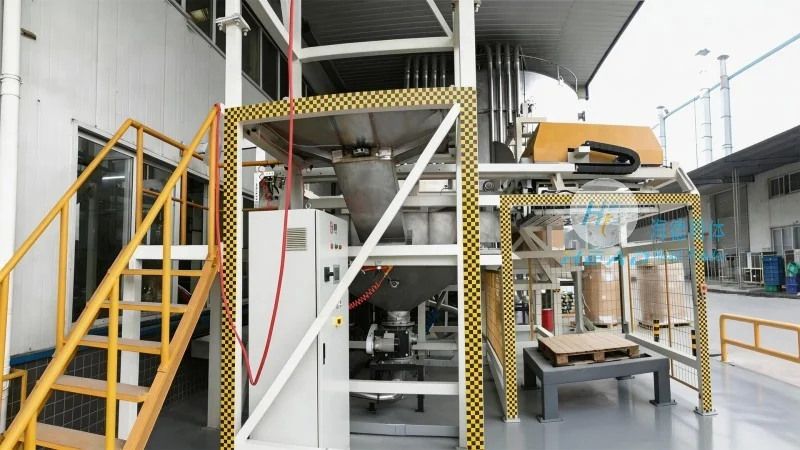
Efficiency and reliability are also prominent operational traits. By minimizing the number of components and reducing the need for manual handling, centralized systems lower operational costs and enhance safety. The automated control mechanisms ensure consistent performance, reducing downtime and improving overall productivity. Additionally, the enclosed pipeline design helps maintain material integrity and prevents contamination, which is essential for applications in food, pharmaceutical, and chemical industries.
Common Work Scenarios and Industry Applications
The operational characteristics of centralized powder material pneumatic conveying systems make them suitable for a wide range of industrial work scenarios. In manufacturing facilities, these systems are commonly used to transport raw materials from storage silos to processing lines, ensuring a continuous supply of materials without manual intervention.
In the pharmaceutical industry, centralized pneumatic conveying is employed to handle sensitive powders, such as active pharmaceutical ingredients (APIs) and excipients. The enclosed system and controlled environment prevent cross-contamination and maintain product quality, which is vital for compliance with regulatory standards like FDA guidelines.
In the chemical sector, these systems are utilized for transporting reactive or hazardous powders, where safety and containment are paramount. The ability to control pressure and flow rates minimizes the risk of accidents and ensures that materials are handled in a secure manner.
In the food processing industry, centralized pneumatic conveying systems are used to transport ingredients like flour, sugar, and spices. The hygienic design and easy cleaning features of these systems meet the stringent requirements of food safety regulations, ensuring that products remain uncontaminated throughout the handling process.
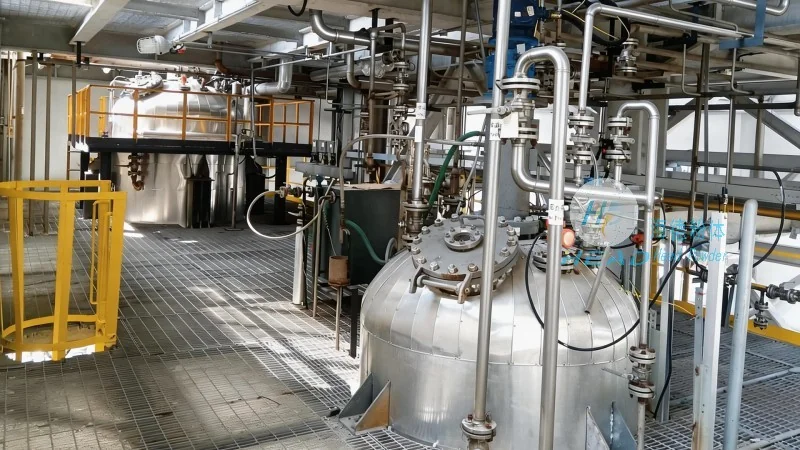
Advantages of Centralized Systems in Material Handling
Implementing centralized powder material pneumatic conveying systems offers several advantages over traditional manual or mechanical handling methods. The primary benefit is the significant reduction in labor costs, as automated systems eliminate the need for manual loading and unloading of materials. This not only improves efficiency but also enhances workplace safety by minimizing exposure to dust and physical strain.
Another key advantage is the improvement in material quality and consistency. By preventing material degradation and contamination, centralized systems ensure that the delivered powder meets the required specifications. This is particularly important in industries where product quality directly impacts customer satisfaction and regulatory compliance.
Furthermore, centralized pneumatic conveying systems contribute to environmental sustainability. The enclosed pipeline design reduces dust emissions, improving air quality and reducing the need for additional dust control measures. This aligns with the growing emphasis on environmental responsibility in industrial operations.
Conclusion
Centralized powder material pneumatic conveying systems, as explained in this article, represent a sophisticated solution for efficient and reliable powder handling. By understanding the core principles and operational characteristics, industries can leverage these systems to enhance productivity, improve material quality, and ensure compliance with safety and environmental standards. Shandong HeadPowder Engineering Co., Ltd. continues to lead in the development and implementation of such advanced systems, providing tailored solutions for diverse industrial needs.