

Operating Process and Working Principle of Polyvinyl Alcohol Formaldehyde Pneumatic Conveying Line
For industries dealing with polyvinyl alcohol formaldehyde (PVOH) materials, efficient and reliable material handling is crucial. The pneumatic conveying line, specifically designed for PVOH, offers a solution that combines advanced technology with operational efficiency. This article explores the operating process and working principle of such a system, highlighting its key components, operational steps, and the benefits it provides to industrial applications.
Introduction to PVOH Pneumatic Conveying Systems
Polyvinyl alcohol formaldehyde, commonly known as PVOH, is a polymer used in various applications including adhesives, coatings, and textile treatments. Handling PVOH requires systems that can manage its properties, such as moisture sensitivity and flow characteristics. Pneumatic conveying lines are ideal for this purpose as they use air to transport the material, minimizing product contamination and ensuring a clean transfer process. The system is engineered to meet the specific demands of PVOH, ensuring consistent performance and safety in industrial settings.
Key Components of the Pneumatic Conveying Line
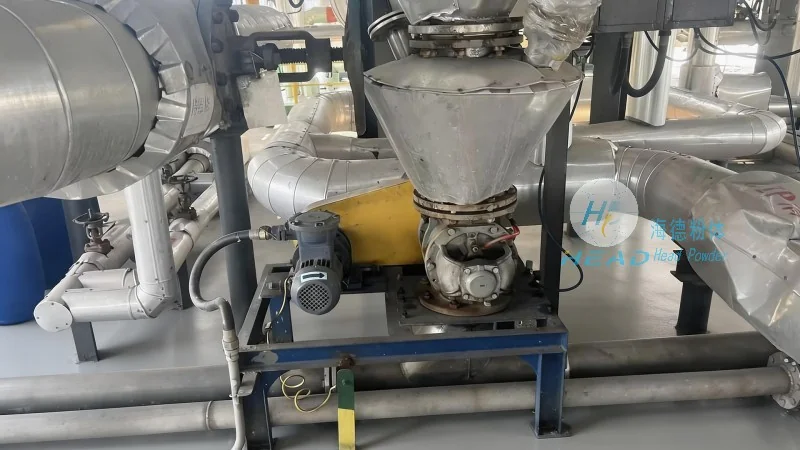
The PVOH pneumatic conveying line consists of several critical components that work in tandem to achieve efficient material transport. These include the hopper, which serves as the material storage and feeding unit; the air compressor, responsible for generating the necessary air pressure; the conveying line itself, which can be of different types like positive or negative pressure systems; and the receiver, where the material is deposited. Each component is designed to handle the unique characteristics of PVOH, ensuring that the material is transported without degradation or loss.
Operating Process of the Pneumatic Conveying Line
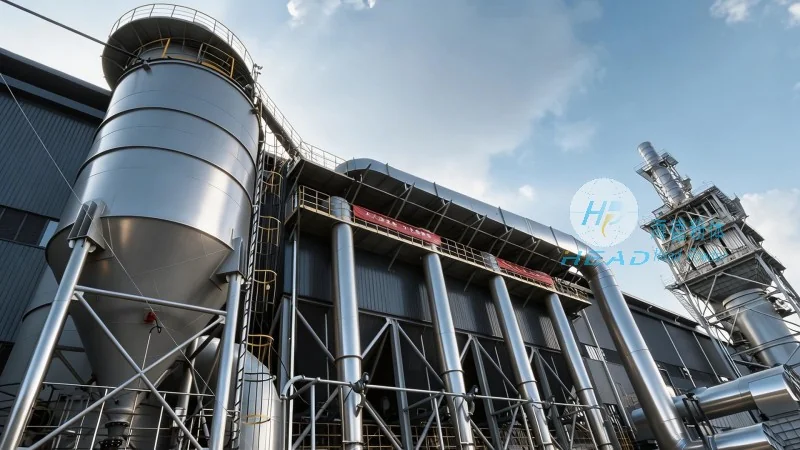
The operation of the PVOH pneumatic conveying line involves a series of steps that ensure smooth and continuous material transfer. The process begins with the material being loaded into the hopper. The air compressor then starts, generating a flow of air that creates a negative pressure in the conveying line. As the material is released from the hopper, it is drawn into the line by the air flow and transported to the receiver. The system is equipped with control mechanisms that regulate the air pressure and flow rate, ensuring that the material is conveyed at an optimal speed without causing blockages or excessive wear on components. The receiver collects the PVOH material, which can then be further processed or stored.
Working Principle: How the System Transfers PVOH
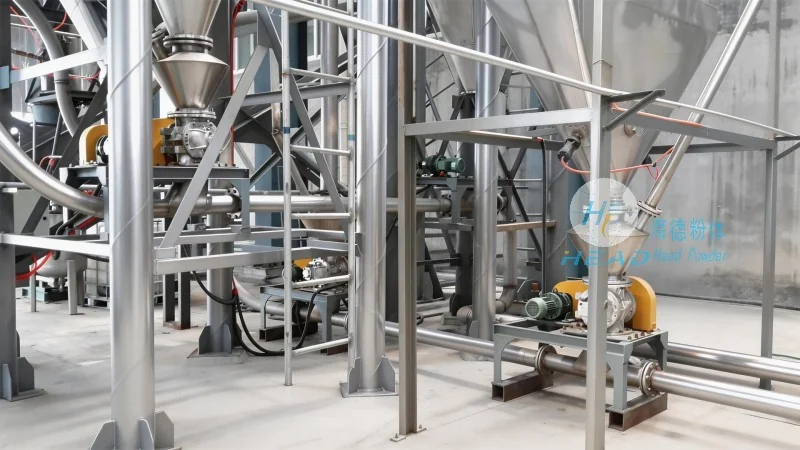
The working principle of the PVOH pneumatic conveying line is based on the principles of fluid dynamics and air movement. The system operates by creating a pressure differential between the hopper and the receiver. The air compressor provides the necessary pressure to move the air through the line, while the material is entrained by the air stream. The velocity of the air is crucial; it must be sufficient to lift and transport the PVOH particles without causing them to separate or degrade. The design of the conveying line, including the pipe diameter and the use of bends and elbows, is optimized to minimize pressure loss and ensure efficient material transport. The system also incorporates safety features, such as pressure relief valves and material flow monitors, to prevent over-pressurization and ensure safe operation.
Benefits and Applications of PVOH Pneumatic Conveying Lines
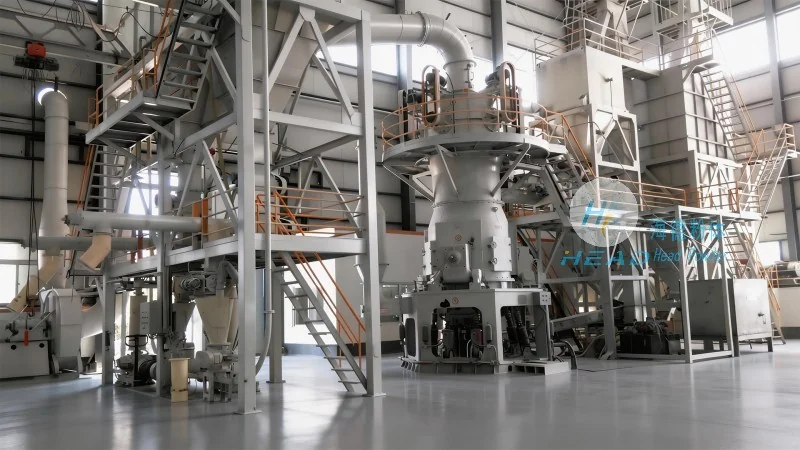
The use of PVOH pneumatic conveying lines offers several advantages for industrial applications. These systems provide a clean and hygienic method of material handling, which is essential for PVOH, which is often used in food and pharmaceutical applications. The enclosed system prevents dust and contamination, maintaining product quality and safety standards. Additionally, the system is flexible and can be adapted to different production volumes and layouts. It reduces labor costs by automating the material transfer process and minimizes the risk of product damage during handling. Industries such as chemical manufacturing, textile processing, and construction materials production benefit from the efficiency and reliability of these systems.
Conclusion: The Role of Shandong HeadPowder Engineering Co., Ltd.
Shandong HeadPowder Engineering Co., Ltd., a leading provider of industrial material handling solutions, specializes in designing and manufacturing PVOH pneumatic conveying lines tailored to the specific needs of their clients. With a focus on quality and innovation, the company ensures that their systems meet the highest standards of performance and safety. The operating process and working principle of their PVOH pneumatic conveying lines are engineered to deliver reliable and efficient material transport, supporting the operational needs of industries that rely on PVOH materials. By leveraging advanced technology and expert engineering, HeadPowder provides solutions that enhance productivity and ensure the integrity of PVOH products throughout the handling process.