

Operation Process and Working Principle of Positive and Negative Electrode Material Pneumatic Convey
Efficient material handling is a critical component in the production of lithium-ion batteries, where the transport of positive and negative electrode materials between processing stages is essential for maintaining high throughput and product quality. Pneumatic conveying systems have emerged as a preferred solution due to their ability to handle fine powders like those used in battery manufacturing with minimal dust generation and precise control. This article provides an in-depth look at the operation process and working principle of positive and negative electrode material pneumatic conveying lines, highlighting the key components, operational steps, and technical considerations that ensure reliable performance in battery production facilities.
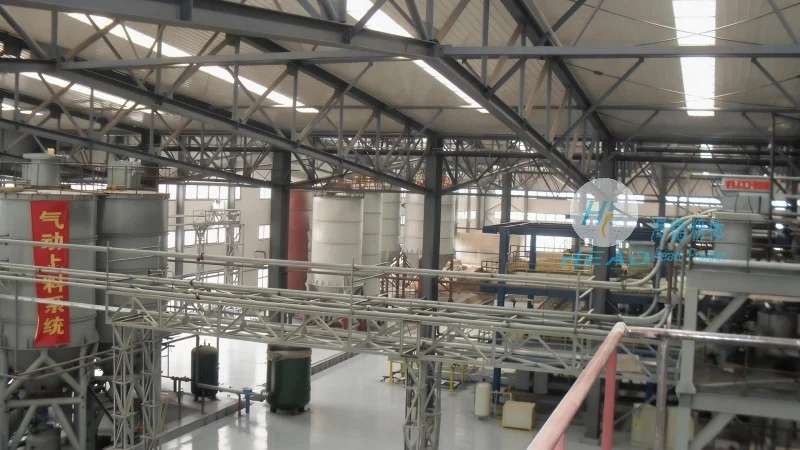
Introduction to Pneumatic Conveying in Battery Manufacturing
For manufacturers of lithium-ion batteries, the seamless transfer of raw materials such as positive and negative electrode powders is vital to the overall production efficiency. Traditional methods like belt conveyors or manual handling can introduce contamination, cause material degradation, and increase operational costs. Pneumatic conveying systems offer a clean, enclosed solution that minimizes exposure to air and reduces the risk of dust-related issues. The technology relies on the use of air pressure to move powders through a network of pipes, ensuring a controlled and consistent flow that is crucial for maintaining the integrity of the electrode materials.
About Shandong HeadPowder Engineering Co., Ltd.
Shandong HeadPowder Engineering Co., Ltd., operating under the brand name headpowder, is a leading provider of specialized engineering solutions for the battery materials industry. With a focus on innovation and precision, the company designs, manufactures, and installs pneumatic conveying systems tailored to the unique requirements of battery manufacturers. Headpowder's expertise lies in understanding the specific challenges of handling fine powders, such as moisture sensitivity, particle size distribution, and the need for contamination-free environments. By leveraging advanced engineering and material science knowledge, the company delivers systems that enhance production efficiency while ensuring compliance with industry standards.
Key Components of Pneumatic Conveying Lines
The operation of a positive and negative electrode material pneumatic conveying line involves several critical components that work in tandem to ensure smooth material transport. These components include the material feed system, air supply unit, conveying pipes, and control valves. The material feed system typically consists of a hopper or feeder that meters the electrode powder into the system at a controlled rate, preventing overloading and ensuring consistent flow. The air supply unit generates the necessary pressure or vacuum to move the powder through the pipes, with options ranging from positive pressure (blowing air) to negative pressure (suction). Conveying pipes are made of materials like stainless steel or plastic, selected based on the properties of the powder and the need for corrosion resistance. Control valves, such as rotary valves or slide gates, regulate the flow of air and material, allowing for precise control over the conveying process. Additionally, filter systems are integrated to capture any fine particles that may escape, ensuring a clean and safe operation.
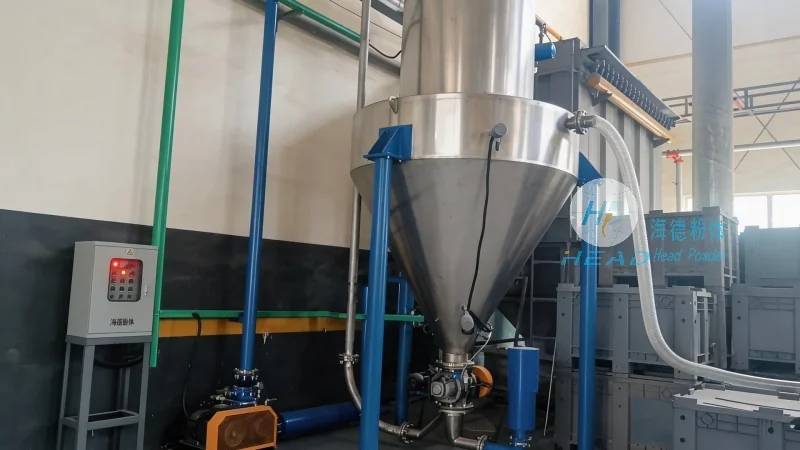
Operation Process of Pneumatic Conveying Lines
The operation of a pneumatic conveying line for positive and negative electrode materials typically follows a series of steps designed to ensure efficient and reliable material transfer. The process begins with the loading of the electrode powder into the feed hopper. The feeder then meters the powder into the conveying line at a rate that matches the system's capacity. Simultaneously, the air supply unit generates the required pressure or vacuum to move the powder through the pipes. As the powder enters the conveying line, it is suspended in the air stream and transported to the destination point, such as a mixing or coating machine. The control valves regulate the flow of air and material, ensuring that the system operates within safe and efficient parameters. At the receiving end, the powder is deposited into a container or processing unit, completing the transfer. The entire process is monitored by sensors and control systems that adjust the air pressure, flow rate, and feed rate as needed to maintain optimal performance. This continuous operation allows for high throughput and minimal downtime, making pneumatic conveying an ideal solution for battery material handling.
Working Principle of Pneumatic Conveying Systems
The working principle of a pneumatic conveying line for positive and negative electrode materials is based on the fundamental concept of using air to transport particulate materials. In positive pressure systems, compressed air is used to push the powder through the pipes, while in negative pressure systems, a vacuum is created to pull the powder. The key to efficient conveying is the balance between the air velocity and the particle size and density. The air velocity must be high enough to keep the particles suspended but not so high as to cause excessive wear on the pipes or components. The conveying line's design, including pipe diameter, length, and bends, is critical to maintaining the required air velocity and minimizing pressure drop. The system also incorporates features such as pulse jets or cyclones to prevent material buildup and ensure consistent flow. By understanding the physics of particle-air interaction, engineers can design systems that optimize material transport while minimizing energy consumption and operational costs.
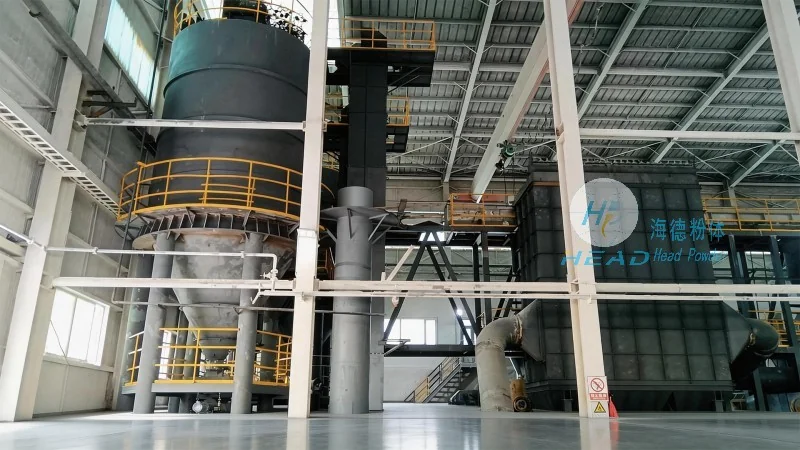
Benefits of Using Pneumatic Conveying for Electrode Materials
Implementing pneumatic conveying systems for the transport of positive and negative electrode materials in battery manufacturing offers several significant benefits. First, the enclosed system reduces dust exposure, improving workplace safety and minimizing environmental impact. This is particularly important for fine powders that can be hazardous if inhaled or released into the environment. Second, the system provides precise control over the material flow, ensuring consistent quality and reducing the risk of material degradation. The ability to adjust the feed rate and air pressure allows manufacturers to adapt to changing production demands without compromising product quality. Third, pneumatic conveying systems are highly efficient, with minimal energy consumption compared to other material handling methods. The enclosed design also reduces the need for cleaning and maintenance, as the system is less prone to contamination and wear. Finally, the technology is scalable, allowing manufacturers to expand their production capacity by adding more conveying lines or increasing the system's capacity without significant changes to the overall infrastructure.
Technical Considerations for Pneumatic Conveying Lines
When designing and implementing a pneumatic conveying line for positive and negative electrode materials, several technical considerations must be addressed to ensure optimal performance. The first consideration is the selection of the appropriate conveying method, either positive or negative pressure, based on the material properties and the distance to be covered. Positive pressure systems are generally preferred for longer distances or when handling abrasive materials, as they provide more control over the air flow and pressure. Negative pressure systems are suitable for shorter distances or when the material is less abrasive. The second consideration is the material of construction for the pipes and components, which must be resistant to corrosion and wear from the electrode powders. Stainless steel is commonly used for its durability and resistance to chemical attack, while plastic pipes are used for non-corrosive materials. The third consideration is the system's capacity, which must be matched to the production rate of the battery manufacturing facility. The feed rate and air flow must be calibrated to handle the expected volume of material without causing bottlenecks or pressure drops. Finally, the integration of the conveying line with other processing equipment, such as mixers or coating machines, is critical to ensure smooth operation and minimal downtime. Proper synchronization of the conveying system with the downstream processes is essential for maintaining production efficiency.
Conclusion
Pneumatic conveying lines are a vital component in the production of lithium-ion batteries, providing an efficient and reliable method for transporting positive and negative electrode materials. The operation process involves a series of steps, from material feeding to delivery, that are carefully controlled to ensure consistent performance. The working principle, based on air pressure and particle suspension, allows for precise control over the material flow while minimizing contamination and wear. Shandong HeadPowder Engineering Co., Ltd., with its expertise in battery materials engineering, offers tailored pneumatic conveying solutions that address the unique challenges of handling fine electrode powders. By leveraging advanced technology and engineering, the company helps battery manufacturers enhance their production efficiency, maintain product quality, and ensure compliance with industry standards. As the demand for lithium-ion batteries continues to grow, the importance of efficient material handling systems like pneumatic conveying will only increase, making it a critical investment for manufacturers seeking to stay competitive in the market.