Clay sand pneumatic conveying lines represent a sophisticated industrial solution for the efficient and reliable transport of bulk clay sand materials. These systems leverage air pressure to move material from the source to the destination, providing a flexible and low-maintenance alternative to traditional conveyor systems. The technology is integral to industries such as foundry manufacturing, construction material production, and chemical processing, where the handling of bulk materials is critical for operational efficiency and productivity. By integrating advanced engineering principles with robust construction, these conveying lines ensure consistent material flow, minimal downtime, and enhanced safety in industrial settings.
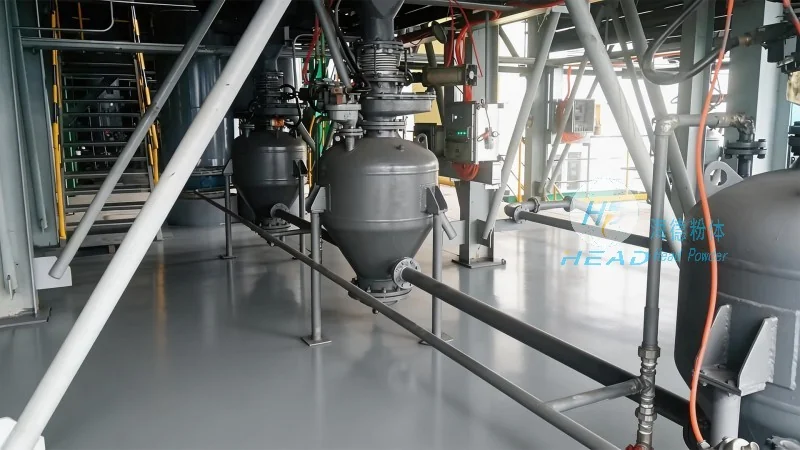
Key Components and Their Functions
The effective operation of a clay sand pneumatic conveying line relies on a series of interconnected components, each designed to perform a specific function in the material transport process. The primary components include the material hopper, which serves as the storage vessel for clay sand, equipped with a feeding mechanism to regulate the material feed rate. The air compressor is a critical component, responsible for generating the high-pressure air required to propel the material through the system. The conveying pipeline, typically made of durable materials like stainless steel or PVC, forms the main pathway for the material and air mixture. The pipeline is equipped with bends, elbows, and straight sections to guide the material to the discharge point. The discharge unit, which can be a rotary valve or a hopper, controls the release of the material at the destination. Additionally, the system may include a filter and dust collector to manage air quality and prevent material loss. Each component is carefully selected and integrated to ensure optimal performance and longevity of the conveying line.
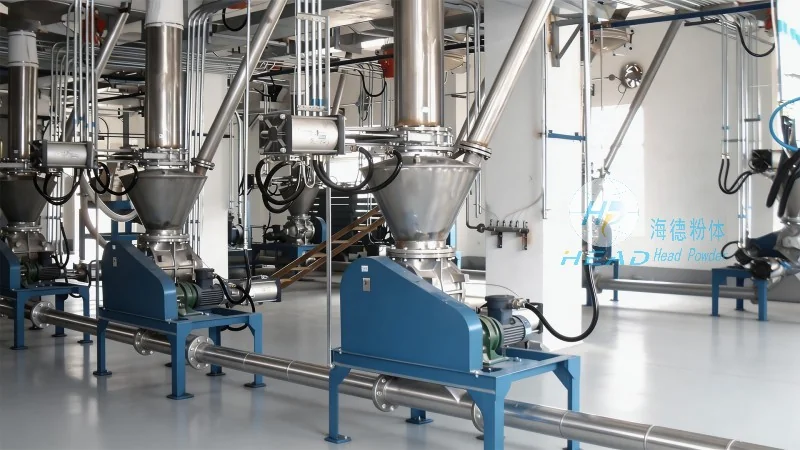
Step-by-Step Operation Process
The operation of a clay sand pneumatic conveying line follows a systematic sequence of steps to ensure smooth and continuous material transport. The process begins with the loading of clay sand into the material hopper. The hopper is designed to accommodate a large volume of material, allowing for extended operational periods without frequent refilling. Once the hopper is filled, the feeding mechanism starts, gradually releasing the clay sand into the system. Simultaneously, the air compressor activates, generating high-pressure air that is directed into the conveying pipeline. The air pressure creates a flow that propels the clay sand particles through the pipeline. The material is suspended in the air stream, moving from the hopper to the discharge point. The system maintains a steady flow by adjusting the air pressure and material feed rate, ensuring that the conveying process is continuous and efficient. The discharge unit then releases the material at the destination, completing the cycle. The entire process is automated, with sensors and controls monitoring the system's performance and adjusting parameters as needed to maintain optimal operation. This automated approach minimizes human intervention, reduces the risk of errors, and enhances overall operational reliability.
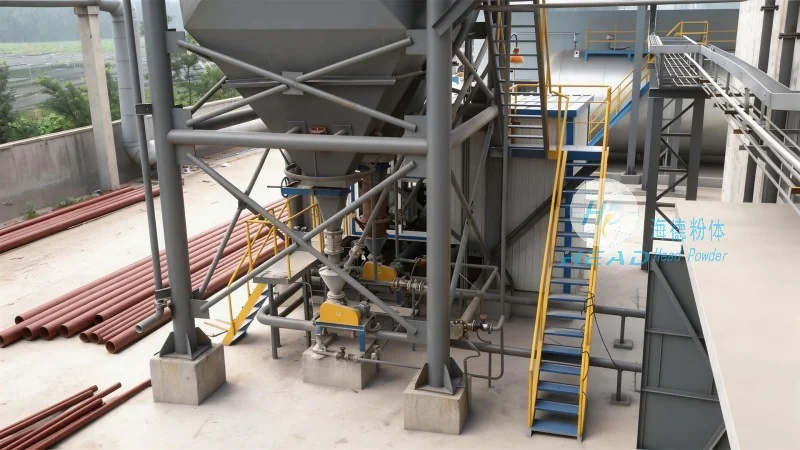
Working Principle Based on Fluid Dynamics
The working principle of the clay sand pneumatic conveying line is rooted in fluid dynamics and particle transport theory. The system operates by creating a pressure differential between the inlet and outlet of the conveying pipeline. The air compressor provides the necessary energy to overcome the resistance of the material and the pipeline, allowing the clay sand to be transported. The material is carried by the air stream, and the velocity of the air is crucial in maintaining the particles in suspension. If the air velocity is too low, the particles may settle and cause clogging, while too high a velocity can lead to excessive wear on the pipeline and components. The system is designed to operate within an optimal velocity range, ensuring that the material remains suspended and transported efficiently. The conveying line can operate in either positive or negative pressure modes. In positive pressure mode, the system is sealed and pressurized, with air flowing from the compressor to the discharge point. In negative pressure mode, the system operates under vacuum conditions, with air being drawn from the discharge point back to the compressor. This flexibility allows the system to be adapted to various industrial applications, such as transporting materials over long distances or in confined spaces. The working principle also considers the particle size and moisture content of the clay sand, as these factors affect the air velocity required for efficient transport. By adjusting the system parameters based on these characteristics, the conveying line can maintain optimal performance.
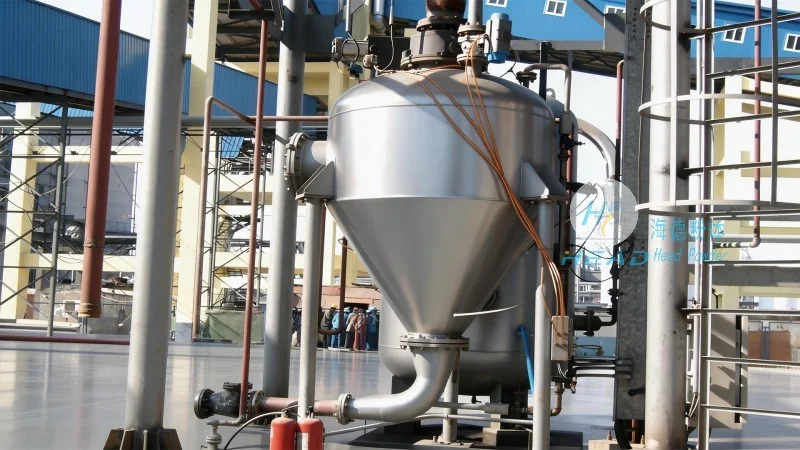
Advantages and Practical Applications
Clay sand pneumatic conveying lines offer several distinct advantages over traditional material handling methods, making them a preferred choice in many industrial sectors. One of the key advantages is the reduction in labor costs, as the system automates the material transport process, eliminating the need for manual handling. This not only reduces operational expenses but also enhances workplace safety by minimizing the risk of accidents associated with manual material handling. Another advantage is the increased operational efficiency, as the system can transport large volumes of material at high speeds, reducing the time required for material transfer. The flexibility of the system allows it to be adapted to various applications, such as transporting clay sand for mold making in foundries, or raw materials for concrete production in construction material plants. The system is also capable of handling materials with varying particle sizes and moisture content, making it suitable for a wide range of industrial needs. In addition, the system is designed to be low-maintenance, with components that are easy to replace and inspect, reducing downtime and maintenance costs. The reliability of the system is further enhanced by its ability to operate continuously, with minimal interruptions, ensuring that production processes are not disrupted. Overall, the clay sand pneumatic conveying line is a versatile and efficient solution for bulk material transport, providing significant benefits to industrial operations.




