

Operation Process and Working Principle of Dry Soybean Pneumatic Conveying Line
For businesses in the agricultural processing sector, efficient and reliable material handling is crucial. Among the various methods available, pneumatic conveying systems have emerged as a preferred solution for transporting bulk materials like dry soybeans. These systems offer advantages such as reduced contamination, minimal product degradation, and the ability to handle materials in a closed environment. This article delves into the operation process and working principles of a dry soybean pneumatic conveying line, highlighting how it functions and the key components involved.
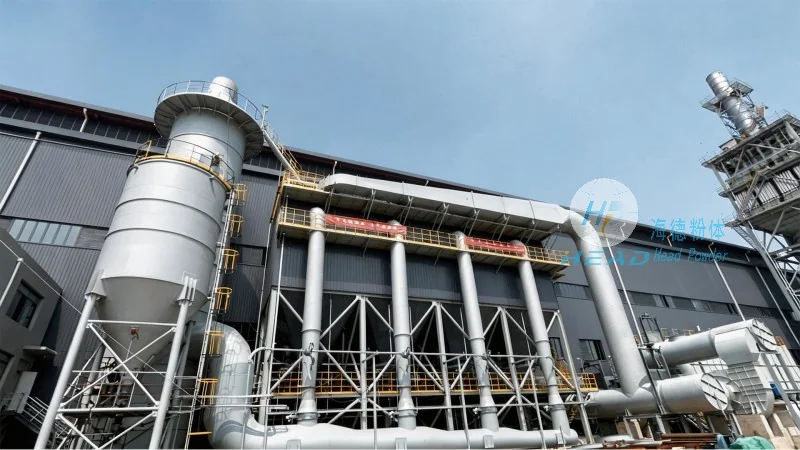
Key Components of the Dry Soybean Pneumatic Conveying System
The dry soybean pneumatic conveying line typically consists of several critical components that work in tandem to ensure smooth material transport. The main elements include a hopper for material storage, a feeder to control the flow of soybeans, a conveying pipeline, a dust collector to manage airborne particles, and a discharge outlet for the processed material. Each component plays a vital role in maintaining the system's efficiency and safety. The hopper, often made of stainless steel or other corrosion-resistant materials, holds the dry soybeans and provides a consistent feed to the feeder. The feeder, which can be a rotary valve or a screw feeder, regulates the flow rate, ensuring that the material is conveyed at an optimal speed without causing blockages or excessive pressure drops.
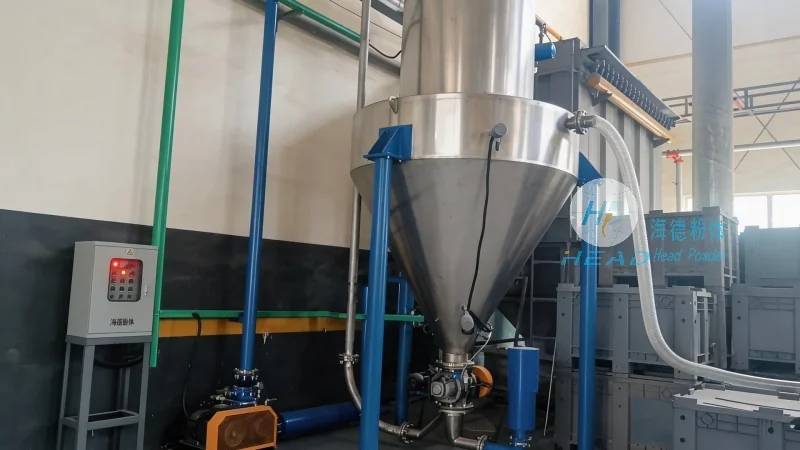
Working Principle of the Pneumatic Conveying Process
The operation of a dry soybean pneumatic conveying line is based on the principle of air movement. The system uses a blower or a positive displacement pump to generate airflow within the pipeline. As the air flows through the system, it picks up the dry soybeans from the hopper and transports them to the discharge point. The pressure and velocity of the air are carefully controlled to ensure that the soybeans are conveyed without damage. The conveying method can be either dilute-phase or dense-phase, depending on the system design and the material properties. In dilute-phase conveying, the material is suspended in the air stream, while in dense-phase conveying, the material moves in a slurry-like state with higher air density. For dry soybeans, dilute-phase conveying is commonly used due to its efficiency and ability to handle lighter materials.
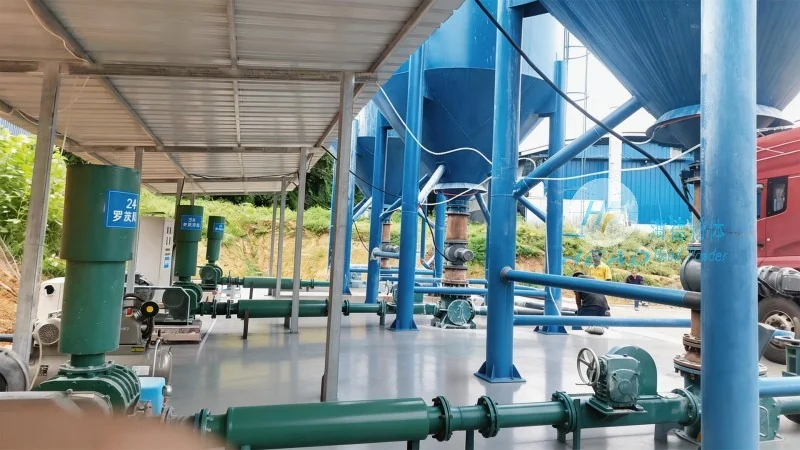
Operation Process of the Dry Soybean Pneumatic Conveying Line
The operation process of the dry soybean pneumatic conveying line involves several sequential steps. First, the dry soybeans are loaded into the hopper. The feeder then starts to regulate the flow, allowing a controlled amount of material to enter the conveying pipeline. Simultaneously, the blower or pump activates, generating the necessary airflow. As the air flows through the pipeline, it lifts the soybeans and transports them to the discharge point. The dust collector, positioned along the pipeline, captures any airborne particles, ensuring that the environment remains clean and safe. The discharge outlet then releases the soybeans into the next processing stage or storage area. Throughout the process, sensors and control systems monitor the pressure, flow rate, and material level, allowing for real-time adjustments to maintain optimal performance. This automated control system enhances the reliability and efficiency of the operation, minimizing downtime and maximizing productivity.
Advantages of Using a Dry Soybean Pneumatic Conveying Line
Implementing a dry soybean pneumatic conveying line offers several benefits for agricultural processing facilities. Firstly, it provides a hygienic and clean environment, as the system operates in a closed pipeline, preventing contamination from external sources. This is particularly important for food-grade products like soybeans, where maintaining quality and safety is paramount. Secondly, the system reduces labor costs by automating the material handling process, eliminating the need for manual loading and unloading. This not only improves efficiency but also enhances workplace safety by minimizing human exposure to heavy lifting and dust. Thirdly, the closed system helps in controlling dust emissions, contributing to better air quality and compliance with environmental regulations. Additionally, the flexibility of pneumatic conveying allows for easy integration with other processing equipment, such as cleaning, drying, or packaging systems, creating a seamless production line. These advantages make the dry soybean pneumatic conveying line an attractive investment for businesses looking to enhance their operational efficiency and product quality.
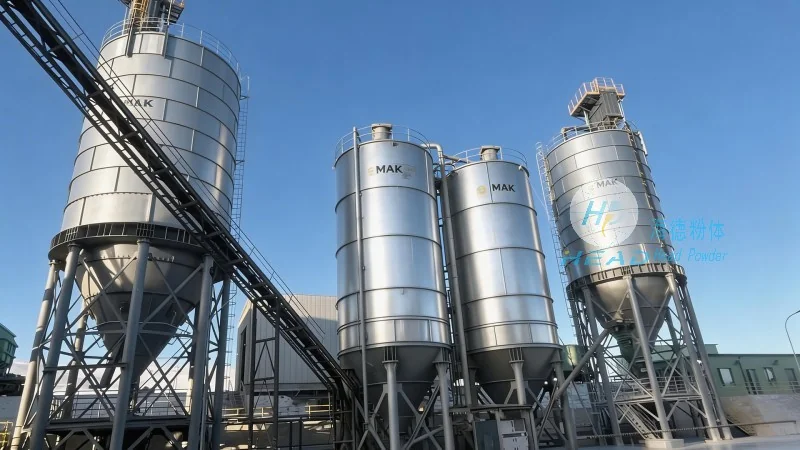
HeadPowder's Expertise in Pneumatic Conveying Solutions
Shandong HeadPowder Engineering Co., Ltd. specializes in designing and manufacturing customized pneumatic conveying systems tailored to the specific needs of agricultural processing industries. With years of experience in the field, HeadPowder has developed a reputation for delivering high-quality, reliable, and efficient solutions. The company's team of engineers and technicians works closely with clients to understand their operational requirements and material characteristics, ensuring that the designed system meets all performance and safety standards. HeadPowder's products are manufactured using advanced technology and high-quality materials, guaranteeing durability and long-term performance. The company also provides comprehensive after-sales support, including installation, maintenance, and technical assistance, to ensure that clients can maximize the benefits of their investment. By choosing HeadPowder, businesses can benefit from expert guidance and reliable equipment that enhances their production capabilities and overall operational efficiency.