HeadPowder, also known as Shandong HeadPowder Engineering Co., Ltd., is a professional manufacturer specializing in the design, production, and installation of pneumatic conveying systems. With a focus on high-quality equipment for material handling, the company is headquartered in Shandong, China, and serves a wide range of industries including chemical, food, and pharmaceutical sectors.
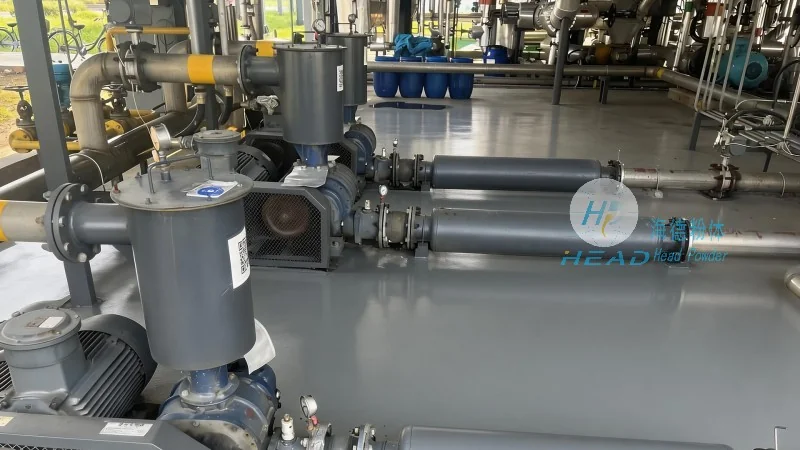
Introduction to White Carbon Black Pneumatic Conveying Lines
White carbon black, also known as silica, is a crucial additive in various industrial applications, such as rubber, plastics, and coatings. Efficient and reliable transportation of white carbon black is essential for maintaining production efficiency and product quality. Pneumatic conveying lines offer a solution by using air to transport bulk materials, eliminating the need for mechanical components like belts or buckets. This method not only reduces maintenance costs but also minimizes product contamination, making it ideal for sensitive materials like white carbon black.
The Operation Process of White Carbon Black Pneumatic Conveying Lines
The operation of a white carbon black pneumatic conveying line involves several key steps. First, the white carbon black is loaded into a hopper or storage silo. A rotary valve or feeder then controls the flow of material into the conveying line. Compressed air is supplied to the system, creating a pressure differential that propels the material through the pipeline. The material is carried by the air stream, moving from the inlet to the outlet, where it is deposited into the receiving container. The system typically includes filters and cyclones to separate the material from the air, ensuring that the air is clean and the material is free from dust. The entire process is automated, with sensors monitoring pressure, flow, and temperature to maintain optimal performance. This automation allows for consistent and reliable operation, reducing downtime and increasing productivity.
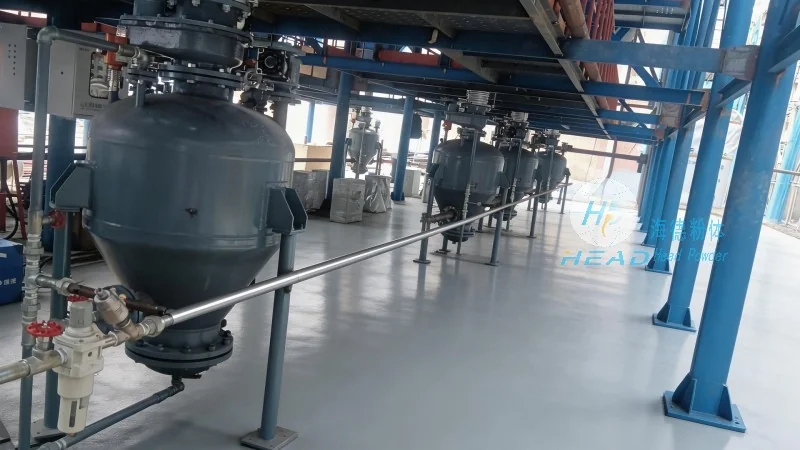
The Working Principle of White Carbon Black Pneumatic Conveying Lines
The working principle of a pneumatic conveying line is based on the principles of fluid dynamics and particle transport. When compressed air is introduced into the conveying line, it creates a low-pressure zone that draws the white carbon black particles into the air stream. The air velocity is maintained at a level sufficient to keep the particles suspended, preventing them from settling or clogging the pipeline. The system can operate in either positive or negative pressure modes. In positive pressure systems, the air is pressurized and forced through the line, while in negative pressure systems, the air is drawn from the line, creating a vacuum that pulls the material. For white carbon black, which is often handled in large quantities, positive pressure systems are commonly used due to their ability to handle high material loads and long distances. The design of the pipeline, including the diameter, length, and bends, is critical to ensuring efficient transport. Properly sized and positioned components, such as inlets, outlets, and filters, are essential to prevent blockages and maintain system efficiency.
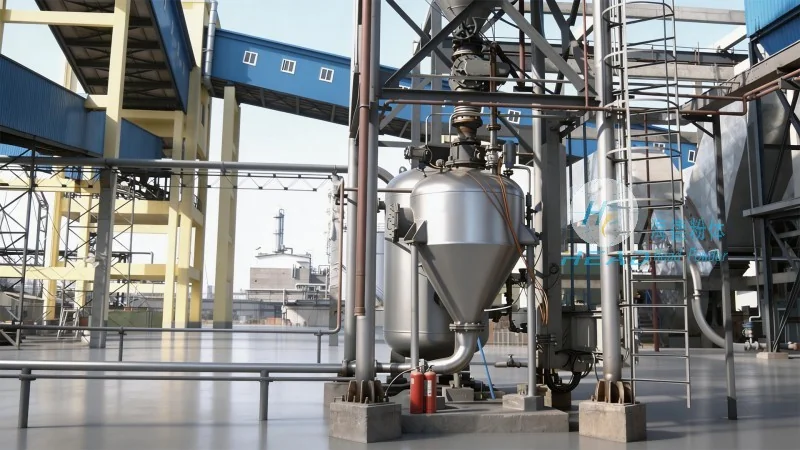
Key Components of the Pneumatic Conveying System
A white carbon black pneumatic conveying line consists of several key components that work together to ensure smooth operation. The primary components include a hopper or storage silo, a feeder (such as a rotary valve or screw feeder), a compressor or air supply unit, a conveying pipeline, a filter or cyclone separator, and a receiving hopper or container. The hopper is used to store the white carbon black, providing a consistent supply of material to the feeder. The feeder controls the flow rate of the material, ensuring that it is fed at a controlled rate into the conveying line. The compressor provides the necessary compressed air to create the pressure differential. The pipeline transports the material and air mixture from the feeder to the receiving container. The filter or cyclone separates the white carbon black from the air, allowing the air to be recirculated or discharged, and the material to be collected. Each component plays a vital role in the overall performance of the system, and proper selection and maintenance are essential to prevent issues like clogging or air leakage.
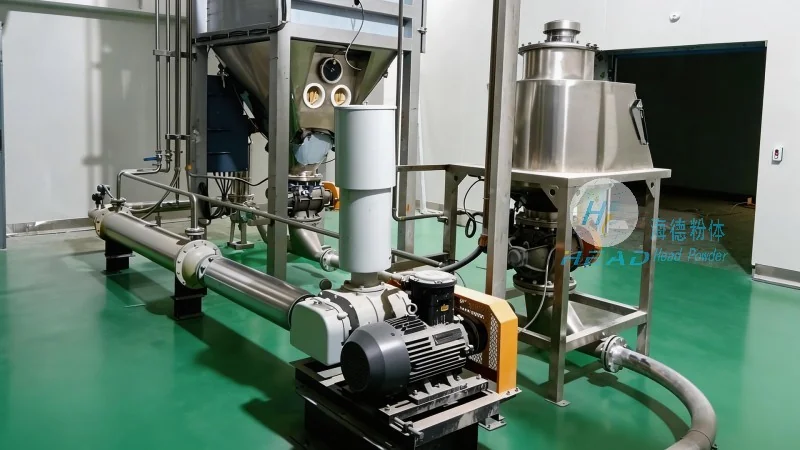
Advantages of Using White Carbon Black Pneumatic Conveying Lines
Implementing a pneumatic conveying line for white carbon black offers several advantages over traditional mechanical conveying methods. One of the main benefits is the reduction in maintenance costs, as there are no moving parts in the conveying line itself. This also minimizes the risk of product contamination, as the material is not in contact with metal or other materials that could introduce impurities. The system is also more flexible, allowing for easy changes in the conveying route or capacity without major modifications. Additionally, pneumatic conveying lines can handle a wide range of material properties, including different particle sizes and moisture contents, making them suitable for various applications. The automated nature of the system also improves safety, as there are fewer human interactions with the material handling process. Overall, the use of pneumatic conveying lines for white carbon black enhances production efficiency, reduces operational costs, and improves product quality.
Applications and Industries
White carbon black pneumatic conveying lines are widely used in various industries that require the efficient handling of bulk materials. In the chemical industry, they are used to transport white carbon black in the production of rubber, plastics, and coatings. The food industry also utilizes these systems for handling food-grade white carbon black in the manufacturing of food products. The pharmaceutical industry benefits from the sterile and contamination-free nature of pneumatic conveying, ensuring that the white carbon black used in drug formulations meets strict quality standards. Other industries, such as paint and ink manufacturing, also rely on these systems to transport white carbon black for their production processes. The versatility and reliability of the pneumatic conveying line make it an ideal solution for industries that demand high-quality and consistent material handling.




