

Application of Pneumatic Conveying in Bulk Dry Sludge Transport
HeadPowder, a leading engineering firm based in Shandong, China, specializes in advanced material handling solutions, particularly in the application of pneumatic conveying systems for the transport of bulk dry sludge. This technology has revolutionized the efficiency and safety of handling dry sludge in various industrial and municipal applications.
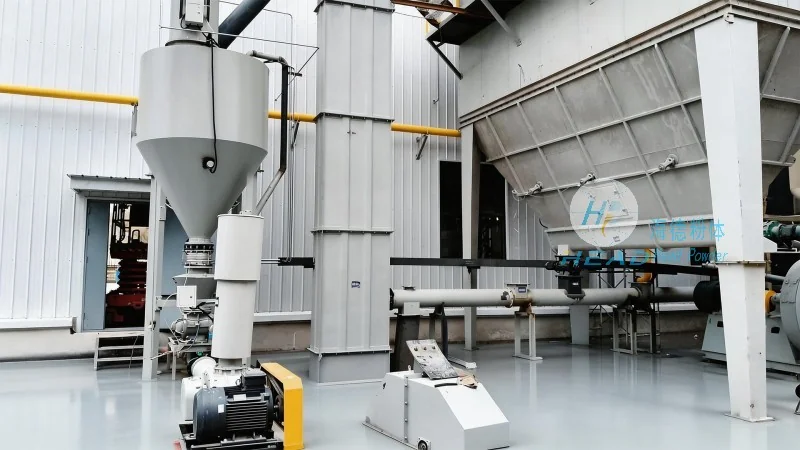
Pneumatic Conveying Technology for Dry Sludge Handling
Pneumatic conveying, also known as air conveying, is a method of transporting dry bulk materials like dry sludge through a pipeline using compressed air. This process eliminates the need for traditional mechanical conveyors, reducing wear and tear on equipment and minimizing the risk of material contamination. The system operates by creating a pressure differential that propels the dry sludge particles through the pipeline, ensuring a smooth and continuous flow.
Key Advantages of Pneumatic Conveying in Dry Sludge Transport
One of the primary benefits of using pneumatic conveying for dry sludge is its ability to handle fine and abrasive materials without causing excessive wear on the system components. Unlike traditional methods that may require frequent maintenance and replacement of parts, pneumatic systems are designed to withstand the rigors of continuous operation with minimal downtime. Additionally, this technology offers enhanced safety features, as it eliminates the need for manual handling of heavy or potentially hazardous sludge, reducing the risk of workplace accidents.
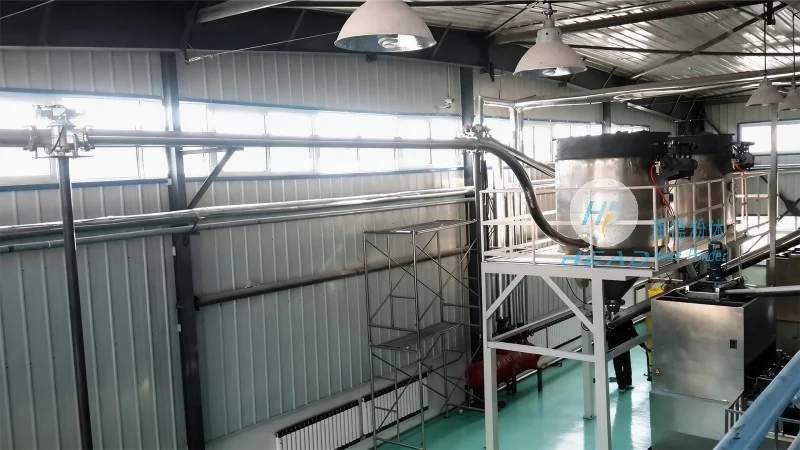
Application Scenarios and System Design
The pneumatic conveying systems developed by HeadPowder are tailored to meet the specific requirements of dry sludge transport in different settings. Whether for wastewater treatment plants, industrial facilities, or municipal solid waste management, the systems are designed to handle varying volumes and particle sizes of dry sludge. The company’s engineers work closely with clients to assess the operational needs, material characteristics, and site constraints to design a customized solution that maximizes efficiency and cost-effectiveness.
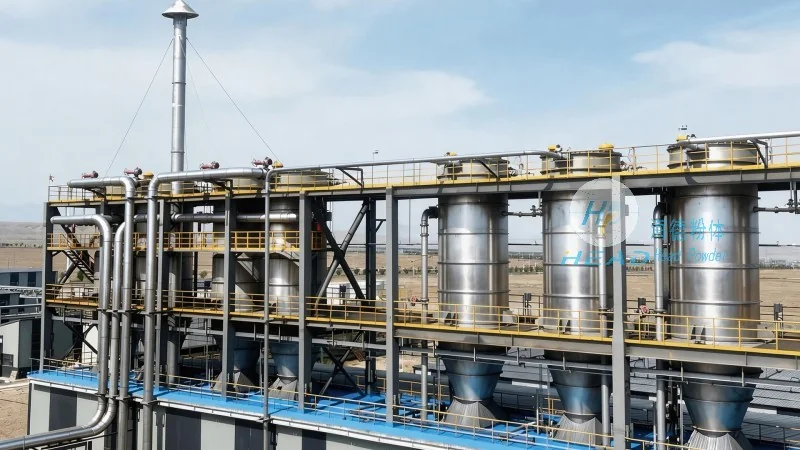
Efficiency and Environmental Impact
By utilizing pneumatic conveying, facilities can significantly improve their operational efficiency while reducing the environmental impact of sludge handling. The system’s ability to transport dry sludge over long distances with minimal energy consumption makes it an environmentally friendly choice. Moreover, the reduced need for water in the transport process aligns with sustainable practices, as it minimizes water usage and associated costs. HeadPowder’s systems are engineered to optimize energy usage, further contributing to the overall sustainability of the operation.
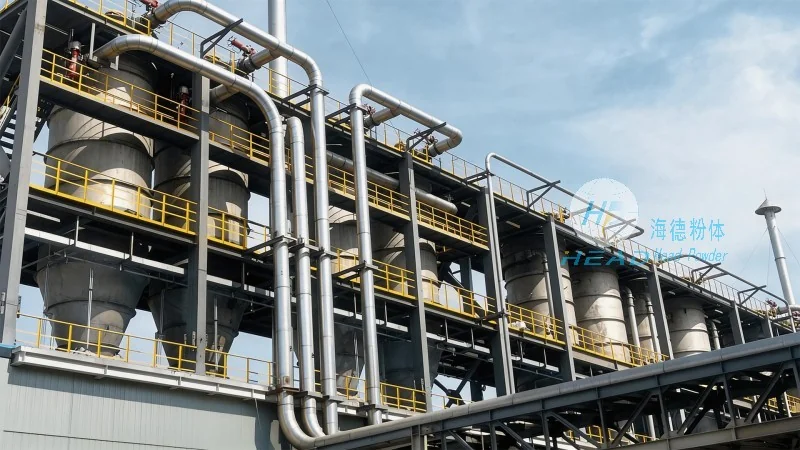
Customization and Maintenance Support
HeadPowder provides comprehensive support for its pneumatic conveying systems, including customization options to suit unique operational requirements. The company offers a range of system configurations, from low-pressure to high-pressure designs, to accommodate different material properties and transport distances. Additionally, HeadPowder’s technical team provides ongoing maintenance and support services to ensure the systems operate at peak performance. Regular inspections, component replacements, and performance monitoring are part of the maintenance plan to extend the system’s lifespan and maintain optimal efficiency.
Conclusion
HeadPowder Engineering Co., Ltd., based in Shandong, China, offers advanced pneumatic conveying solutions that enhance the efficiency and safety of bulk dry sludge transport. By leveraging this technology, industrial and municipal facilities can achieve significant improvements in operational performance, reduce maintenance costs, and minimize environmental impact. The company’s commitment to innovation and customer satisfaction ensures that clients receive tailored solutions that meet their specific needs and contribute to long-term success in dry sludge handling.