

Operation Process and Working Principle of Borax Granule Pneumatic Conveying Line
Shandong HeadPowder Engineering Co., Ltd., a professional manufacturer based in Shandong, China, specializes in the design, manufacturing, and installation of advanced pneumatic conveying systems. This article provides a detailed overview of the operation process and working principle of a borax granule pneumatic conveying line, highlighting the key components, operational steps, and technical aspects that ensure efficient material handling.
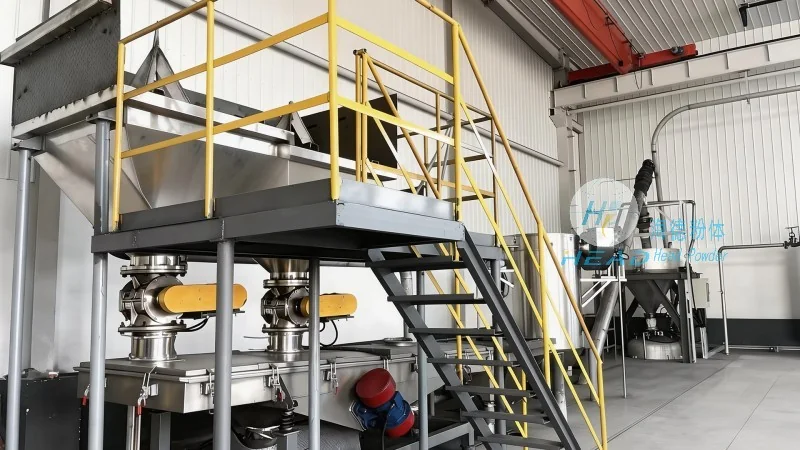
Key Components of the Borax Granule Pneumatic Conveying System
The borax granule pneumatic conveying line typically consists of several critical components that work in tandem to transport the material. These include a material hopper for storage, a rotary valve or feeder to control the flow of granules, a pipeline system for conveying the material, a dust collector to maintain air quality, and a receiver or discharge hopper at the destination. Each component plays a vital role in the overall functionality of the system, ensuring smooth and continuous operation.
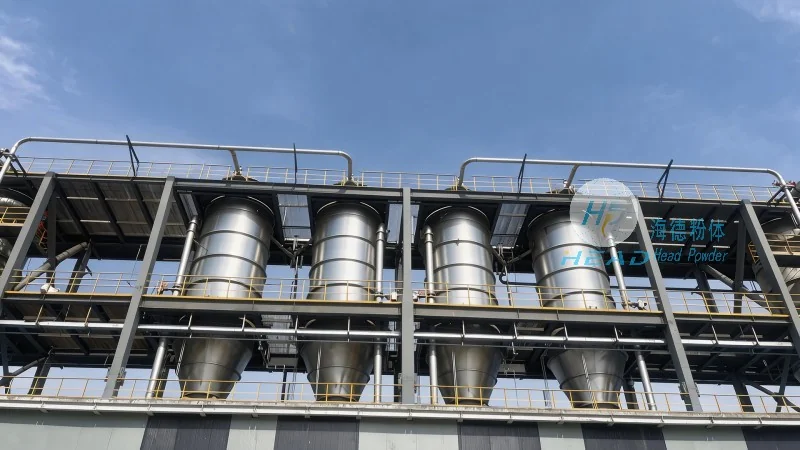
Working Principle of the Pneumatic Conveying Process
The working principle of the borax granule pneumatic conveying line is based on the use of compressed air to transport the material. The process begins with the granules being fed from the storage hopper into the feeder. The feeder then meters the material into the pipeline at a controlled rate. Simultaneously, compressed air is introduced into the pipeline, creating a flow that carries the granules forward. The air pressure and velocity are carefully managed to ensure that the granules are transported without excessive wear or degradation. The system utilizes positive pressure or negative pressure (or a combination of both) depending on the specific application and distance of the conveying line.
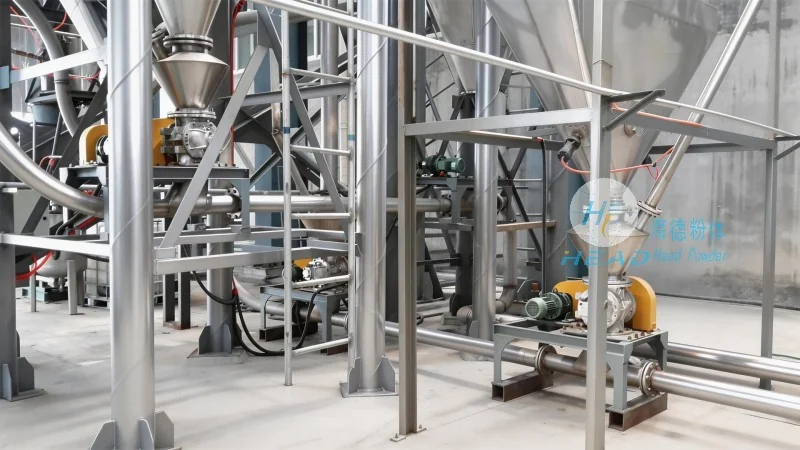
Operation Process: Step-by-Step Overview
The operation of the borax granule pneumatic conveying line follows a systematic sequence of steps to ensure efficient material transfer. The process starts with the loading of borax granules into the initial storage hopper. The rotary valve or feeder then activates, controlling the flow rate of the granules into the conveying pipeline. Compressed air is then supplied to the system, creating the necessary pressure differential to move the material. As the granules are carried through the pipeline, they are directed towards the discharge hopper at the receiving end. The system continuously monitors the flow rate and air pressure to maintain optimal performance. Any excess dust or particles are captured by the dust collector, ensuring that the air discharged is clean and compliant with environmental regulations.
Advantages of Using a Pneumatic Conveying Line for Borax Granules
Implementing a pneumatic conveying line for borax granules offers several advantages over traditional methods such as belt conveyors or bucket elevators. These include reduced labor costs due to automated operation, minimized material degradation as the granules are not subjected to mechanical friction, improved safety as there are no moving parts in direct contact with the material, and enhanced flexibility in terms of layout and distance of the conveying line. Additionally, the system can be easily integrated with other processing equipment, allowing for a seamless flow of materials in industrial settings.
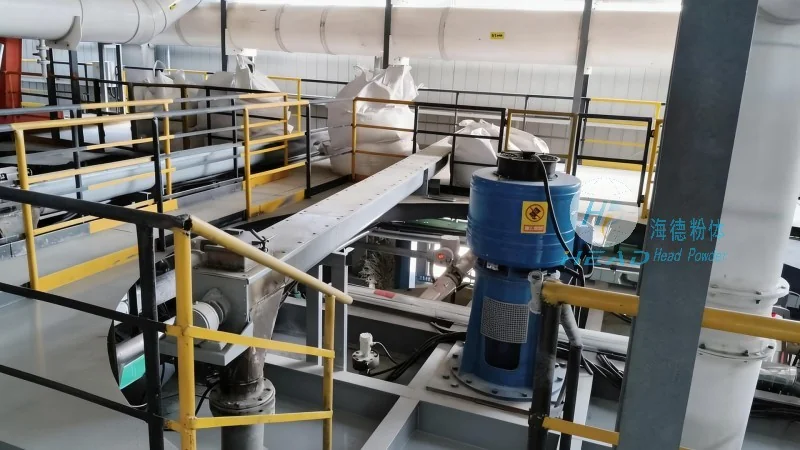
Maintenance and Operational Considerations
To ensure the long-term reliability and efficiency of the borax granule pneumatic conveying line, regular maintenance is essential. This includes checking the condition of the rotary valve and feeder, inspecting the pipeline for any blockages or wear, maintaining the air compressor and dust collector, and monitoring the air pressure and flow rates. Proper maintenance not only extends the lifespan of the equipment but also minimizes downtime and ensures consistent performance. It is also important to follow the manufacturer's guidelines for operating the system, including proper start-up and shut-down procedures, to prevent damage to the components and maintain optimal operation.