

What is a Positive Pressure Dilute Phase Pneumatic Conveying System? And What Are Its Design Princip
HeadPowder, a leading engineering company based in Shandong, China, specializes in the design and manufacturing of advanced pneumatic conveying systems. With a strong commitment to innovation and quality, the company has established itself as a trusted partner for industries seeking efficient material handling solutions.
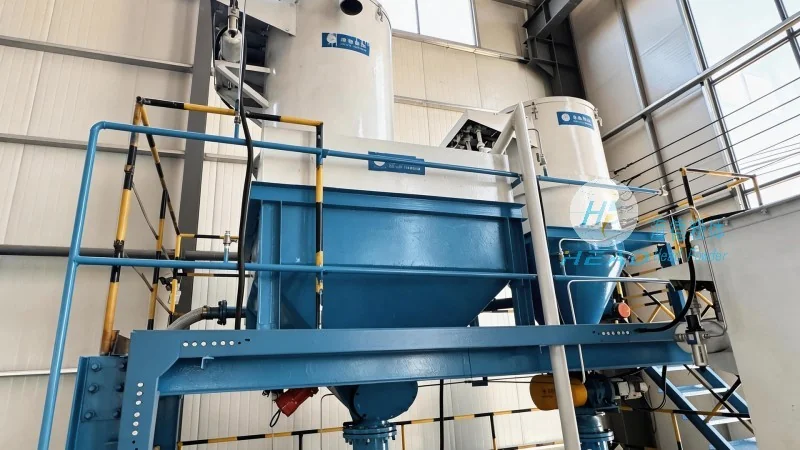
What is a Positive Pressure Dilute Phase Pneumatic Conveying System?
A positive pressure dilute phase pneumatic conveying system is a method of transporting bulk materials through a pipeline using pressurized air or gas. Unlike negative pressure systems, this type of system operates by blowing air into the pipeline, creating a positive pressure environment that pushes the material forward. The "dilute phase" refers to the relatively low concentration of material in the air stream, which allows for high-velocity flow and efficient transport over long distances. This technology is widely used in various industries, including food, pharmaceuticals, chemicals, and minerals, due to its ability to handle a wide range of materials while maintaining product integrity.
Design Principles of the System
The design of a positive pressure dilute phase pneumatic conveying system involves several key principles that ensure optimal performance and reliability. First, the system must be designed to handle the specific properties of the material being conveyed, such as particle size, density, and moisture content. This includes selecting appropriate pipeline diameters, air velocities, and pressure levels to prevent blockages and ensure smooth flow. Second, the system incorporates components like air compressors, filters, and cyclone separators to maintain air quality and prevent material buildup. The air compressor provides the necessary pressure to move the material, while filters remove contaminants from the air stream to protect equipment and maintain product purity. Cyclone separators are used to separate the material from the air at the end of the pipeline, allowing for efficient recovery and reuse of the material. Additionally, the system may include features like pressure relief valves and flow meters to monitor and control the operation, ensuring safety and efficiency.
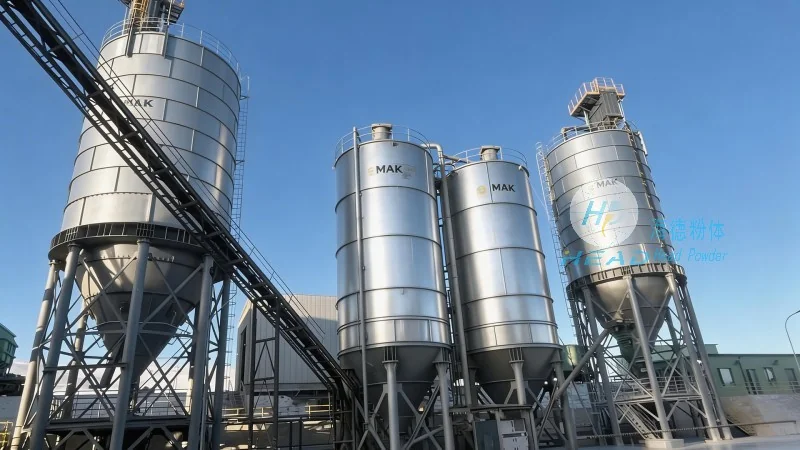
Key Design Parameters and Considerations
When designing a positive pressure dilute phase pneumatic conveying system, several critical parameters must be considered to ensure optimal performance. The first is the air velocity, which is typically maintained between 20 to 30 meters per second for most materials. This velocity is sufficient to keep the material in suspension while minimizing energy consumption. The second is the pipeline diameter, which is determined based on the material flow rate and the required air velocity. Larger diameters are used for higher flow rates, while smaller diameters are suitable for lower flow rates. The third is the pressure level, which is usually maintained between 0.5 to 2 bar, depending on the system's length and the material's properties. Higher pressures are required for longer distances or for materials with higher resistance to flow. Additionally, the system must be designed to handle the material's moisture content and particle size distribution, as these factors can affect the system's efficiency and reliability. For example, materials with high moisture content may require additional drying or conditioning before being conveyed, while materials with large particles may need to be pre-screened to prevent clogging.
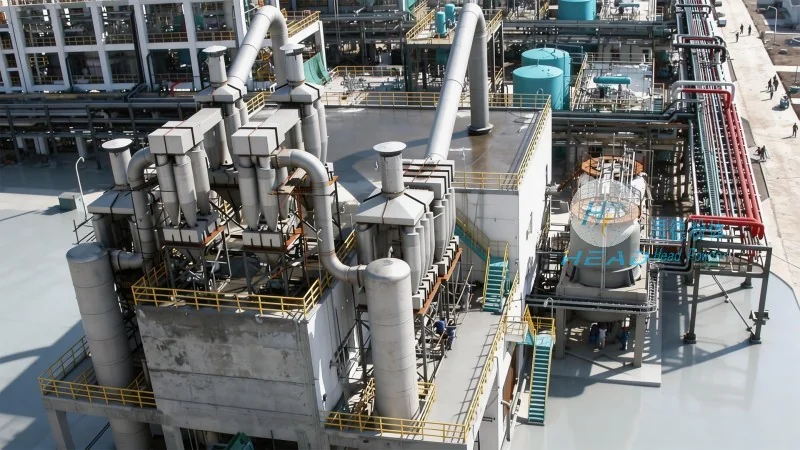
How the System Works in Practice
The operation of a positive pressure dilute phase pneumatic conveying system involves a series of steps that ensure efficient material transport. First, the material is fed into the inlet of the pipeline using a hopper or feeder. The air compressor then supplies pressurized air, which mixes with the material and propels it through the pipeline. The air velocity is carefully controlled to maintain a dilute phase, preventing the material from settling or clogging the pipeline. As the material travels through the pipeline, it may encounter bends or changes in direction, which are designed to minimize pressure loss and maintain flow efficiency. At the discharge end, a cyclone separator or other separation device captures the material from the air stream, allowing the air to be recycled or vented as needed. This design ensures that the material is delivered to its destination while maintaining the integrity of the product and minimizing energy consumption. The system is also equipped with monitoring and control devices, such as pressure gauges and flow meters, to allow operators to adjust the system parameters as needed, ensuring optimal performance and preventing downtime.
Advantages of Using a Positive Pressure Dilute Phase System
There are several advantages to using a positive pressure dilute phase pneumatic conveying system over other material handling methods. First, the system is highly efficient, as it can transport materials over long distances with minimal energy consumption. Second, the system is flexible, as it can handle a wide range of materials, including powders, granules, and bulk solids. Third, the system is hygienic and clean, as it operates in a closed pipeline, preventing contamination from the environment. Fourth, the system is reliable, as it is designed to minimize downtime and maintenance. Finally, the system is cost-effective, as it reduces labor costs and improves productivity by automating the material handling process.